Lipedema Stages Explained: What Each Phase Looks Like and What to Do
Quick answer: Lipedema stages explained simply: Stage 1 shows smooth skin with spongy fat; Stage 2 brings visible lumps and bumps; Stage 3 changes limb shape dramatically; Stage 4 adds severe mobility issues. Early recognition helps you take action sooner.
In this article
Key takeaways
- Lipedema progresses through four distinct stages, each with its own set of symptoms.
- Stage 1 is characterized by smooth but spongy fat that bruises easily.
- Stage 2 involves the development of nodular fat and noticeable unevenness.
- Stage 3 brings larger fat deposits that begin to affect limb shape.
- Stage 4, also called lipolymphedema, includes lymphatic dysfunction and swelling.
Stage 1: The Subtle Beginning of Lipedema
Stage 1 is often the hardest to recognize because the skin remains smooth and the fat feels soft and spongy. You might notice that your thighs or hips feel different than the rest of your body, and bruising may occur more easily than it used to. Many women dismiss these early signs as normal weight gain or water retention, but the pattern is distinct. The fat distribution is symmetrical, affecting both legs equally, and it may feel tender to the touch. At this point, the condition is highly manageable with lifestyle adjustments and supportive therapies. The focus should be on gentle movement, anti-inflammatory nutrition, and tools that promote circulation. For more detail on how lipedema differs from common concerns, check out Cellulite vs Lipedema: The Touch Test & How to Tell the Difference. Early detection gives you a powerful head start in slowing progression and reducing discomfort before it advances further.
The <strong>Infrared Sauna Blanket 2.0 | PREMIUM</strong> delivers deep, soothing heat that supports circulation and helps ease the discomfort associated with lipedema. It is a gentle, at-home way to promote relaxation and support your body’s natural detoxification processes.

Stage 2: When Lumps and Unevenness Appear
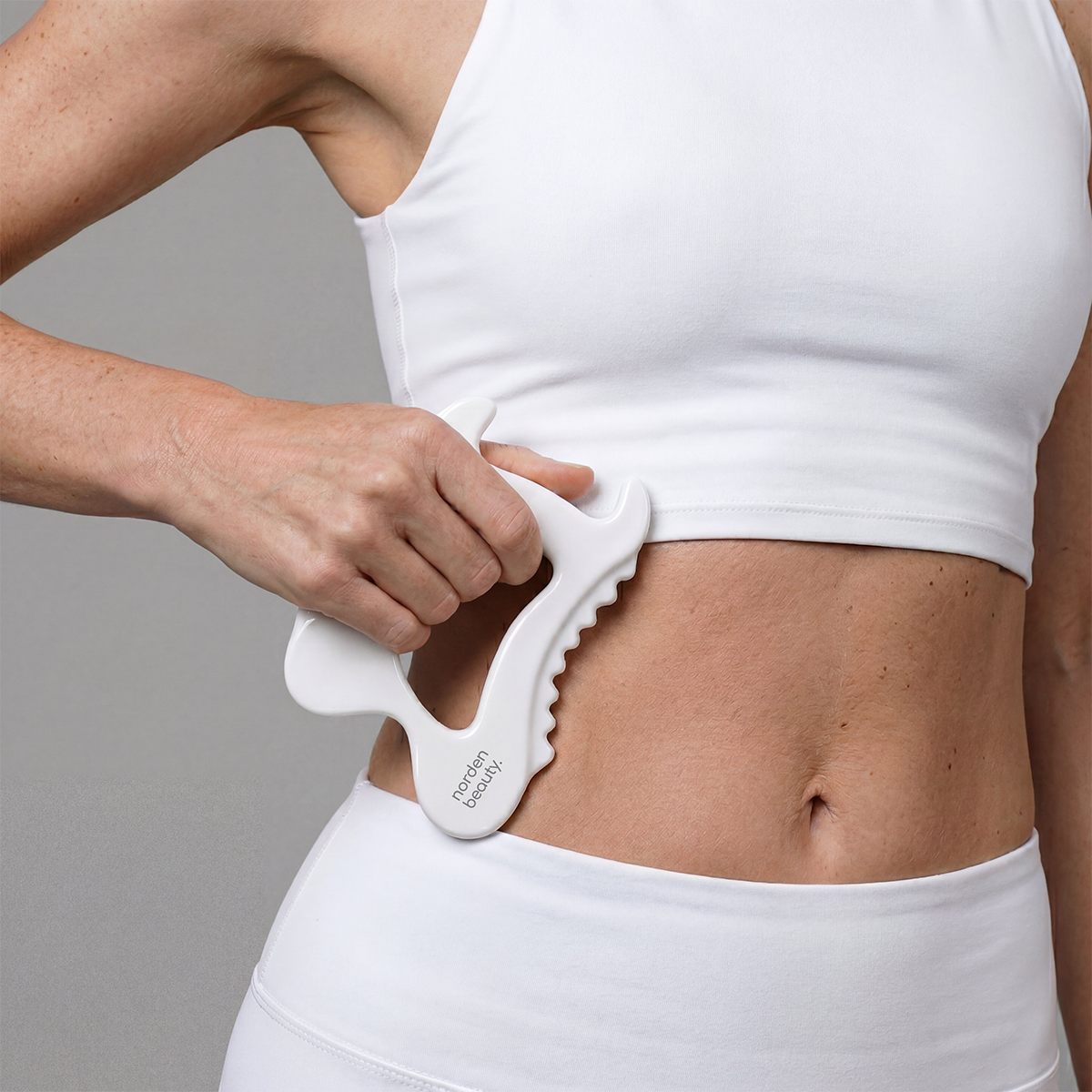
By stage 2, the fat tissue becomes nodular, meaning you can feel small lumps under the skin. The surface texture changes too, with visible dimpling and unevenness that makes the skin look similar to cottage cheese. This is where lipedema becomes harder to ignore, as the legs may begin to feel heavy and achy by the end of the day. The fat deposits become more painful when pressed, and the disproportion between your upper and lower body becomes more apparent. Many women find that standard exercise or diet changes have little effect on these areas. Body contouring tools like the Ceramic Body Gua Sha for Lymphatic Drainage can be helpful for manually stimulating fluid movement and easing local discomfort. Incorporating gentle, consistent self-care routines at this stage can make a real difference in how you feel day to day.
Featured Product
Infrared Sauna Blanket 2.0 | PREMIUM
The <strong>Infrared Sauna Blanket 2.0 | PREMIUM</strong> delivers deep, soothing heat that supports circulation and helps ease the discomfort associated with lipedema. It is a gentle, at-home way to promote relaxation and support your body’s natural detoxification processes.
Stage 3: Larger Fat Deposits and Structural Changes
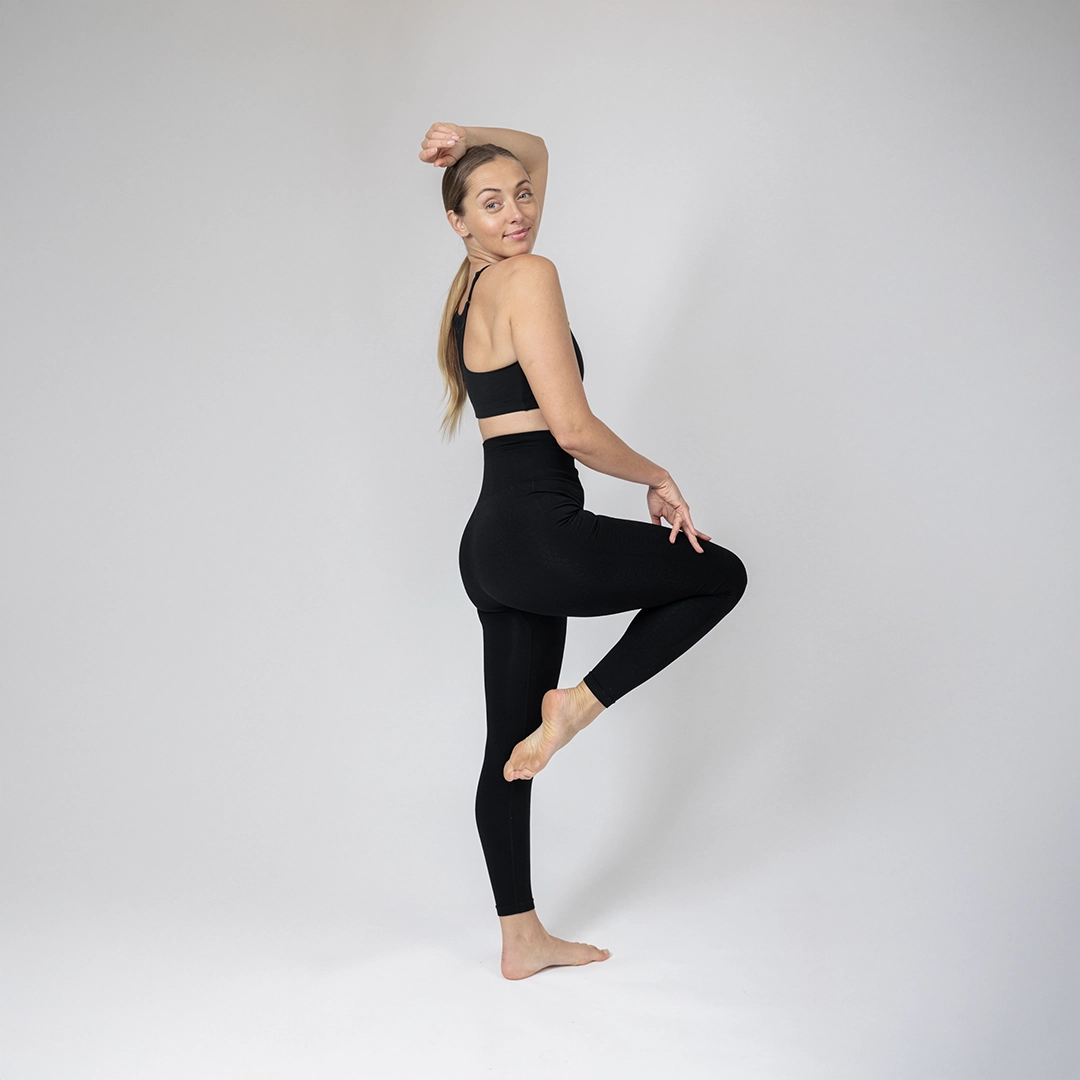
Stage 3 brings more pronounced changes to the shape of your legs and sometimes arms. Fat deposits become larger and begin to distort the natural contour of the limbs, creating folds or overhangs of tissue. The skin may become less elastic, and walking or standing for long periods can feel more taxing. Pain and tenderness increase, and the heaviness in your legs can affect your daily activities and energy levels. This stage requires a comprehensive approach that includes both medical management and supportive home care. Light compression garments like the Anti-Cellulite Leggings can provide gentle support and improve comfort during movement. If you are wondering about the nature of the pain itself, you can read more in Does Lipedema Cause Pain? Understanding the Complex Reality. Staying proactive with your routine helps maintain mobility and quality of life even as the condition progresses.
Stage 4: Lipolymphedema and the Role of Supportive Care
Stage 4, also known as lipolymphedema, is when lymphatic fluid begins to accumulate alongside the fat deposits, leading to noticeable swelling in the feet and ankles. This swelling can make it even harder to move and may cause the skin to feel tight or stretched. Managing fluid retention becomes a primary focus at this stage, alongside pain control and preserving function. While stage 4 is the most advanced form of lipedema, there are still effective ways to support your body and reduce discomfort. Gentle heat therapy, such as using an infrared sauna blanket, can encourage circulation and help the lymphatic system work more efficiently. Many women also benefit from manual lymphatic drainage techniques and consistent, low-impact movement. Lipedema stages explained properly gives you the knowledge to tailor your self-care to your current needs, no matter how advanced the condition is. Working with a specialist who understands lipedema is also highly recommended to explore all available options. For a deeper dive into related research, you can explore this resource from the Lipedema Foundation.
Myths vs Facts
Myth
Lipedema is just obesity and will go away with dieting.
Fact
Lipedema fat is resistant to diet and exercise because it is a distinct condition involving abnormal fat distribution and inflammation. Weight loss may reduce overall body fat but rarely affects lipedema deposits significantly.
Myth
Only overweight women get lipedema.
Fact
Lipedema can affect women of all body sizes, including those who are slim. The hallmark is disproportionate fat accumulation in the legs and arms, not total body weight.
Myth
Lipedema is rare and hard to treat.
Fact
Lipedema is estimated to affect up to 11% of women worldwide. While there is no cure, many treatments and supportive strategies exist to manage symptoms and improve quality of life.
Frequently Asked Questions
What are the four stages of lipedema?
Can lipedema stages be reversed?
Is lipedema painful in every stage?
How is lipedema diagnosed?
Understanding the stages of lipedema is the first step toward feeling more in control of your body and your comfort. Whether you are just noticing early signs or have been managing this condition for years, knowing what to expect at each stage helps you make informed decisions about your self-care routine. The journey is different for every woman, but small, consistent actions add up over time.
Be patient with your progress and kind to yourself along the way. Tools like the Infrared Sauna Blanket 2.0 | PREMIUM can provide gentle support for circulation and relaxation, but they work best as part of a broader approach that includes balanced nutrition, gentle movement, and proper compression. Your body is doing its best, and you are doing your best too.