
The Best Cavitation and RF Device for Home Use: Your Cellulite Guide
In this article
- What Is Cellulite — And Can You Actually Reduce It at Home?
- What Does Cellulite Look Like on Your Body?
- Signs You Might Be Dealing With Stubborn Cellulite
- How Cavitation and RF Technology Work Together
- Myths vs Facts About At-Home Cavitation and RF Devices
- Common Mistakes When Using At-Home Body Contouring Devices
- Who Should (and Shouldn’t) Use an At-Home Cavitation Device
- Step-by-Step: How to Use LipoSculpt Pro at Home
- When to Seek Professional Advice
- Frequently Asked Questions
Key takeaways
- Cellulite affects up to 90% of women at some point — it is a structural skin concern, not simply a weight issue.
- Ultrasonic cavitation may help break down subcutaneous fat cells, while radiofrequency skin firming can support collagen stimulation for smoother-looking skin.
- The best cavitation and RF device for home use combines both technologies in one tool for a streamlined body sculpting routine.
- Consistent use over several weeks — paired with hydration and movement — tends to deliver the most noticeable results.
- At-home devices are not suitable for everyone; always consult a healthcare provider if you have underlying medical conditions.
What Is Cellulite — And Can You Actually Reduce It at Home?
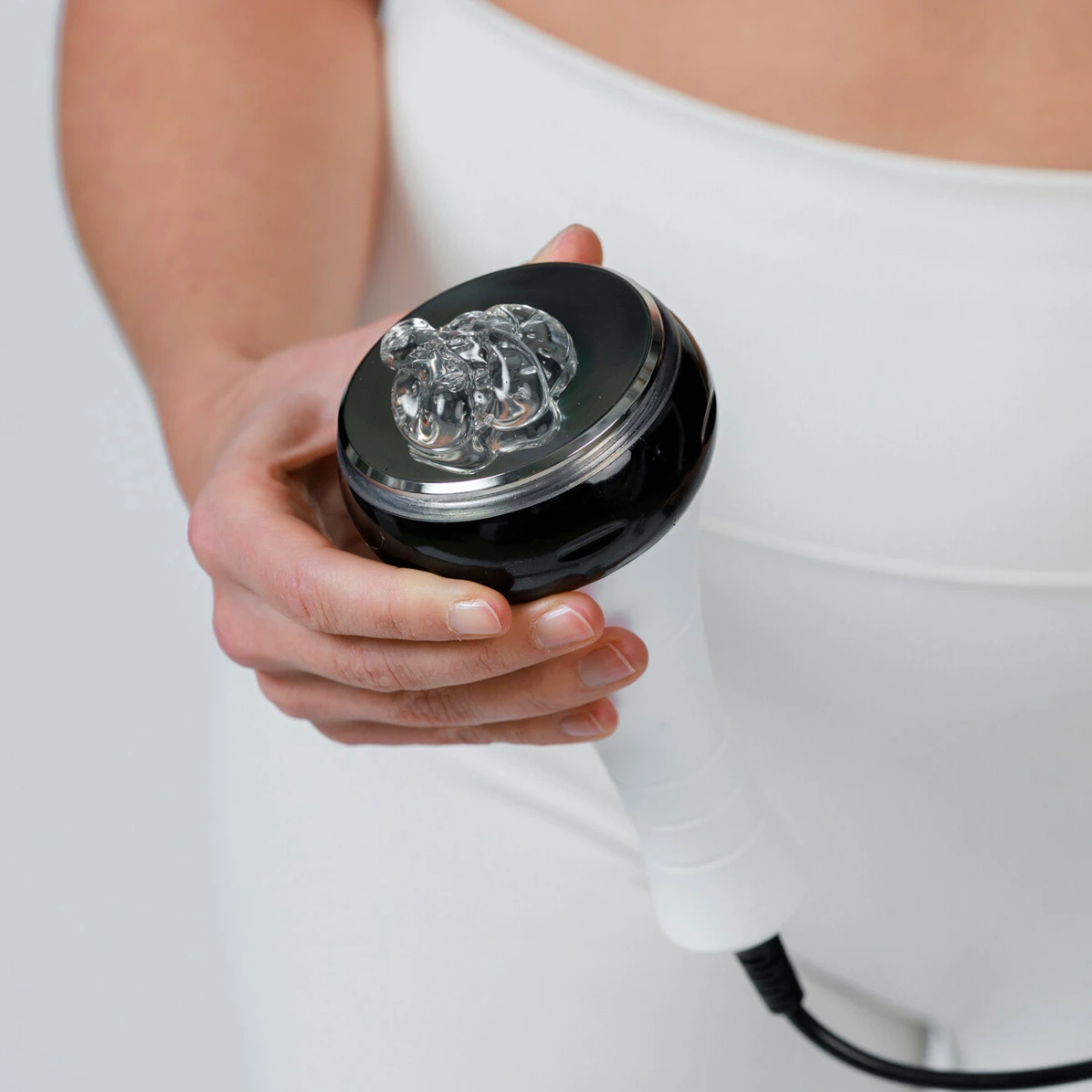
If you have noticed dimpled, uneven skin on your thighs, hips, or abdomen, you are far from alone. Cellulite affects up to 90% of women at some point in their lives, and finding an effective approach can feel overwhelming. Many women are now turning to the best cavitation and RF device for home use as a practical way to address the look of cellulite without scheduling salon appointments. The LipoSculpt Pro Ultrasonic Cavitation Device + RF combines ultrasonic cavitation and radiofrequency skin firming in a single, easy-to-use tool designed for at-home body contouring. Individual results vary; this is for informational purposes only.
Cellulite forms when subcutaneous fat pushes through the fibrous bands beneath your skin, creating that characteristic dimpled texture. It is not a sign of poor health or fitness — it is simply how your connective tissue and fat cells interact beneath the surface. Understanding this distinction matters, because it shifts the conversation from frustration to informed action.
What Does Cellulite Look Like on Your Body?
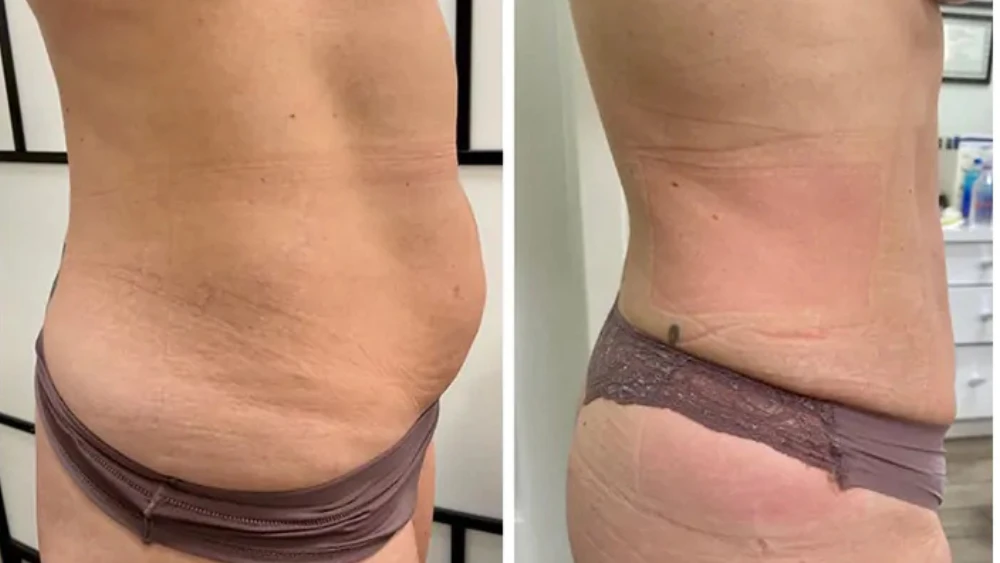
Cellulite shows up differently depending on your skin type, genetics, and where it appears. For some, it is a subtle orange-peel texture visible only when you pinch the skin. For others, it presents as deeper dimples or wave-like ridges that are noticeable even while standing relaxed.
The most common areas include the backs of the thighs, buttocks, and lower abdomen. Hormonal changes, reduced collagen production, and decreased lymphatic drainage can all make cellulite more visible over time. Recognizing how it appears on your body is the first step toward choosing a realistic approach to skin tightening and smoothing.
Signs You Might Be Dealing With Stubborn Cellulite
Not all cellulite is the same. Here are a few signs that yours may benefit from a targeted at-home body contouring approach:
- Visible dimpling when standing — not just when sitting or crossing your legs.
- Skin feels less firm than it used to, especially around the thighs and upper arms.
- Texture changes that have not responded to diet and exercise alone.
- Areas of laxity after weight loss where the skin has not fully snapped back.
- Worsening appearance during hormonal shifts such as perimenopause.
If more than two of these sound familiar, a skin tightening device that combines ultrasonic cavitation with radiofrequency may be worth exploring as part of your routine.
How Cavitation and RF Technology Work Together
Understanding the science behind these two technologies helps you set realistic expectations. They target cellulite from different angles, which is why combining them in a single body sculpting routine can be more effective than using either alone.
Ultrasonic Cavitation: Targeting Fat Cells Beneath the Surface
Ultrasonic cavitation uses low-frequency sound waves to create tiny pressure bubbles in the fluid surrounding subcutaneous fat cells. As these bubbles expand and contract, they gently disrupt the fat cell membranes. The released contents are then processed through your body’s natural lymphatic drainage pathways over the following days.
This process does not destroy surrounding tissue. Studies suggest cavitation may help reduce the appearance of localized fat deposits when used consistently over time. It is a gradual process — not an overnight fix.
Radiofrequency (RF): Firming and Tightening Skin
While cavitation addresses the fat layer, radiofrequency skin firming works on the skin itself. RF energy delivers controlled heat to the deeper layers of your skin, triggering a natural wound-healing response that stimulates collagen and elastin production.
Over weeks of consistent use, this collagen stimulation may help your skin look firmer and smoother. For cellulite specifically, RF can address the skin laxity that often accompanies dimpling — tackling the concern from the surface rather than just beneath it.
Why a Combined Device Makes Sense for Home Use
Using ultrasonic cavitation and RF separately means double the time and double the effort. A combined device like the LipoSculpt Pro streamlines your body sculpting routine into one session. You target subcutaneous fat with cavitation, then follow up with RF for skin tightening — all in a single at-home treatment.
Featured Device
LipoSculpt Pro Ultrasonic Cavitation Device + RF
This dual-technology device may help smooth the look of cellulite and support firmer skin with regular use. Pair it with a conductive gel for optimal results during each session.
Myths vs Facts About At-Home Cavitation and RF Devices
There is a lot of noise around at-home body contouring. Let us clear up the most common misconceptions — especially if you are searching for the best cavitation and RF device for home use and want to make an informed decision.
❌ Myth
At-home cavitation devices do not work at all.
✅ Fact
While home devices operate at lower energy levels than clinical machines, studies suggest they can still deliver visible improvements in skin texture and firmness with consistent, long-term use.
❌ Myth
You will see results after a single session.
✅ Fact
Reducing cellulite is a gradual process. Most users notice changes after several weeks of regular use, as the body needs time to process disrupted fat cells and produce new collagen.
❌ Myth
Cavitation and RF treatments are painful and dangerous.
✅ Fact
When used as directed, at-home devices are generally well tolerated. You may feel gentle warmth from RF and a subtle buzzing sensation from cavitation, but neither should be painful.
❌ Myth
You can skip the conductive gel — it does not matter.
✅ Fact
Conductive gel is essential. It helps the ultrasonic waves travel efficiently and protects your skin from friction. Skipping it can reduce effectiveness and cause irritation.
Common Mistakes When Using At-Home Body Contouring Devices
Even the best cavitation and RF device for home use will not deliver results if it is not used correctly. Here are the mistakes that hold most people back:
- Skipping the conductive gel. This is not optional. The gel creates the medium through which ultrasonic energy travels into the skin. Without it, you are essentially gliding a device over dry skin with minimal effect.
- Rushing through sessions. Each treatment area needs adequate time — typically 15 to 20 minutes. Moving the device too quickly does not give the technology enough contact time to work.
- Being inconsistent. Using your device once and forgetting about it for two weeks will not produce results. A regular body sculpting routine — two to three sessions per week — is key.
- Not drinking enough water. Hydration supports your lymphatic drainage system, which processes the contents of disrupted fat cells. Aim for plenty of water on treatment days.
- Expecting overnight results. At-home body contouring is a commitment. Setting a realistic timeline of six to eight weeks helps you stay motivated and track gradual changes.
Who Should (and Shouldn’t) Use an At-Home Cavitation Device
At-home ultrasonic cavitation and RF devices are generally designed for healthy adults looking to reduce cellulite and improve skin firmness. However, they are not appropriate for everyone.
You should avoid using a cavitation device if you:
- Are pregnant or breastfeeding.
- Have a pacemaker or other implanted electronic device.
- Have liver or kidney disease.
- Have metal implants in the treatment area.
- Have active skin conditions, open wounds, or infections near the treatment zone.
If you have any chronic health condition, consult your healthcare provider before starting an at-home body contouring routine. When in doubt, professional guidance always takes priority.
Step-by-Step: How to Use LipoSculpt Pro at Home
Ready to get started? Here is a straightforward protocol for using the LipoSculpt Pro Ultrasonic Cavitation Device + RF as part of your at-home body sculpting routine.
Step 1: Prepare Your Skin
Clean the treatment area thoroughly and pat dry. Remove any lotions, oils, or residue that could interfere with the device’s contact with your skin.
Step 2: Apply Conductive Gel
Apply a generous layer of conductive gel to the area you plan to treat. Do not be stingy — full coverage ensures the ultrasonic waves transmit evenly.
Step 3: Select Cavitation Mode
Turn on the device and select the ultrasonic cavitation setting. Hold the treatment head flat against your skin and move it in slow, circular motions.
Step 4: Treat Each Area for 15–20 Minutes
Divide your target zones — thighs, abdomen, upper arms — and spend 15 to 20 minutes per area. Keep the device moving; do not hold it stationary on one spot.
Step 5: Switch to RF Mode
After cavitation, switch to the radiofrequency skin firming setting. Apply additional gel if needed. Glide the device over the same areas to deliver collagen-stimulating heat to the deeper skin layers.
Step 6: Massage and Clean Up
Gently massage the treated area for one to two minutes to support lymphatic drainage. Wipe away excess gel with a damp cloth.
Step 7: Hydrate
Drink a full glass of water after every session. Staying hydrated helps your body process the subcutaneous fat released during cavitation.
Repeat this routine two to three times per week for best results. Most users begin to notice smoother skin texture after four to six weeks of consistent use.
When to Seek Professional Advice
At-home devices can be a valuable part of your skincare routine, but they have limits. Consider consulting a dermatologist or licensed aesthetician if:
- You have been using your device consistently for eight or more weeks with no visible change.
- You experience any unusual redness, swelling, or discomfort after treatment.
- Your cellulite has worsened suddenly or is accompanied by pain.
- You have a medical condition that may affect how your skin responds to heat or ultrasound energy.
A professional can help you determine whether a clinical treatment, a different approach, or a combination strategy would better suit your needs.
Frequently Asked Questions
Does the best cavitation and RF device for home use actually work?
Yes, many users report visible improvements in skin texture and firmness after several weeks of consistent use. While at-home devices are less powerful than clinical machines, the best cavitation and RF device for home use combines both technologies to target cellulite from multiple angles. Results depend on your body type, lifestyle, and commitment to a regular routine.
How long does it take to see results from at-home cavitation?
Most people begin noticing subtle changes in skin smoothness after four to six weeks of regular use. More visible reductions in the appearance of cellulite typically appear around the eight-week mark. Consistency — two to three sessions per week — is the most important factor in achieving results.
How often should I use a cavitation and RF device at home?
Aim for two to three sessions per week, with at least 48 hours between treatments on the same area. This gives your body time to process disrupted fat cells through natural lymphatic drainage. Overusing the device will not speed up results and may irritate your skin.
Who is an at-home cavitation device suitable for?
At-home cavitation and RF devices are generally suitable for healthy adults who want to reduce cellulite and improve skin firmness. They are not recommended for pregnant women, people with pacemakers, or those with certain medical conditions. Always consult a healthcare provider if you are unsure.
Can at-home RF skin tightening replace professional treatments?
At-home RF devices can complement a professional treatment plan and help maintain results between appointments. However, they typically operate at lower energy levels than clinical machines. For advanced concerns, professional radiofrequency skin firming sessions may be more appropriate.
Taking control of the look of cellulite does not require a complete lifestyle overhaul. With the right tools, a consistent body sculpting routine, and realistic expectations, you can make meaningful progress from the comfort of your home.
The key is patience. With consistent use over several weeks, technologies like ultrasonic cavitation and radiofrequency skin firming may help you notice smoother, firmer-looking skin. Pair your treatments with hydration, gentle movement, and a balanced diet for the best possible foundation.
Explore the LipoSculpt Pro Ultrasonic Cavitation Device + RF →
You Might Also Like
LipoSculpt Pro Ultrasonic Cavitation Device + RF
ShapePro 3.0
Infrared for Belly and Thighs Combo
Results may vary. This article is for informational purposes only.
This article is for informational purposes only and does not replace professional medical advice. Individual results vary. Always consult a healthcare provider before beginning any new body-care routine.