
SEO draft: cavitation vs rf what is the difference
In this article
- Cavitation vs RF: What Is the Difference?
- Before and After: What Realistic Results Look Like
- Signs You Might Be Dealing with Cellulite
- How Cavitation and RF Work Together
- Myths vs Facts
- Common Mistakes to Avoid
- Who Should (and Shouldn’t) Use This Device
- Step-by-Step: How to Use the LipoSculpt Pro
- When to Seek Professional Advice
- Frequently Asked Questions
Key takeaways
- Cavitation targets subcutaneous fat cells using ultrasonic waves, while radiofrequency focuses on collagen stimulation and skin tightening.
- Combining both technologies in one at-home body contouring session may deliver more comprehensive results than either alone.
- Consistent use over several weeks, paired with hydration and movement, can support smoother-looking skin.
- Results vary by individual — patience and realistic expectations matter.
- Always patch-test and consult a professional if you have underlying health conditions.
Cavitation vs RF: What Is the Difference?
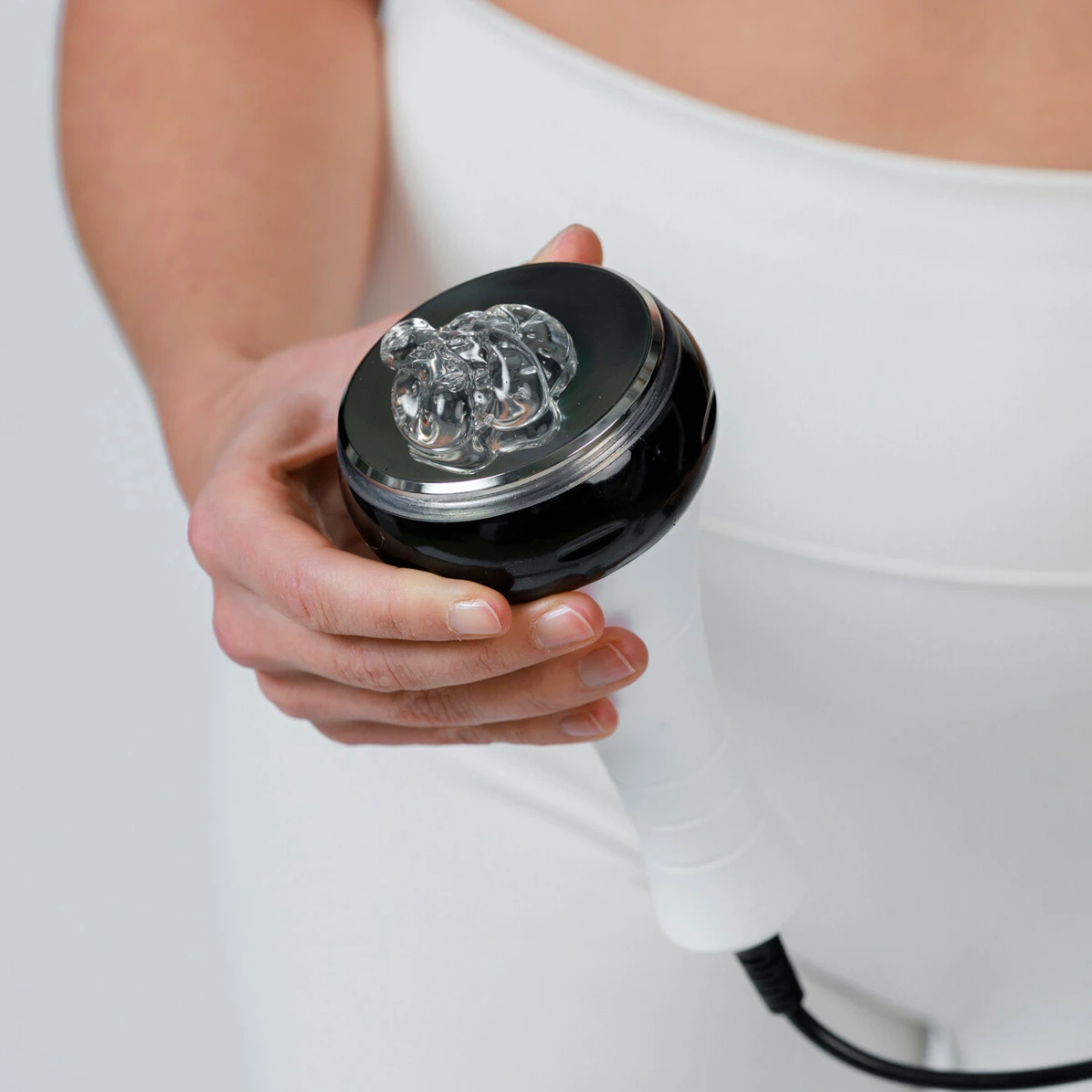
If you’ve been researching ways to improve the appearance of cellulite at home, you’ve likely come across two technologies: ultrasonic cavitation and radiofrequency (RF). So, cavitation vs RF — what is the difference, and which one is right for your body goals? In short, cavitation targets subcutaneous fat cells using sound waves, while RF focuses on skin tightening through heat-based collagen stimulation. Many at-home body contouring devices now combine both, letting you address texture and firmness in a single session. One popular option is the LipoSculpt Pro Ultrasonic Cavitation Device + RF, which pairs these technologies in a single handheld tool. Individual results vary; this guide is for informational purposes only.
Before and After: What Realistic Results Look Like
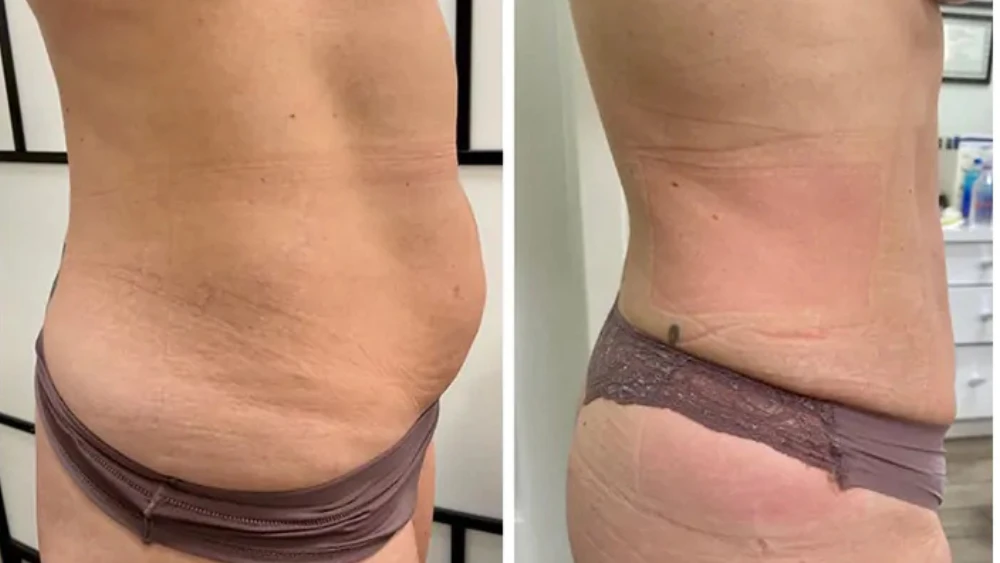
Before-and-after photos can be motivating, but context matters. Most visible changes from at-home body contouring appear gradually over four to eight weeks of consistent use. You may notice smoother skin texture, a firmer feel, and a subtle reduction in the dimpled appearance associated with cellulite. These outcomes depend on factors like your skin type, lifestyle habits, and how faithfully you follow your body sculpting routine. A skin tightening device like the LipoSculpt Pro may support these changes, but it works best alongside healthy nutrition, regular movement, and proper hydration. Think of it as one tool in a broader self-care approach — not a standalone solution.
Signs You Might Be Dealing with Cellulite
Cellulite is incredibly common — up to 90% of women experience it at some point. Recognising the signs can help you choose the right approach. You might be dealing with cellulite if you notice:
- Dimpled or uneven skin texture on thighs, buttocks, or abdomen
- A “cottage cheese” or “orange peel” appearance when you pinch the skin
- Areas that feel slightly lumpy to the touch, even when relaxed
- Changes that become more visible with age, hormonal shifts, or reduced activity
- Persistent texture that doesn’t fully respond to diet or exercise alone
These signs are completely normal and do not indicate a health problem. But if smoother-looking skin is a personal goal, understanding what’s happening beneath the surface is the first step.
How Cavitation and RF Work Together
Understanding cavitation vs RF — what is the difference in how they actually work — starts beneath the skin’s surface. Each technology targets a different layer, which is why combining them can be so effective.
Ultrasonic Cavitation
Ultrasonic cavitation uses low-frequency sound waves to create tiny pressure bubbles in the fluid surrounding fat cells. When these bubbles collapse, they generate a micro-impact that may help break down the membranes of subcutaneous fat cells. The released contents — fatty acids and glycerol — are then processed by your body’s lymphatic drainage system over the following days. This process is sometimes called non-invasive fat reduction because it doesn’t involve needles, surgery, or downtime. For best results, adequate hydration before and after treatment is essential, as water supports the body’s natural elimination pathways.
Radiofrequency (RF)
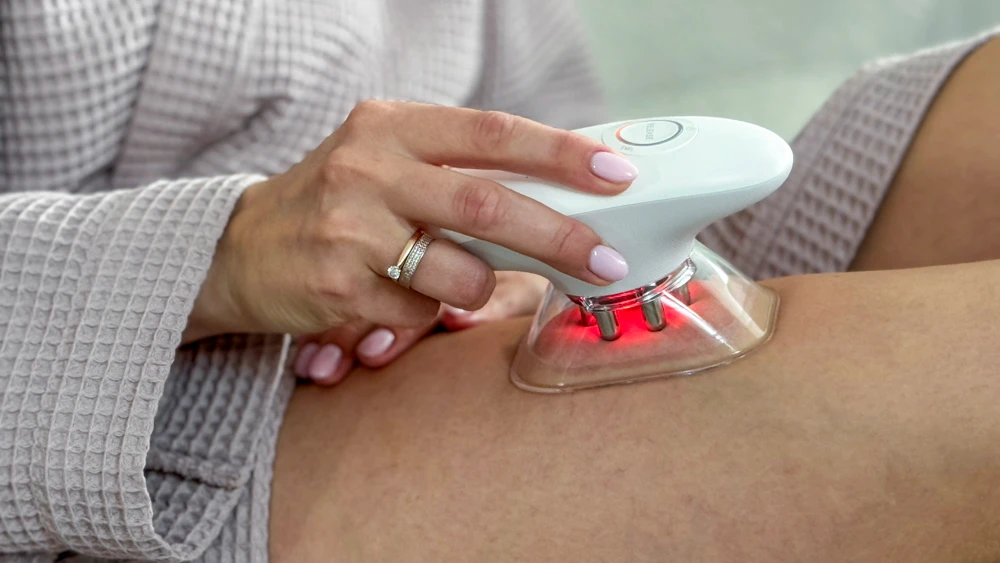
While cavitation works on fat, radiofrequency skin firming targets the skin itself. RF energy heats the deeper layers of the dermis, triggering a wound-healing response that stimulates new collagen and elastin production. Over time, this can lead to firmer, smoother-looking skin. RF is widely used in professional clinics and has been adapted for safe at-home use in devices like the LipoSculpt Pro. The warmth you feel during treatment is a sign the energy is reaching the right depth for collagen stimulation.
Featured Device
LipoSculpt Pro Ultrasonic Cavitation Device + RF
This device combines ultrasonic cavitation and radiofrequency in one tool, so you can target stubborn fat deposits and support skin firmness in a single at-home session. It may help streamline your body sculpting routine without the need for separate devices.
Myths vs Facts
There’s a lot of noise online about at-home body contouring. Let’s separate what’s true from what’s not — especially when it comes to cavitation vs RF — what is the difference between marketing hype and reality.
Myth
“Cavitation and RF do the same thing.”
Fact
They target different layers. Cavitation works on subcutaneous fat cells, while RF focuses on collagen stimulation and skin tightening at the dermal level.
Myth
“You’ll see results after one session.”
Fact
Visible changes typically require consistent use over several weeks. Most people notice improvements after 6–10 sessions when following a regular body sculpting routine.
Myth
“At-home devices are just as strong as clinical machines.”
Fact
Home devices operate at lower, safer energy levels. They can support gradual improvement but won’t replicate the intensity of in-office treatments.
Myth
“You have to choose between cavitation or RF.”
Fact
Combining both may be more effective. Cavitation helps reduce the volume of fat cells while RF firms the surrounding skin — they complement each other.
Common Mistakes to Avoid
Even the best skin tightening device won’t deliver results if it’s used incorrectly. Here are the most common mistakes people make with at-home cavitation and RF treatments:
- Skipping the conductive gel. Ultrasonic cavitation needs a medium to transmit sound waves effectively. Without gel, the energy can’t penetrate properly and you risk skin irritation.
- Expecting overnight transformation. Body contouring is a gradual process. Commit to a consistent schedule for at least six weeks before evaluating results.
- Overusing the device. More sessions don’t mean faster results. Your body needs time to process the cellular debris released during cavitation. Two to three sessions per week is sufficient.
- Neglecting hydration. Water supports lymphatic drainage, which is essential for clearing the byproducts of broken-down fat cells. Aim for at least two litres daily on treatment days.
- Treating over broken skin or active inflammation. Always check the treatment area before each session. Wait until any irritation has fully resolved.
Who Should (and Shouldn’t) Use This Device
At-home body contouring isn’t for everyone. Being honest about suitability helps you get the best results safely.
You may be a good candidate if:
- You have mild to moderate cellulite and want to improve skin texture
- You maintain a generally healthy lifestyle and want to complement your efforts
- You’re looking for a non-invasive alternative to clinical treatments
- You can commit to a consistent body sculpting routine over several weeks
You should avoid this device if:
- You are pregnant or breastfeeding
- You have a pacemaker or metal implants in the treatment area
- You have severe varicose veins or active skin conditions where you plan to treat
- You have a history of cancer or are currently undergoing treatment
When in doubt, consult a healthcare professional before starting any new at-home treatment. This is especially important if you take medication or have an underlying health condition.
Step-by-Step: How to Use the LipoSculpt Pro
Ready to start? Here’s a straightforward protocol for using the LipoSculpt Pro Ultrasonic Cavitation Device + RF at home.
Step 1: Prepare your skin
Clean the treatment area and apply a generous layer of conductive gel. This is non-negotiable — the gel allows ultrasonic waves to travel into the tissue and prevents surface friction. Use the gel that comes with your device or a water-based ultrasound gel.
Step 2: Cavitation mode
Turn on the ultrasonic cavitation function. Move the device in slow, circular motions over the target area — thighs, abdomen, or buttocks. Spend about 10–15 minutes per zone. Keep the device flat against the skin and avoid pressing too hard; the sound waves do the work.
Step 3: RF mode
Switch to radiofrequency skin firming. Glide the device in upward, sweeping motions across the same area. The gentle warmth you feel indicates collagen stimulation in the deeper skin layers. Spend 8–12 minutes per zone.
Step 4: Aftercare
Wipe away excess gel and apply a hydrating moisturiser. Drink plenty of water over the next 24–48 hours to support lymphatic drainage and help your body process the released cellular contents.
Step 5: Repeat consistently
Use the device two to three times per week, allowing at least 48 hours between sessions. Most users report noticeable changes after four to six weeks of consistent use.
When to Seek Professional Advice
At-home body contouring can be a valuable part of your self-care routine, but it has limits. If you’re dealing with severe cellulite, significant skin laxity, or concerns that affect your confidence in ways that feel overwhelming, a dermatologist or aesthetician can help you explore additional options.
Professional treatments like clinical-grade RF, laser therapy, or subcision may offer more dramatic results for advanced cases. Think of your at-home device as a maintenance tool — one that supports smoother-looking skin between professional visits or as a standalone approach for mild concerns.
Also seek medical advice if you experience any unusual reactions during or after treatment, such as prolonged redness, swelling, or discomfort. Safety always comes first.
Frequently Asked Questions
Does ultrasonic cavitation and RF really work for cellulite?
Studies suggest that both ultrasonic cavitation and radiofrequency can improve the appearance of cellulite when used consistently. Cavitation may help break down subcutaneous fat cells, while RF supports collagen stimulation and skin tightening. Results vary by individual and work best alongside a healthy lifestyle.
How long does it take to see results?
Most people notice visible changes after four to six weeks of consistent use, typically two to three sessions per week. Factors like hydration, diet, and skin type can influence how quickly you see improvement. Patience and a steady body sculpting routine are key.
How often should I use the device?
Two to three times per week is the recommended frequency. Allow at least 48 hours between sessions to give your lymphatic drainage system time to process the byproducts of treatment. Overusing the device will not speed up results and may cause skin sensitivity.
What is the difference between cavitation and RF for body contouring?
When people ask cavitation vs RF — what is the difference — the answer comes down to their targets. Cavitation uses sound waves to address subcutaneous fat, while radiofrequency heats deeper skin layers to trigger collagen production and firming. The LipoSculpt Pro combines both, so you don’t have to choose.
Final Thoughts
Understanding cavitation vs RF — what is the difference — empowers you to make informed decisions about your body care routine. Cavitation addresses fat at the cellular level, while RF focuses on firming and tightening from within. Together, they offer a well-rounded approach to reducing the look of cellulite without invasive procedures.
With consistent use over several weeks, a device like the LipoSculpt Pro may help you feel more confident in your skin. Set realistic expectations, stay hydrated, and give your body the time it needs to respond. Small, steady steps lead to meaningful change.
Explore the LipoSculpt Pro Ultrasonic Cavitation Device + RF →
This article is for informational purposes only and does not replace professional medical advice. Individual results vary. Always consult a healthcare provider before beginning any new body-care routine.
You Might Also Like
LipoSculpt Pro Ultrasonic Cavitation Device + RF
ShapePro 3.0
ProKit
Results may vary. This article is for informational purposes only.