Glass Foot File vs Pumice Stone: Which Is Better for Your Feet?
Quick answer: For most people, a glass foot file is better than a pumice stone because it is gentler on the skin, more hygienic, and lasts longer. However, if you prefer a more aggressive exfoliation for very thick calluses, a pumice stone might work, but it requires more care.
In this article
Key takeaways
- Glass foot files are more hygienic because they are non-porous and easy to clean.
- Pumice stones can be too harsh for regular use, especially on sensitive skin.
- A glass foot file offers consistent exfoliation without causing micro-tears.
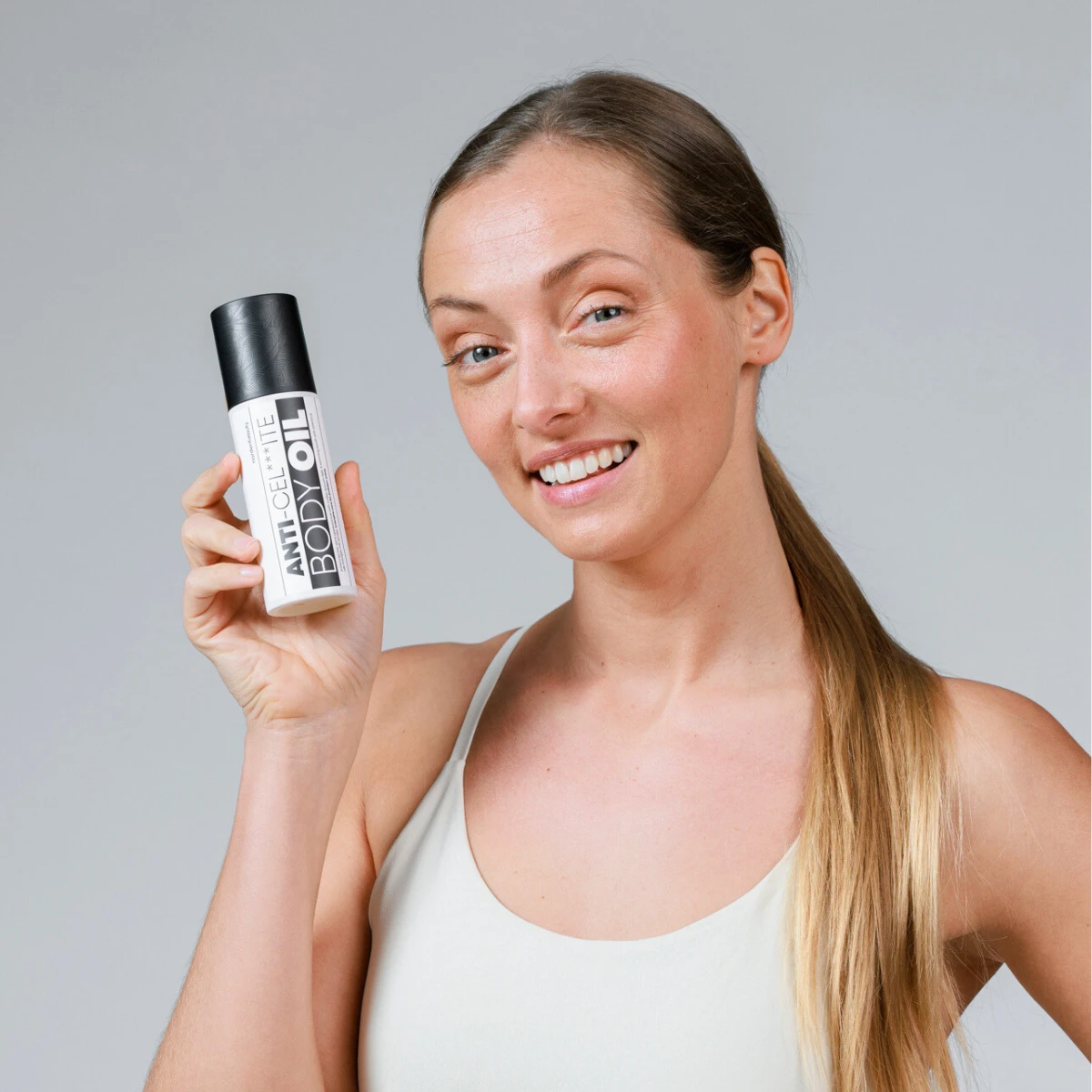
- For best results, pair your foot file with a nourishing oil like Anti Cellulite Oil.
- Both tools have their place, but glass files win on longevity and comfort.
Key Differences Between Glass Foot Files and Pumice Stones
Understanding the core differences helps you decide which tool fits your routine. A glass foot file uses a finely etched surface to gently buff away dead skin without tearing healthy tissue. In contrast, a pumice stone is a porous volcanic rock that physically abrades the skin. This means the glass file is generally more comfortable for regular use, while pumice can be too harsh if you press too hard.
Another major difference is hygiene. Glass is non-porous, so it does not trap moisture or bacteria. You can simply rinse it and it is ready for the next use. Pumice, being porous, can become a breeding ground for germs if not dried completely. For a tool you use on your feet, cleanliness matters. Additionally, glass files maintain their effectiveness over years, whereas pumice stones gradually lose their grit and need replacing.
When considering glass foot file vs pumice stone which is better, also think about the experience. A glass file glides smoothly, often with a satisfying sound, while pumice requires more elbow grease. If you value a spa-like feel at home, the glass file wins. For a quick, aggressive scrub on tough calluses, pumice might be your go-to — but use it sparingly to avoid irritation.
| Glass Foot File | Pumice Stone | |
|---|---|---|
| Comfort | Smooth gliding motion; feels gentle on skin | Rough texture can be abrasive; may cause discomfort |
| Hold/Support | Ergonomic handle provides secure grip | Natural stone shape can be slippery when wet |
| Reusability | Lasts for years with proper care | Wears down over time; needs replacement every few months |
| Skin-Friendliness | Non-porous; resists bacteria buildup | Porous; can harbor bacteria if not dried properly |
| Best Occasions | Weekly maintenance and sensitive skin | Occasional heavy callus removal |
| Care | Rinse with water; air dry; no special treatment | Must be thoroughly dried; occasional deep cleaning |
| Price-Per-Wear | Higher upfront cost but long-term value | Cheaper initially but frequent replacements add up |
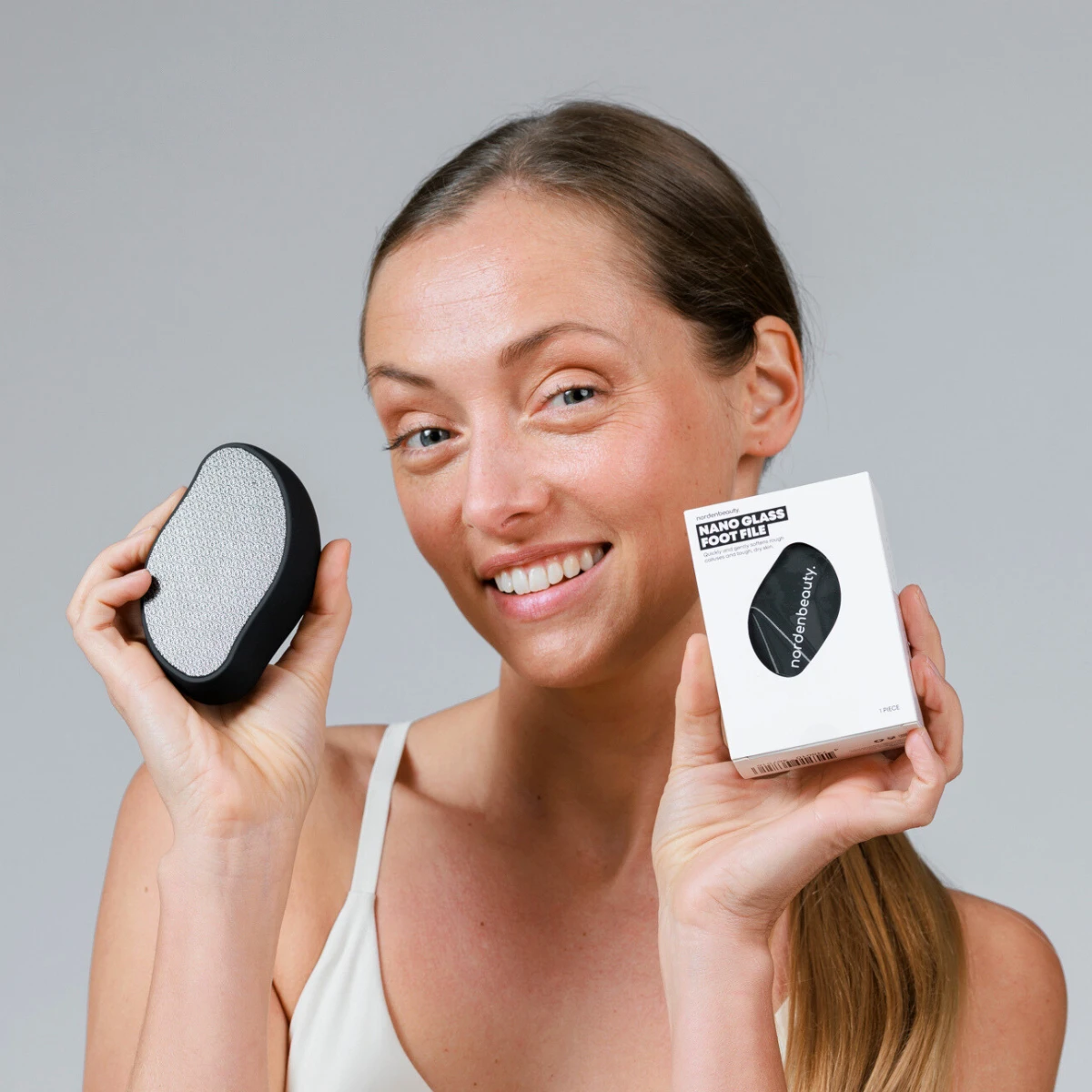
The NanoGlass Foot File & Callus Remover is your go-to for salon-quality results at home. Its nano-glass surface gently removes dead skin without irritation, leaving your feet silky smooth.
Who Should Choose a Glass Foot File?
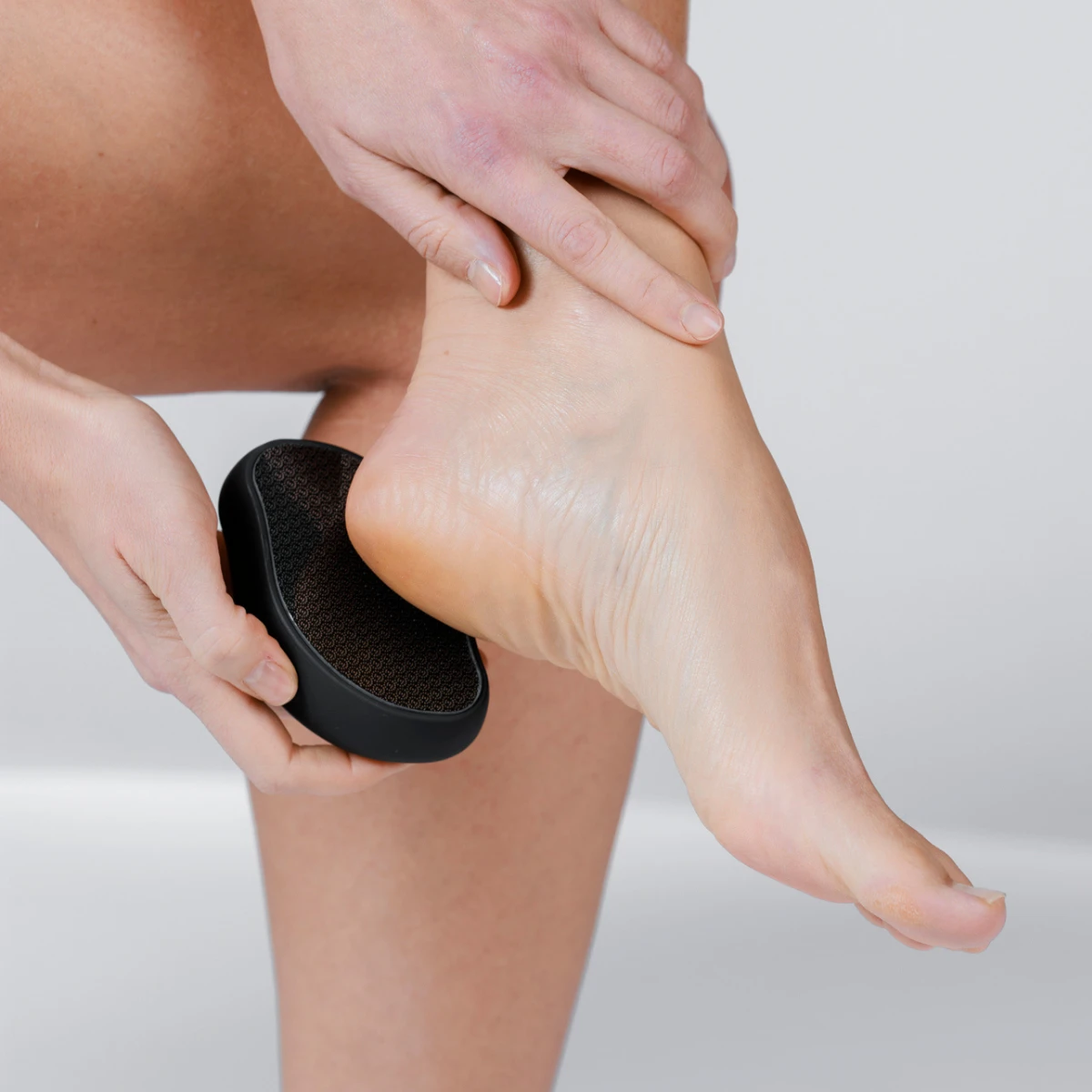
If you have sensitive skin or are prone to cuts and nicks, a glass foot file is your best friend. Its gentle action removes dead skin without damaging the healthy layers underneath. You can use it more frequently — even daily — without fear of over-exfoliation. That makes it ideal for maintaining soft feet between pedicures.
Another reason to pick a glass file is longevity. Unlike pumice, which crumbles and flattens, a high-quality glass file like the NanoGlass Foot File & Callus Remover stays effective for years. It is also easier to clean: just rinse and let it dry. No special storage required. For those who want a reliable, low-maintenance tool, glass is the clear choice.
Finally, if you enjoy pairing your foot care with luxurious products, a glass file works beautifully with oils and creams. Use it after soaking your feet, then follow up with Anti Cellulite Oil for added nourishment. The smooth finish of the glass file prepares your skin to absorb moisture better, leaving your feet feeling pampered.
Featured Product
NanoGlass Foot File & Callus Remover
The NanoGlass Foot File & Callus Remover is your go-to for salon-quality results at home. Its nano-glass surface gently removes dead skin without irritation, leaving your feet silky smooth.
Who Should Choose a Pumice Stone?
A pumice stone might be right for you if you have very thick, stubborn calluses that need heavy-duty exfoliation. Some people prefer the tactile feedback of a natural stone and find it satisfying to see immediate results. If you only need to treat rough patches occasionally, a pumice stone can be a budget-friendly option.
However, be aware that pumice requires more care. You must soak your feet thoroughly before use to soften the skin, and you should never use it on dry skin. It also demands thorough drying after each use to prevent mold and bacteria. If you are diligent about maintenance, a pumice stone can serve you well for a few months before it wears out.
For those who like to combine tools, you might use a pumice stone for initial heavy callus removal and then switch to a glass file for regular upkeep. Just remember that pumice is less forgiving — pressing too hard can cause micro-abrasions. According to a dermatology resource, over-exfoliation with rough tools can lead to skin irritation, so moderation is key.
Common Mistakes in Foot Exfoliation
One of the biggest mistakes is exfoliating dry feet. Always soak your feet in warm water for at least 10 minutes before using any tool. This softens the dead skin, making removal easier and safer. Another error is pressing too hard. Let the tool do the work — gentle, consistent strokes are more effective than aggressive scrubbing.
Many people also neglect to moisturize after exfoliation. Removing dead skin leaves fresh layers exposed, which need hydration. Apply a rich cream or oil like Anti Cellulite Oil immediately after. Finally, do not share your foot tools. Even with cleaning, sharing increases the risk of spreading fungi or bacteria. Keep your glass file or pumice stone personal.
Lastly, avoid using the same tool on calluses and healthy skin without cleaning in between. This can transfer dead skin cells and bacteria. A quick rinse under hot water is enough for a glass file, but pumice stones need more thorough cleaning. By avoiding these pitfalls, you will get the best results from your foot care routine.
Myths vs Facts
Myth
Pumice stones are more natural and therefore better for your skin.
Fact
Natural does not always mean better. Pumice stones can be too abrasive and harbor bacteria due to their porous nature. Glass foot files are made from non-porous material, making them gentler and more hygienic.
Myth
You need to press hard with a glass foot file to see results.
Fact
Glass foot files are designed to work with light pressure. Pressing hard can cause discomfort and may not improve results. Gentle, even strokes are more effective and safer for your skin.
Myth
Pumice stones last forever.
Fact
Pumice stones wear down over time and lose their abrasive surface. They typically need replacement every few months. In contrast, a glass foot file can last for years with proper care.
Myth
Exfoliating your feet daily with any tool is safe.
Fact
Daily exfoliation can strip the skin of its natural barrier, leading to dryness and irritation. A glass foot file is gentle enough for frequent use, but even then, 2-3 times per week is sufficient for most people.
Frequently Asked Questions
Is a glass foot file better than a pumice stone?
How often should I use a glass foot file?
Can I use a pumice stone on dry skin?
How do I clean a glass foot file?
Which is better for sensitive skin: glass foot file vs pumice stone?
Choosing between a glass foot file and a pumice stone ultimately depends on your skin type and foot care goals. If you value comfort, hygiene, and long-term use, the glass foot file is the smarter investment. It delivers consistent results without the risk of over-exfoliation, making it suitable for weekly maintenance. For occasional heavy callus removal, a pumice stone can still have a place in your routine — but use it sparingly and with care.
Realistic expectations are key: no tool will transform your feet overnight. Consistent care, combined with moisturizing and proper technique, will yield the soft, smooth feet you desire. Pair your chosen tool with quality products like the Silk Body Exfoliating Glove for overall body care, and you will be well on your way to pampered, healthy-looking skin.