Fascia and Cellulite Connection Explained: What You Need to Know
Quick answer: Cellulite forms when fibrous bands under the skin pull down on connective tissue, creating dimples. Fascia, the web-like tissue surrounding muscles, can become tight and adhere to skin, worsening the appearance. Releasing that tension through techniques like cupping helps restore smoothness.
In this article
Key takeaways
- Fascia is a continuous web of connective tissue that can tighten and contribute to cellulite formation.
- Cupping therapy helps lift and separate adhered fascia, reducing the dimpled appearance.
- Consistent at-home care with the right tools can improve skin firmness over time.
- Hydration and movement support fascia health and amplify your results.
- Understanding the root cause empowers you to choose treatments that actually work.
What Is Fascia and How Does It Affect Cellulite?
Fascia is a thin, strong layer of connective tissue that wraps around every muscle, bone, and organ in your body. Think of it as a full-body stocking that holds everything in place. When fascia becomes stiff or dehydrated, it can adhere to the layers above it, pulling the skin downward and creating those characteristic dimples. This is the fascia and cellulite connection explained at its most basic level.
Healthy fascia is supple and glides smoothly. But factors like poor posture, repetitive movements, and even stress can cause it to lose elasticity. Once that happens, the fibrous bands called septae tighten, trapping fat cells and pushing them upward. The result is the orange-peel or cottage-cheese texture you see. Addressing the fascia directly can help break that cycle.
Many people focus only on fat reduction, but that misses the structural component. By releasing fascial restrictions, you allow the skin to lie flatter and more evenly. That is why techniques like cupping, foam rolling, and stretching have gained traction among those seeking real change.
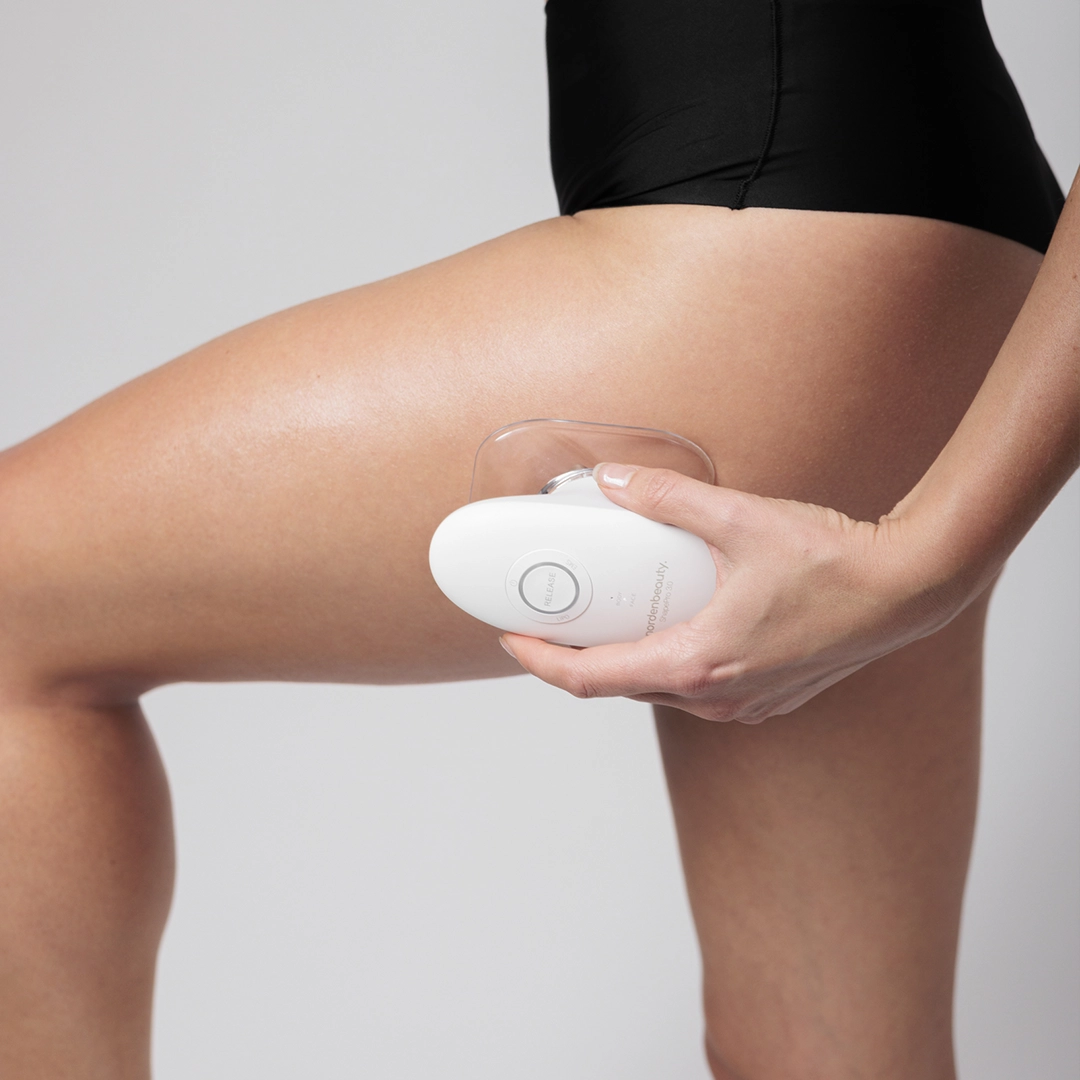
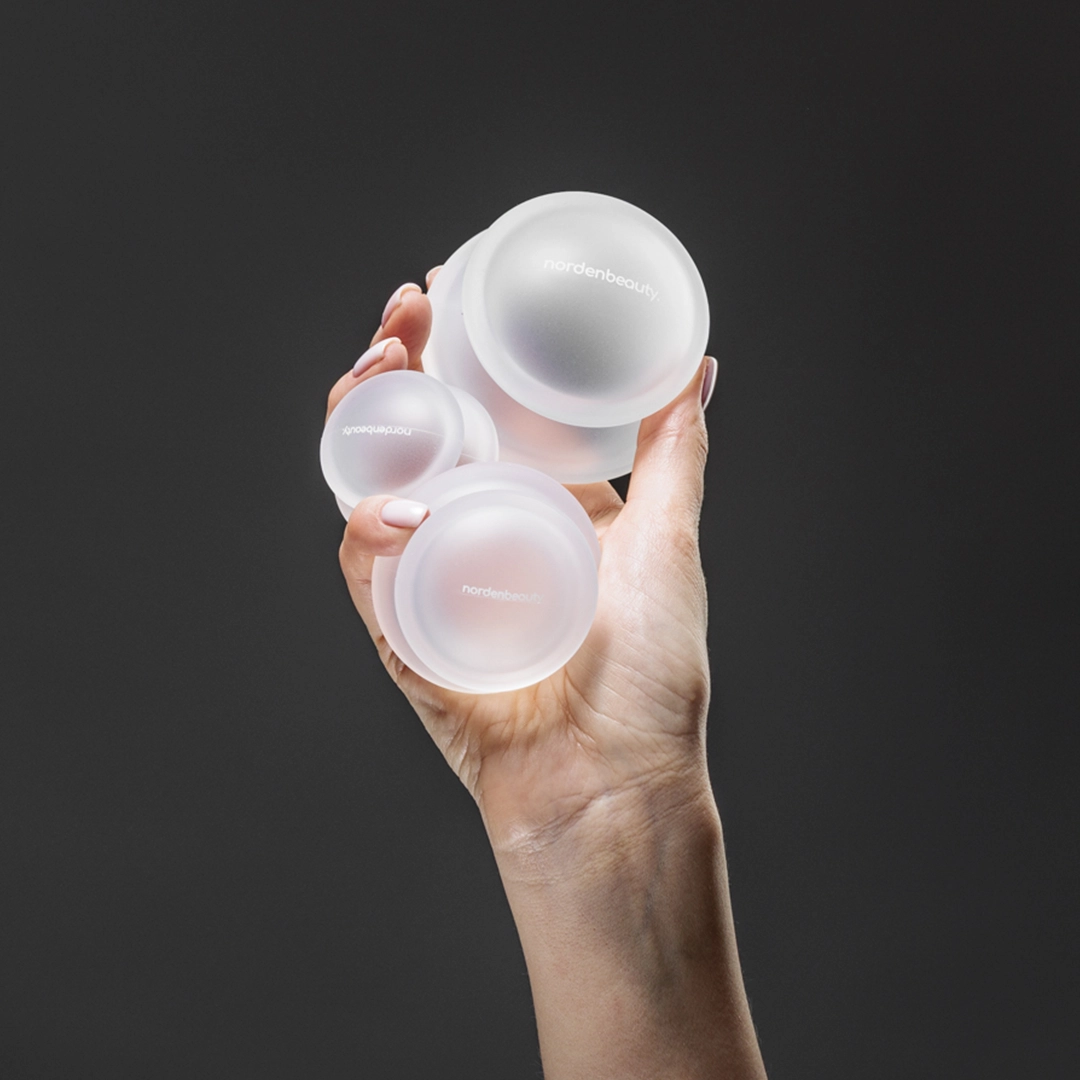
Our Body Cupping Set is crafted to reach the fascia layer and release tension that contributes to cellulite. With adjustable suction and easy-to-follow guides, it puts professional-grade care in your hands.
How Cupping Therapy Targets the Fascia
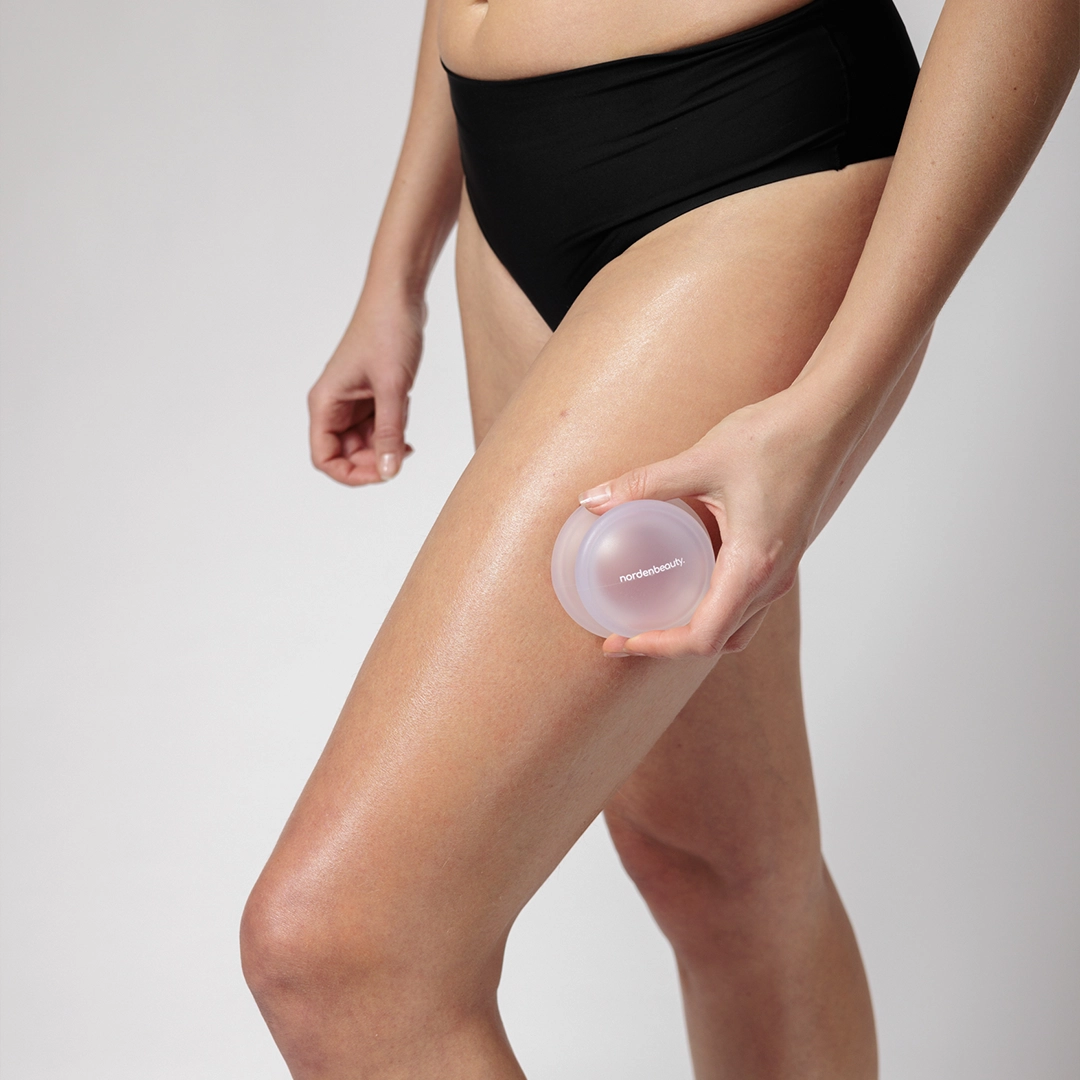
Cupping therapy uses suction to lift the skin and underlying fascia away from the muscle. This gentle separation creates space for blood flow and nutrients to reach the area. Over time, the suction helps break down adhesions—those sticky spots where fascia has glued itself to nearby tissue. The result is a smoother transition between layers, which directly reduces the appearance of cellulite.
Our Body Cupping Set is designed for easy at-home use. Each cup creates a controlled vacuum that you can adjust for comfort. As you glide the cups over your skin, you are essentially giving your fascia a manual release. Many women report visible improvements in skin texture after just a few weeks of consistent use.
Research supports the idea that mechanical stimulation of connective tissue can improve its hydration and flexibility. For a deeper dive, you can read more about fascial health from trusted sources like this external article on connective tissue. The key is regular, gentle work rather than aggressive pressure.
Featured Product
Body Cupping Set
Our Body Cupping Set is crafted to reach the fascia layer and release tension that contributes to cellulite. With adjustable suction and easy-to-follow guides, it puts professional-grade care in your hands.
Beyond Cupping: Supporting Your Fascial Health
Cupping is powerful, but it works best as part of a broader routine. Staying hydrated is essential because fascia is largely water. When you are dehydrated, the tissue becomes sticky and less pliable. Aim for at least eight glasses of water a day, and consider adding electrolytes if you exercise heavily.
Movement also matters. Activities like yoga, Pilates, and even brisk walking encourage the fascia to glide and stretch. Incorporating dynamic stretches into your day keeps the tissue elastic. Pairing these habits with your cupping sessions amplifies the benefits and helps maintain results longer.
Your diet plays a role too. Anti-inflammatory foods like leafy greens, berries, and healthy fats support tissue repair. Reducing processed sugars can help minimize fluid retention, which often makes cellulite look more pronounced. Small, consistent changes add up to a noticeable difference in skin smoothness.
What Realistic Results Look Like With At-Home Care
It is important to set realistic expectations. Cellulite is a natural part of many women’s bodies, influenced by genetics, hormones, and age. No treatment can erase it completely, but you can significantly reduce its visibility. With regular use of the Body Cupping Set, many users see a 30-50% improvement in skin texture within two to three months.
Results depend on consistency. Using the cups three to four times per week, combined with the lifestyle habits mentioned above, gives the best outcome. You may notice your skin feels firmer and looks more even before the dimples fade. That is a sign the fascia is releasing and circulation is improving.
Your skin will continue to change over time. Maintenance sessions once or twice a week can help preserve your progress. Remember, this is about feeling confident in your own skin, not chasing perfection. Every small step brings you closer to a smoother, more comfortable you.
Myths vs Facts
Myth
Cellulite only happens to people who are overweight.
Fact
Cellulite affects women of all body types, including those who are lean and fit. Genetics, hormones, and connective tissue structure play a larger role than body weight alone.
Myth
Creams and lotions can eliminate cellulite permanently.
Fact
Topical products can temporarily plump the skin, but they cannot reach the fascia where the real tension lies. Physical methods like cupping address the root cause more effectively.
Myth
Cupping therapy is painful and leaves bad bruises.
Fact
When used correctly, cupping creates a gentle pulling sensation, not pain. Any marks are usually light and fade within a few days. You control the suction level for comfort.
Myth
Once you stop treatment, cellulite comes back worse.
Fact
If you stop, your skin may gradually return to its previous state, but it will not worsen. Maintaining a healthy routine keeps your fascia flexible and your results lasting longer.
Frequently Asked Questions
What is the fascia and cellulite connection explained simply?
How often should I use a body cupping set for cellulite?
Can cupping alone get rid of cellulite completely?
Is the Body Cupping Set safe to use on sensitive skin?
How long until I see results from cupping for cellulite?
Understanding the fascia and cellulite connection explained here gives you a powerful advantage. You now know that cellulite is not just about fat—it is about the health of your connective tissue. By choosing tools and habits that support fascial release, you are addressing the root cause rather than just the surface. That is the kind of smart, effective self-care your body deserves.
Real results take time, but they are absolutely within reach. Start with a few minutes of cupping each week, stay hydrated, and keep moving. Your skin will thank you with a smoother, firmer appearance that boosts your confidence every single day. You have everything you need to make a change—begin today.