Dry Brushing vs Gua Sha: Which Is Better for Your Face?
Quick answer: It depends on your goals. If you want gentle daily lymphatic drainage and a soothing ritual that fits into your morning, dry brushing wins. For deeper sculpting and defined contouring, gua sha offers a more intense alternative that requires a bit more time and oil.
In this article
Key takeaways
- Dry brushing is ideal for gentle daily lymphatic stimulation and a soothing ritual.
- Gua sha provides deeper, more targeted muscle release and contouring.
- Both techniques reduce puffiness but suit different skin sensitivities.
- Consistency matters more than which tool you pick for visible results.
- Combining both methods can give you the best of both worlds.
Key Differences Between Dry Brushing and Gua Sha for Lymphatic Drainage
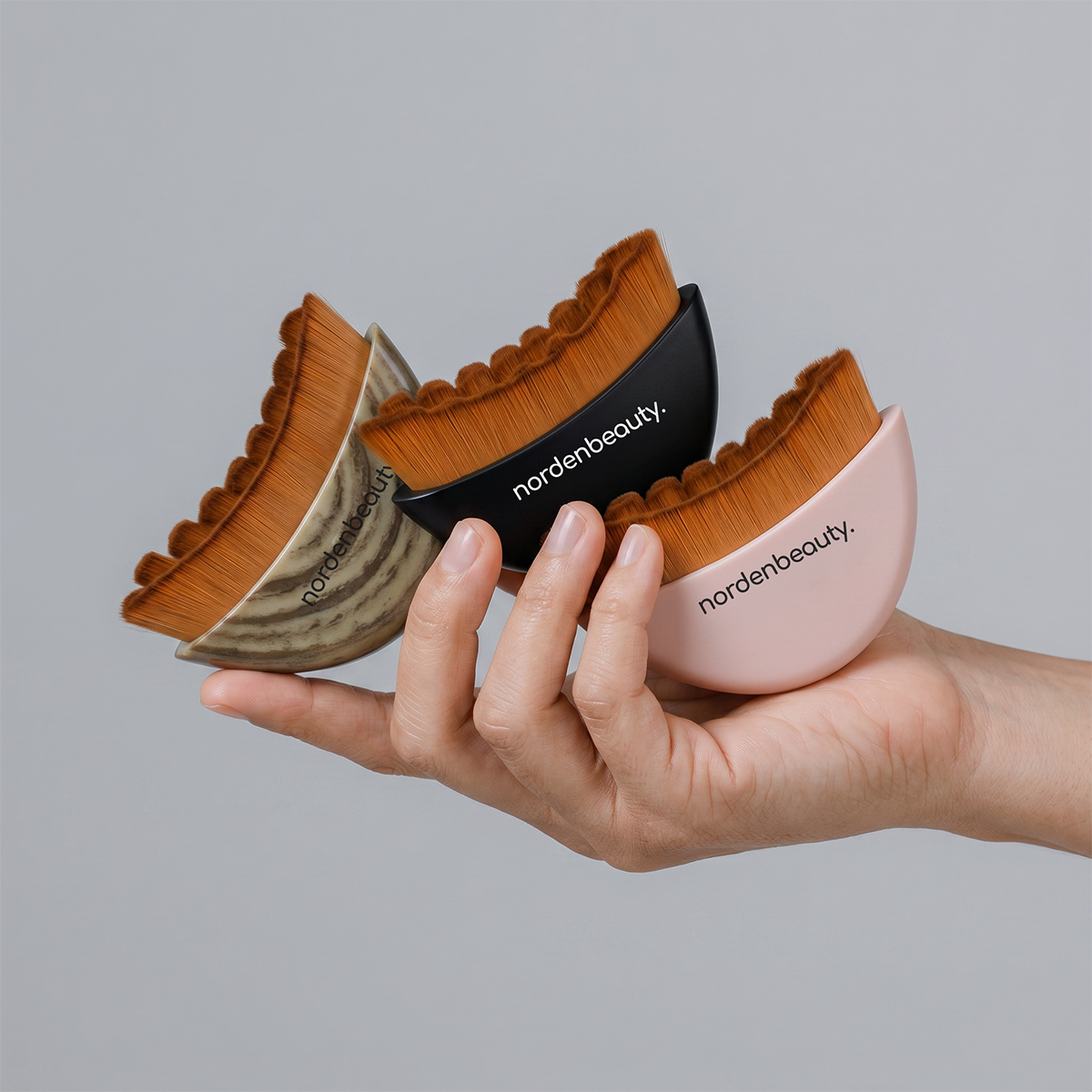
When you think about dry brushing vs gua sha which is better, the real answer lies in how each tool interacts with your skin. Face dry brushing uses ultra-soft bristles that stimulate lymph flow and exfoliate dead cells without pressure. Your Contouring Dry Brush from Nordenbeauty is designed to move over delicate facial contours easily, making it safe for daily use.
Gua sha, on the other hand, relies on a flat stone edge that scrapes across oiled skin. This creates deeper friction and can release muscle tension. Both methods boost circulation and reduce puffiness, but dry brushing is more forgiving for beginners. A dermatological review of manual lymphatic techniques notes that light mechanical action improves fluid movement without irritation.
Think about your mornings: you want something quick and calming. Dry brushing fits that bill because it needs no oil, no prep, and takes just two minutes. Gua sha requires a dedicated space and time to apply oil and glide slowly. Your choice depends on how much ritual you crave versus how seamlessly you want to slip the practice into your existing routine.
| Face Dry Brushing | Facial Gua Sha | |
|---|---|---|
| Comfort | Soft bristles feel like a gentle massage, very relaxing | Smooth stone requires glide oil; can be too intense if pressed too hard |
| Hold / Support | Ergonomic handle gives easy control; one hand works | Small tool requires careful finger placement; can slip without oil |
| Reusability | Bristles last months with proper care; replace when soft | Stone lasts years; needs cleaning between uses |
| Skin-Friendliness | Ideal for sensitive skin due to light pressure | Can cause redness or broken capillaries if technique is poor |
| Best Occasions | Daily morning routine to depuff and awaken skin | Evening routine for deeper sculpting once or twice a week |
| Care | Rinse bristles weekly and air dry; no oil needed | Wash with mild soap and dry; requires application of facial oil |
| Price per Wear | Low investment; one brush used daily for months | Moderate; quality stone costs more but lasts years |
The Nordenbeauty Contouring Dry Brush for the Face is your daily ally for gentle lymphatic drainage and smoother skin. Its ergonomic handle and ultra-soft bristles make it the easiest way to depuff and brighten your complexion each morning.
Who Should Choose Dry Brushing Over Gua Sha?
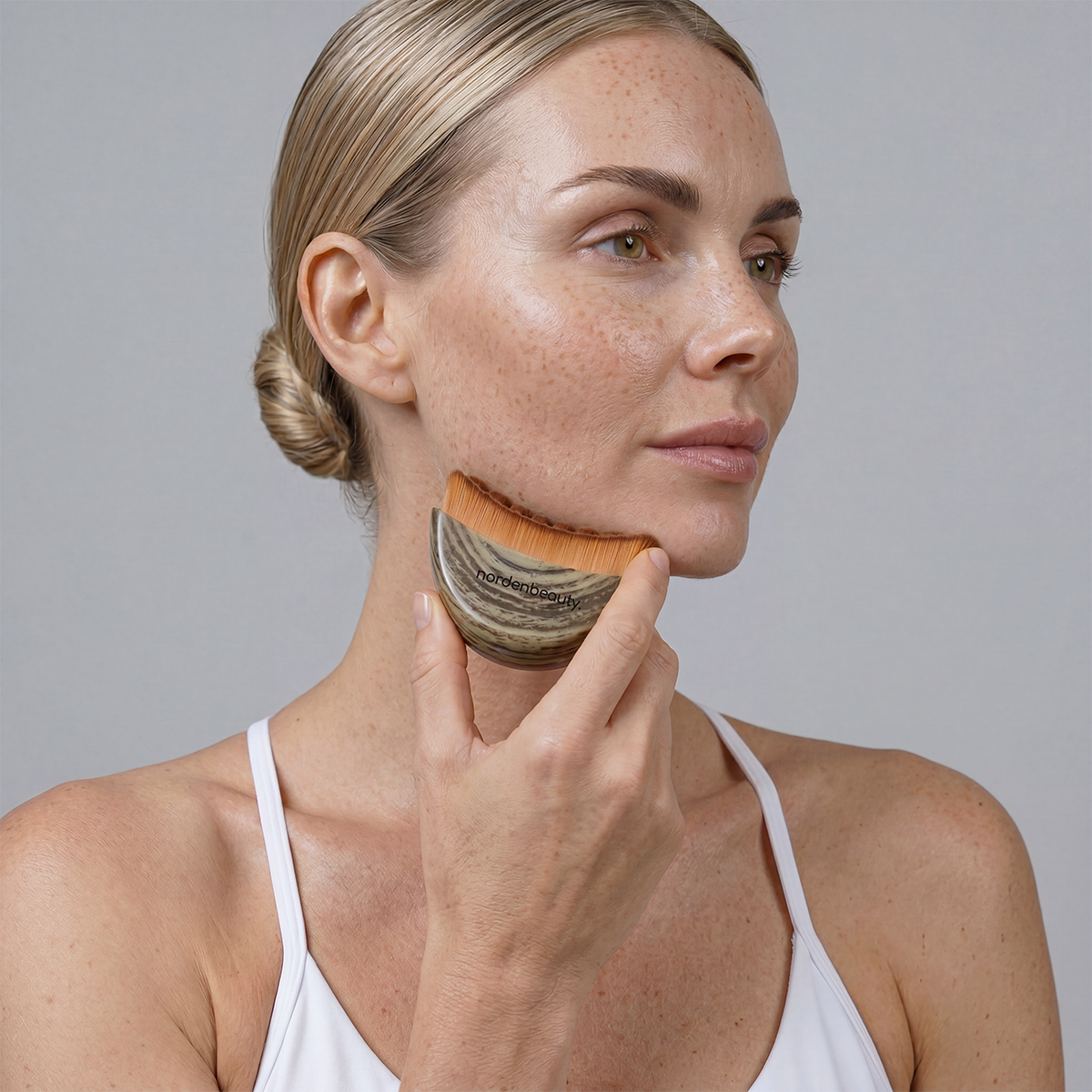
If your skin is sensitive, prone to redness, or you simply want a gentle start to your day, dry brushing is your match. The face massage brush from Nordenbeauty has soft bristles that stimulate without dragging. You can use it every morning before cleansing, and it pairs wonderfully with your usual skincare products.
Dry brushing also wins for convenience. No need to apply an extra oil or warm up a stone. Just pick up your brush and go. This makes it easier to stay consistent, and consistency is what truly transforms puffiness and dullness over time. If you tend to skip steps when routines get complicated, dry brushing keeps you on track.
Another advantage is the exfoliating benefit. The bristles gently slough off dead skin cells, leaving your face smoother and more receptive to serums. Gua sha doesn’t exfoliate, so if you want a double benefit from one tool, dry brushing delivers. For a deeper understanding of how manual methods affect skin texture, you can explore related articles on our blog.
Featured Product
Contouring Dry Brush for the Face
The Nordenbeauty Contouring Dry Brush for the Face is your daily ally for gentle lymphatic drainage and smoother skin. Its ergonomic handle and ultra-soft bristles make it the easiest way to depuff and brighten your complexion each morning.
Who Should Choose Gua Sha Over Dry Brushing?
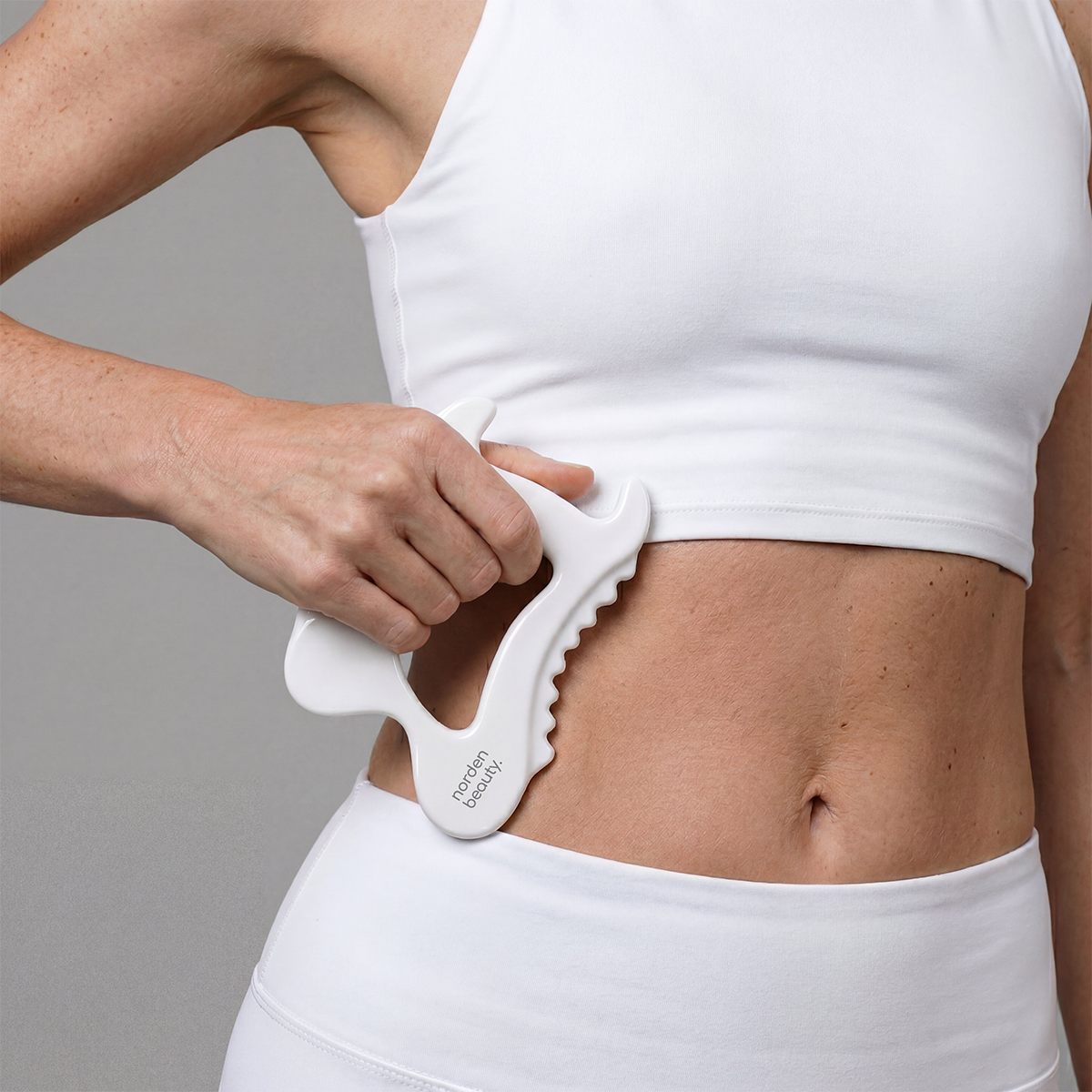
Gua sha is the better option if you’re aiming for facial contouring and deeper muscle release. The flat edge of the stone can work along your jawline and cheekbones with more pressure than bristles ever could. If you have stubborn tension in your masseter muscles or want to define your jaw, gua sha is your tool.
You should also pick gua sha if you enjoy a longer, more meditative ritual. Applying oil, warming the stone, and repeating strokes can be deeply relaxing. Some people find the glide of a ceramic tool soothing in a way that dry brushing isn’t. The ceramic body gua sha from Nordenbeauty offers a smooth, cool surface that feels luxurious.
However, gua sha requires learning correct technique to avoid bruising. If you’re willing to invest a little time upfront, the payoff can be more dramatic sculpting effects. It’s best used two to three times per week, not daily, so you might still want a daily dry brush for in-between days. Both tools have a place, but gua sha is the depth charge while dry brushing is the steady tide.
Common Mistakes to Avoid with Both Techniques
The biggest mistake with dry brushing is using too much pressure. Your Nordenbeauty Contouring Dry Brush is designed to work with light, upward strokes. Pressing hard can irritate your skin and cause micro-tears. Keep the touch as gentle as if you were brushing a petal.
For gua sha, the most common error is skipping the lubricant. Gliding a dry stone over your face will cause friction burns. Always apply a thin layer of facial oil. Also, never use gua sha on active breakouts or sunburnt skin. The scraping action can spread bacteria and worsen inflammation.
Another mistake is comparing results to filtered social media images. Real lymphatic drainage takes time and consistency, not a single session. You won’t see a dramatically lifted face overnight, but with steady practice, you will notice less puffiness and a more even skin tone. For a broader look at how surface techniques influence deeper skin health, our detailed post on cellulite misconceptions offers helpful context.
Myths vs Facts
Myth
Dry brushing and gua sha can completely eliminate sagging skin.
Fact
Neither tool can tighten loose skin long-term. They reduce temporary puffiness and improve circulation, which gives a subtle lift that lasts a few hours. For structural changes, you would need treatments like radiofrequency or surgery.
Myth
Gua sha is always more effective than dry brushing.
Fact
Effectiveness depends on your goal. Gua sha offers deeper pressure and may sculpt more dramatically, but dry brushing is gentler and safer for daily use on sensitive or reactive skin. Both are effective in different ways.
Myth
You must use a lot of oil for gua sha to work.
Fact
You only need a few drops of facial oil spread evenly. Too much oil causes the stone to slide too fast, reducing control. A thin, even layer gives the perfect glide without waste.
Myth
Dry brushing exfoliates too harshly for facial skin.
Fact
Quality face brushes use extra-fine bristles that exfoliate gently. The Nordenbeauty brush is specifically designed for facial use, so it sloughs off dead cells without irritating. Always avoid the eye area.
Frequently Asked Questions
Which is better for lymphatic drainage dry brushing or gua sha?
Can I use dry brushing and gua sha together?
How often should I dry brush my face?
Does gua sha bruise the face?
Which tool is better for sensitive skin?
Choosing between dry brushing and gua sha isn’t about finding a winner. It’s about matching the tool to your daily needs and skin type. If you want a gentle, no-fuss routine that supports lymphatic health without extra steps, the Contouring Dry Brush for the Face from Nordenbeauty fits perfectly. Gua sha remains a powerful ally for deeper, more intentional sessions.
Realistic results take patience. Neither method will rewrite your genetics, but consistent use will help you wake up less puffy, more relaxed, and with a subtle glow. Listen to your skin, start light, and let your own experience guide you to the technique that feels best.