
Best Low Impact Exercise for Lipedema: Gentle Moves That Work
Quick answer: The best low impact exercise for lipedema includes swimming, walking, rebounding, and gentle yoga. These activities reduce joint stress, improve lymphatic flow, and help manage symptoms without triggering inflammation or pain.
In this article
Key takeaways
- Low impact exercise reduces joint pain and supports lymphatic flow for lipedema.
- Swimming and water aerobics provide full-body resistance without gravity stress.
- Walking with compression wear can improve circulation and reduce swelling.
- Rebounding on a mini-trampoline gently stimulates lymph drainage.
- Consistency matters more than intensity for managing lipedema symptoms.
Why Low Impact Exercise Matters for Lipedema
Your body deserves movement that feels good, not punishing. For women with lipedema, high-impact activities often worsen pain and swelling because they stress already sensitive connective tissues. That’s why focusing on a low impact exercise routine tailored for lipedema allows you to use smooth, controlled motions that protect your joints while still challenging your muscles.
Low impact exercise encourages lymphatic circulation, which is crucial for reducing fluid buildup and discomfort. When you move gently, your lymphatic system works more efficiently to flush out toxins and reduce inflammation. Over time, this can lead to less heaviness in your legs and a greater sense of ease in daily life.
Think of it as a partnership with your body rather than a battle. By choosing exercises that respect your limits, you build strength and stamina without triggering flare-ups. It’s a sustainable approach that keeps you moving for years to come.
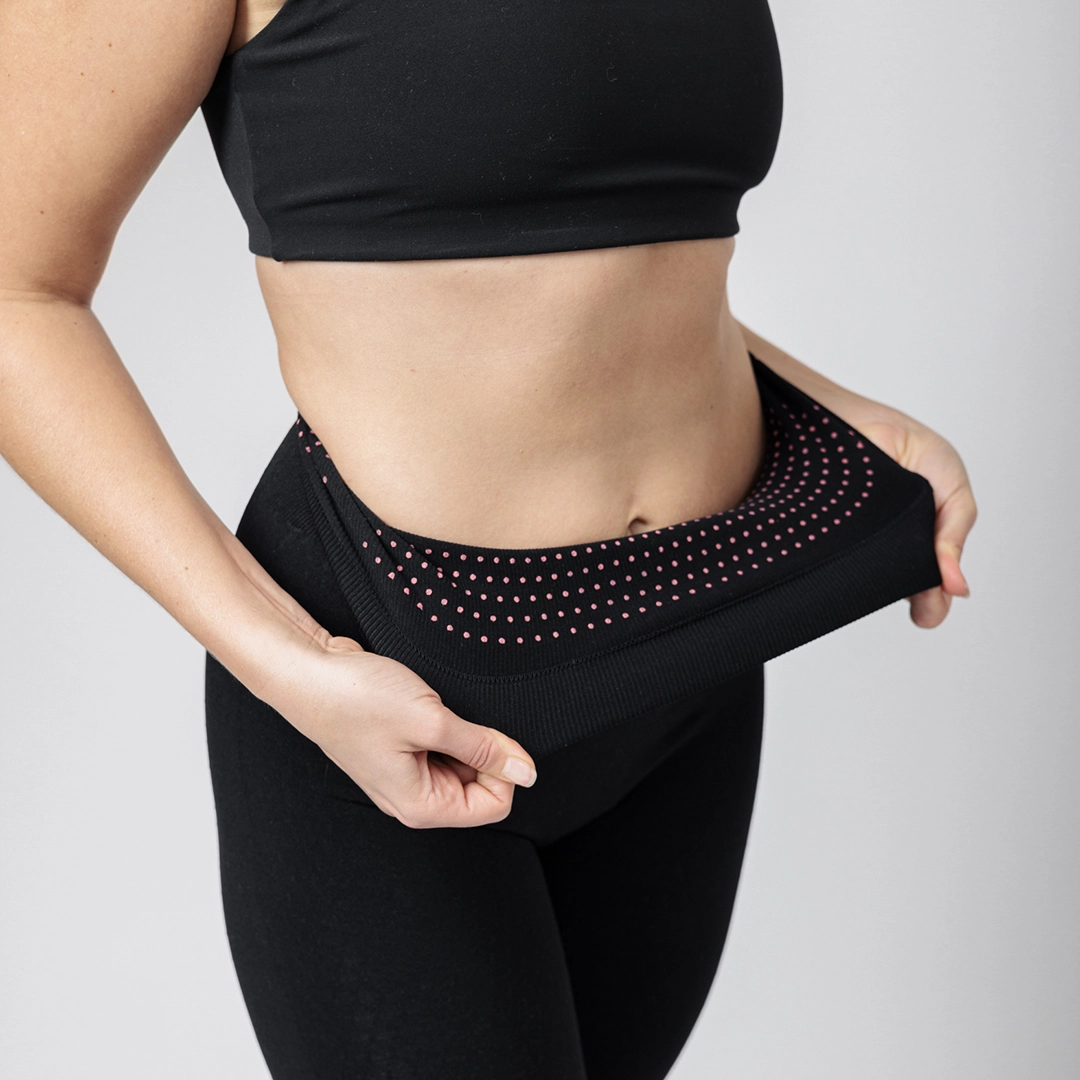
Our Anti-Cellulite Leggings offer gentle compression that supports lymphatic flow while you exercise or go about your day. They’re comfortable enough for yoga, walking, or lounging, and they help you feel smooth and confident in every move.
Swimming and Water Workouts: Your Best Ally
Water offers natural resistance without impact. Swimming, water walking, or aqua aerobics let you move freely while buoyancy takes pressure off your legs and hips. Many women find that water-based activities provide the most relief because the hydrostatic pressure gently massages tissues and encourages lymphatic flow. According to research on hydrotherapy, the cool water also helps reduce inflammation, making it easier to stay active longer.
You don’t need to be a strong swimmer to benefit. Simply walking back and forth in a pool or doing leg lifts against water resistance can make a big difference. The cool water also helps reduce inflammation, making it easier to stay active longer.
For best results, aim for 20-30 minutes of water movement three to four times a week. Wear comfortable swimwear and consider adding water dumbbells for extra resistance. Your joints will thank you, and your legs will feel lighter after each session.
Featured Product
Anti-Cellulite Leggings
Our Anti-Cellulite Leggings offer gentle compression that supports lymphatic flow while you exercise or go about your day. They’re comfortable enough for yoga, walking, or lounging, and they help you feel smooth and confident in every move.
Walking with Purpose: Boost Circulation Every Day
A daily walk is one of the simplest and most effective tools for managing lipedema. The key is to walk with intention — keep a steady pace, swing your arms, and focus on good posture. This rhythmic movement stimulates calf muscles, which act as a pump for lymphatic fluid.
Pair your walks with supportive gear like Nordenbeauty’s Anti-Cellulite Leggings. Their gentle compression helps reduce swelling and provides a smooth silhouette, so you feel confident while you move. For deeper insight into how lipedema differs from other conditions, read our guide on Lipedema vs Lymphedema – How to Tell the Difference.
Start with 15 minutes and gradually increase to 30-40 minutes. Listen to your body — if your legs feel heavy, take a break. Consistency builds progress without pushing too hard.
Rebounding: Gentle Bouncing for Lymphatic Health
Rebounding on a mini-trampoline might look like child’s play, but it’s a powerful tool for lymphatic drainage. The up-and-down motion opens and closes lymphatic valves, encouraging fluid movement without jarring your joints. Many experts consider this one of the top gentle exercises for managing lipedema because it’s both low impact and effective.
You don’t need to jump high — a soft bounce with feet staying on the mat is enough. Start with five minutes and build up to 15-20 minutes as your body adapts. The vertical movement also strengthens your pelvic floor and core, which supports overall stability.
For an added boost, wear your Anti-Cellulite Leggings during rebounding sessions. The targeted compression enhances circulation and helps you feel supported throughout the bounce.
Yoga and Stretching: Flexibility Meets Lymphatic Flow
Yoga offers a unique combination of stretching, strengthening, and relaxation — all beneficial for lipedema. Poses that elevate the legs, like legs-up-the-wall, encourage lymphatic drainage and reduce swelling. Gentle flows that focus on hip openers and twists also stimulate fluid movement.
Restorative yoga is especially helpful because it lowers cortisol levels, which can otherwise contribute to inflammation. You don’t need to be flexible to start — even 10 minutes of gentle stretching in the morning can set a positive tone for the day. If you’re unsure whether your symptoms are lipedema or something else, check our article on Lipedema or Just Fat Legs? Here’s How to Tell (and What You Can Do About It).
Combine yoga with deep breathing to enhance relaxation and lymphatic flow. Over time, you’ll notice improved mobility and less tension in your legs.
Myths vs Facts
Myth
You need to do high-intensity cardio to lose weight with lipedema.
Fact
High-intensity exercise can actually worsen inflammation and pain. Low impact, consistent movement is far more effective for managing symptoms and supporting overall health.
Myth
Lipedema only affects overweight women.
Fact
Lipedema can affect women of any size. It’s a fat distribution disorder, not a weight issue. Exercise helps manage symptoms but doesn’t ‘cure’ the condition.
Myth
Swimming is the only good exercise for lipedema.
Fact
While swimming is excellent, other low impact options like walking, rebounding, yoga, and cycling also provide great benefits. Variety keeps your routine enjoyable and effective.
Myth
You should never exercise if your legs hurt.
Fact
Gentle movement often reduces pain over time. Listen to your body — if pain is sharp, rest. But mild discomfort can improve with consistent, low impact activity.
Frequently Asked Questions
What is the best low impact exercise for lipedema?
Can exercise reduce lipedema fat?
Is walking good for lipedema?
How often should I exercise with lipedema?
Does rebounding help lipedema?
Finding the right gentle movement for lipedema is about honoring your body’s needs while staying active. Whether you choose swimming, walking, rebounding, or yoga, each gentle step brings you closer to less pain and more freedom. Consistency, not intensity, is your greatest ally.
Pair your routine with supportive tools like Nordenbeauty’s Anti-Cellulite Leggings to enhance comfort and confidence. Remember, progress looks different for everyone — celebrate small victories and keep moving at your own pace. Your body will thank you.
