
Best Exfoliating Gloves for Strawberry Legs: Your Complete Guide
In this article
- What Causes Strawberry Legs — and How Exfoliation Helps
- Signs You Might Be Dealing With Strawberry Legs
- How Exfoliating Gloves Work — What to Expect
- Best Exfoliating Gloves for Strawberry Legs: Myths vs. Facts
- Common Mistakes to Avoid
- Who Should — and Shouldn’t — Try This Approach
- Step-by-Step: How to Use the Silk Body Exfoliating Glove
- When to Talk to a Dermatologist About Your Skin
- Frequently Asked Questions
Key takeaways
- Strawberry legs result from clogged pores, trapped hair, or excess keratin — not a permanent condition.
- Consistent physical exfoliation may help smooth skin texture and reduce the appearance of dark pores over time.
- The Silk Body Exfoliating Glove offers gentle, at-home exfoliation using only water — no harsh chemicals needed.
- Pairing exfoliation with daily moisturising and proper shaving habits can support a body sculpting routine that promotes smoother-looking skin.
- Results vary by individual; most people notice gradual improvement over 4–8 weeks of regular use.
What Causes Strawberry Legs — and How Exfoliation Helps
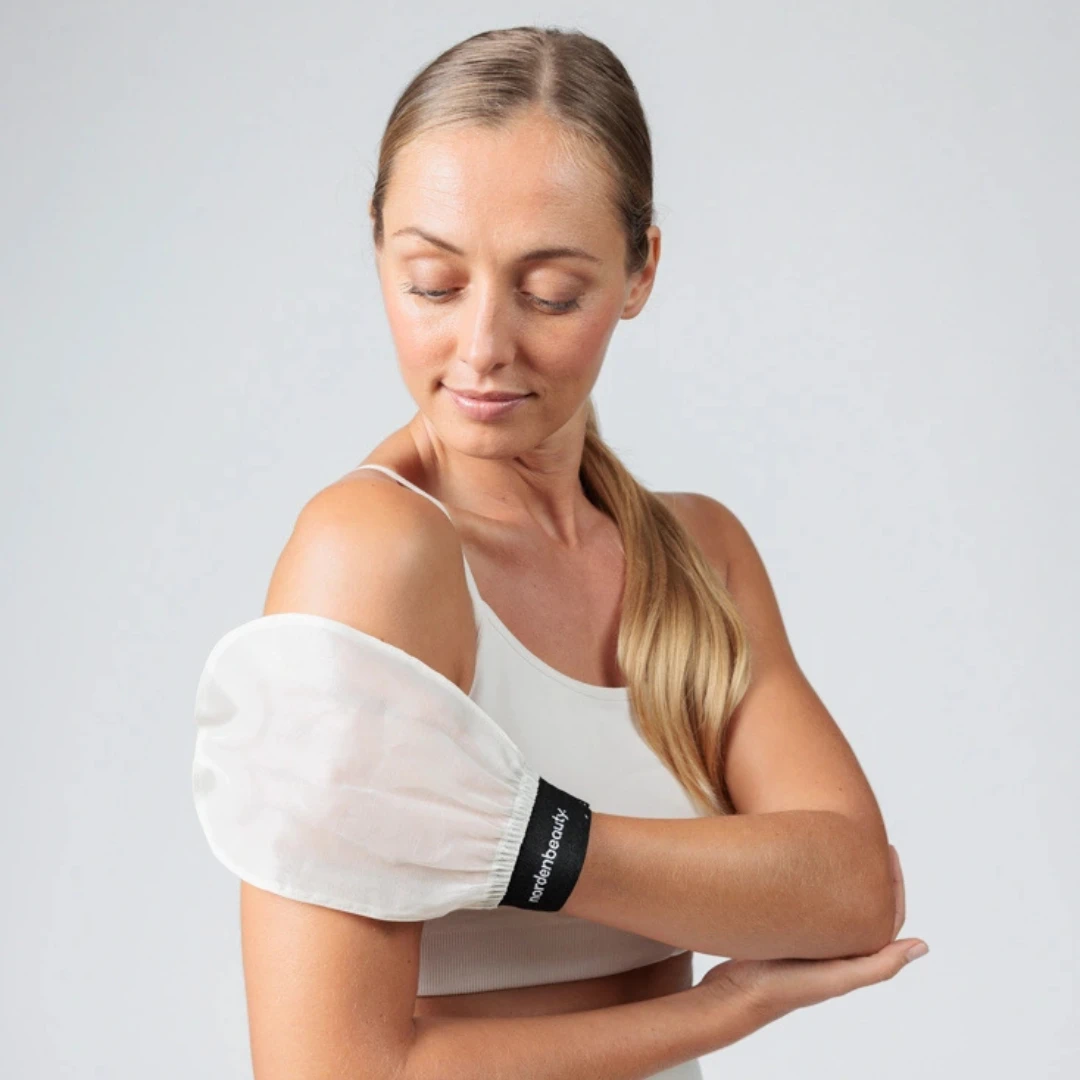
If you have noticed small dark spots or rough bumps on your legs that resemble strawberry seeds, you are not alone. Strawberry legs affect many women over 30, and the best exfoliating gloves for strawberry legs can make a real difference in how your skin looks and feels. This common concern often stems from clogged pores, trapped hair follicles, or a buildup of dead skin cells — all of which respond well to consistent physical exfoliation. While at-home body contouring and skin-smoothing routines may help reduce cellulite and improve overall texture, targeted exfoliation addresses the root of strawberry legs directly. The Silk Body Exfoliating Glove is designed to gently lift away dead skin and unclog pores using only water, making it a simple addition to your weekly routine. Individual results vary; this is for informational purposes only.
Signs You Might Be Dealing With Strawberry Legs
Not sure if what you are seeing qualifies? Here are the most common signs:
- Dark dots or speckles on your legs after shaving or waxing — these are often visible, clogged pores.
- Rough, bumpy texture that does not improve with regular moisturising alone.
- Redness or mild irritation around hair follicles, sometimes called follicular keratosis.
- Persistent ingrown hairs that leave dark marks even after they heal.
- Skin that feels dry or tight despite using body lotion daily.
If several of these sound familiar, your skin may benefit from a more intentional exfoliation strategy. Many women dealing with these signs also notice changes in skin firmness — collagen stimulation through regular exfoliation can support lymphatic drainage and help the skin appear smoother overall.
How Exfoliating Gloves Work — What to Expect
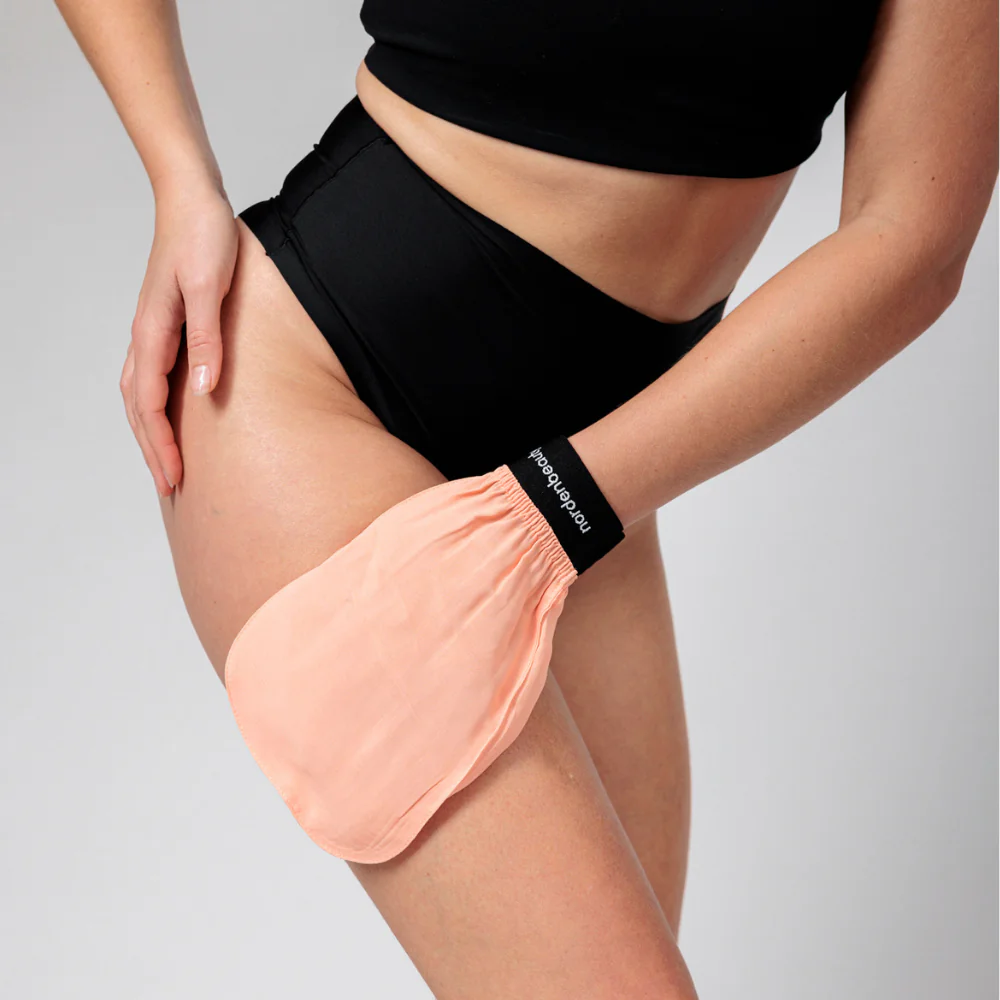
Physical exfoliation with a textured glove works by manually lifting dead skin cells, debris, and buildup from the skin’s surface. Unlike chemical exfoliants that dissolve bonds between cells, a glove provides immediate feedback — you can feel the dead skin rolling away as you use it.
The Silk Body Exfoliating Glove uses a fine, textured weave that is firm enough to be effective yet gentle enough for regular use. It requires no scrubs, oils, or chemicals — just warm water and light pressure. This makes it a practical choice for women who prefer a minimalist body-care routine.
Research published in dermatology journals suggests that physical exfoliation may help improve the appearance of keratosis pilaris and clogged pores when used consistently. However, results are gradual. Most users notice smoother texture after 2–4 weeks of regular use, with continued improvement over time. This approach can complement a broader body sculpting routine aimed at reducing cellulite and supporting skin health from the outside in.
Set realistic expectations: exfoliation can support your skin’s natural renewal cycle, but it is not a quick fix. Think of it as one part of a consistent, long-term self-care habit.
Featured Device
Silk Body Exfoliating Glove
This glove may help smooth rough, bumpy skin by gently removing the dead cell buildup that contributes to strawberry legs. With regular use, it can support your skin’s natural renewal process for a softer, more even appearance.
Best Exfoliating Gloves for Strawberry Legs: Myths vs. Facts
There is a lot of misinformation floating around about strawberry legs and how to treat them. Let’s separate fact from fiction.
Myth
“Strawberry legs are caused by poor hygiene.”
Fact
Strawberry legs are typically caused by clogged pores, keratin buildup, or hair trapped beneath the skin — not by how often you wash. Even people with excellent hygiene habits can develop this condition.
Myth
“You need harsh scrubs or acids to see results.”
Fact
Gentle physical exfoliation with the best exfoliating gloves for strawberry legs can be just as effective — and far less irritating — than aggressive chemical treatments. Consistency matters more than intensity.
Myth
“Shaving causes strawberry legs, so you should stop shaving.”
Fact
Shaving can contribute to the appearance of dark pores, but it is not the sole cause. Proper shaving technique — combined with regular exfoliation — can help minimise the effect without giving up your preferred hair removal method.
Myth
“Exfoliating gloves will thin your skin over time.”
Fact
When used with appropriate pressure and frequency, exfoliating gloves support the skin’s natural cell turnover. They do not strip the barrier — over-exfoliation does. Following a sensible schedule protects your skin.
Common Mistakes to Avoid
Even with the right tools, a few missteps can slow your progress or irritate your skin:
- Pressing too hard. The glove’s texture does the work. Heavy pressure can cause redness or micro-irritation.
- Exfoliating daily. Your skin needs recovery time. Two to three sessions per week is enough for most people.
- Skipping moisturiser afterward. Exfoliation removes dead cells but can leave skin temporarily dry. Always follow with a hydrating body lotion.
- Using the glove on broken or sunburned skin. Wait until your skin has fully healed before resuming exfoliation.
- Ignoring the rest of your routine. Exfoliation works best when paired with good shaving habits, sun protection, and hydration. Think of it as part of a body sculpting routine, not a standalone fix.
Who Should — and Shouldn’t — Try This Approach
Exfoliating gloves are generally safe for most skin types, but they are not right for everyone.
Good candidates include:
- Women with mild to moderate strawberry legs or rough, bumpy skin texture.
- Those who prefer physical exfoliation over chemical products.
- Anyone looking for a simple, water-only method to add to their weekly routine.
You should avoid or consult a professional first if:
- You have open wounds, active skin infections, or severe acne on your legs.
- You are dealing with eczema, psoriasis, or rosacea — exfoliation may worsen flare-ups.
- You are using prescription retinoids or other medications that increase skin sensitivity.
- You are pregnant or nursing and unsure about introducing new body-care practices.
When in doubt, a quick conversation with your dermatologist can help you decide whether physical exfoliation fits your skin’s needs.
Step-by-Step: How to Use the Silk Body Exfoliating Glove
Getting the most from your exfoliating glove comes down to technique and consistency. Here is a simple protocol you can follow:
Step 1: Prepare Your Skin
Start with a warm shower or bath — five to ten minutes is enough. Warm water softens dead skin cells and opens pores, making exfoliation more comfortable and effective. Avoid applying soap or oil to the area you plan to exfoliate; the glove works best on clean, damp skin.
Step 2: Exfoliate With Gentle Strokes
Put on the glove and use light, straight strokes across the affected areas. Move in one direction rather than scrubbing back and forth. Focus on your thighs, calves, and any areas where you notice rough texture or dark spots. Spend one to two minutes per leg — more is not better.
Step 3: Rinse and Pat Dry
Rinse your skin with lukewarm water to remove loosened dead cells. Gently pat your skin dry with a clean towel — do not rub. Your skin may appear slightly flushed; this is normal and should fade within minutes.
Step 4: Moisturise Immediately
Apply a fragrance-free body moisturiser while your skin is still slightly damp. This locks in hydration and supports your skin barrier after exfoliation. Ingredients like ceramides, hyaluronic acid, or shea butter work well.
Step 5: Clean and Store Your Glove
Rinse the glove thoroughly under running water after each use. Hang it to air dry in a well-ventilated area. Wash it with mild soap once a week to keep it fresh.
Step 6: Follow a Consistent Schedule
Use the glove two to three times per week, with at least one rest day between sessions. Consistency over several weeks is key — gentle, regular exfoliation tends to deliver better results than occasional intense sessions.
When to Talk to a Dermatologist About Your Skin
While exfoliating gloves can be a helpful part of your routine, there are times when professional guidance is the smarter choice. Consider booking a dermatologist appointment if:
- Your strawberry legs have not improved after 6–8 weeks of consistent exfoliation and moisturising.
- You notice increasing redness, swelling, or pain in the affected areas.
- You suspect an underlying condition like folliculitis or a fungal infection.
- Your skin reacts badly to exfoliation — persistent irritation is a sign to stop and reassess.
A dermatologist can help identify whether your concerns stem from keratosis pilaris, folliculitis, or another condition — and recommend targeted treatments that may include chemical exfoliants, prescription topicals, or professional procedures. Getting a proper diagnosis early can save you time and help you build a routine that truly works for your skin.
Featured Device
Silk Body Exfoliating Glove
Ready to take the first step toward smoother legs? The Silk Body Exfoliating Glove may help reduce the buildup that causes dark, rough patches — and it fits easily into any shower routine.
Frequently Asked Questions
Do exfoliating gloves really work for strawberry legs?
Yes, exfoliating gloves may help reduce the appearance of strawberry legs by removing dead skin cells and unclogging pores. Consistent use — two to three times per week — can smooth rough texture over time. Results vary by individual, and pairing exfoliation with moisturising typically gives the best outcome.
How long does it take to see results?
Most people notice smoother skin texture within two to four weeks of regular use. Significant improvement in the appearance of dark pores may take six to eight weeks. Patience and consistency are key — exfoliation supports your skin’s natural renewal cycle, which takes time.
How often should I use an exfoliating glove?
Two to three times per week is ideal for most skin types. Allow at least one rest day between sessions to give your skin time to recover. Over-exfoliating can cause irritation, so start gently and adjust based on how your skin responds.
Can I use exfoliating gloves if I have sensitive skin?
Many people with sensitive skin can use the best exfoliating gloves for strawberry legs by applying very light pressure and limiting sessions to once or twice a week. If you experience persistent redness or irritation, reduce frequency or consult a dermatologist before continuing.
Strawberry legs can feel frustrating, but they are one of the more manageable skin concerns you can address at home. With the right exfoliation technique, a good moisturiser, and a little patience, smoother-looking skin is well within reach.
Remember: consistent use over several weeks is what makes the difference. There are no overnight fixes — but a simple, reliable routine can gradually transform how your skin looks and feels. The Silk Body Exfoliating Glove is designed to make that process as easy as possible.
Try the Silk Body Exfoliating Glove →
You Might Also Like
Silk Body Exfoliating Glove
Results may vary. This article is for informational purposes only.
This article is for informational purposes only and does not replace professional medical advice. Individual results vary. Always consult a healthcare provider before beginning any new body-care routine.