
Best Cavitation and RF Device for Home Use: Proven Results
In this article
- What Is Cellulite — and Can You Really Reduce It at Home?
- Realistic Expectations for At-Home Body Contouring
- Signs You Might Be Dealing With Cellulite
- How It Works: Ultrasonic Cavitation + Radiofrequency
- Myths vs Facts About At-Home Cavitation Devices
- Common Mistakes to Avoid
- Who Should (and Shouldn’t) Use a Cavitation Device
- Step-by-Step: How to Use LipoSculpt Pro
- When to Seek Professional Advice
- Frequently Asked Questions
Key takeaways
- Cellulite is a structural skin condition — not a flaw — and up to 90% of women experience it at some point.
- The best cavitation and RF device for home use combines ultrasonic cavitation to target subcutaneous fat with radiofrequency for skin tightening.
- Consistency matters more than intensity — a steady body sculpting routine outperforms occasional aggressive sessions.
- At-home devices may help reduce the appearance of cellulite but cannot replace professional medical treatments.
- Results typically become noticeable after 6–12 weeks of regular use alongside healthy habits.
What Is Cellulite — and Can the Best Cavitation and RF Device for Home Use Help?
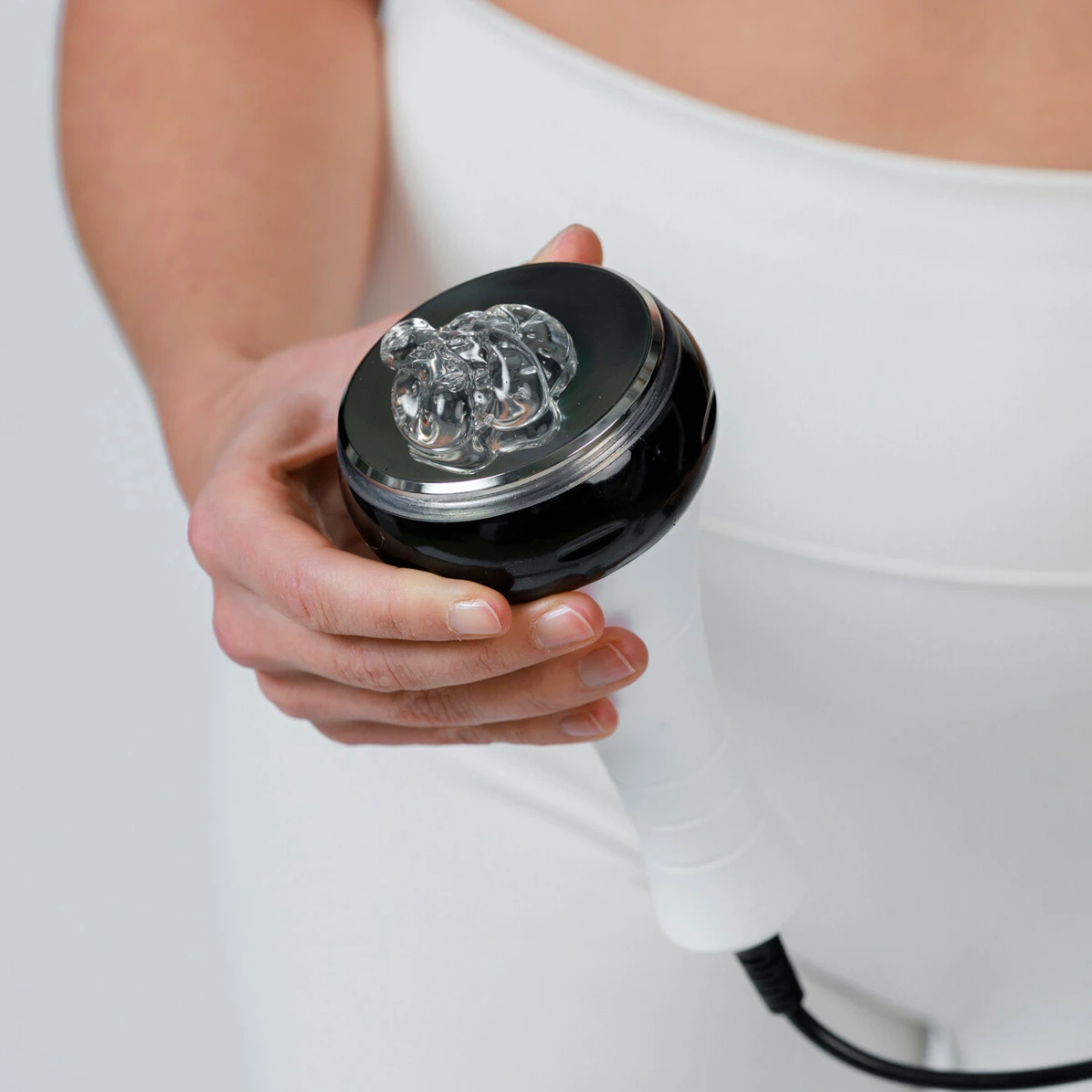
If you’ve been searching for the best cavitation and RF device for home use, you’re likely familiar with the dimpled texture that appears on thighs, hips, or buttocks. Cellulite is completely normal — experts estimate it affects up to 90% of women at some point in their lives. The LipoSculpt Pro Ultrasonic Cavitation Device + RF combines two proven technologies — ultrasonic cavitation and radiofrequency — to help reduce cellulite and firm skin from the comfort of your home. Individual results vary; this is for informational purposes only.
Realistic Expectations for At-Home Body Contouring
Before diving in, let’s set the record straight. At-home body contouring devices are not magic wands. They’re tools that may help support your body’s natural processes over time. Cellulite forms when subcutaneous fat pushes through bands of connective tissue beneath the skin, creating that familiar dimpled look.
A quality skin tightening device uses ultrasonic cavitation to send low-frequency sound waves into the fatty layer beneath your skin. These waves may help break down fat cell membranes so your body can process them through the lymphatic system. Meanwhile, radiofrequency skin firming heats the deeper layers of the dermis, which can stimulate collagen production and improve skin texture.
Think of it as a complement to healthy habits — not a replacement for them. Your diet, hydration, and activity level all play a role in how your skin looks and feels.
Signs You Might Be Dealing With Cellulite
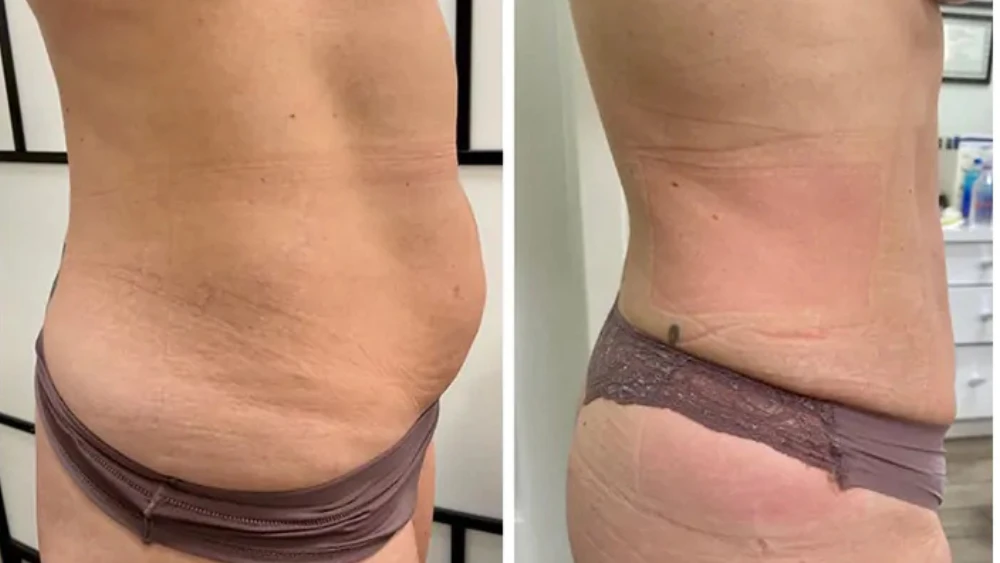
Cellulite doesn’t always look the same. Here are the most common signs:
- Dimpled or “orange peel” texture on thighs, buttocks, or hips
- Wavy or uneven skin surface that becomes more visible when you pinch the skin
- Loose or crepey skin in areas where you’ve lost weight
- Persistent dimples that don’t change much with exercise alone
- Heaviness or puffiness in the lower body, especially by evening
If you recognise two or more of these signs, an at-home body contouring device may be worth exploring as part of a broader self-care approach.
How It Works: Ultrasonic Cavitation + Radiofrequency
Understanding the technology helps you use it more effectively. Here’s what happens during a session with the LipoSculpt Pro Ultrasonic Cavitation Device + RF:
Ultrasonic Cavitation
The device emits low-frequency sound waves that create tiny vibrations in the fluid surrounding your fat cells. This process may help disrupt fat cell membranes, allowing your body to process the contents naturally through lymphatic drainage. It targets the subcutaneous fat layer — the same layer responsible for the visible dimpling you see on the surface.
Radiofrequency (RF) Skin Firming
After cavitation, RF energy gently heats the deeper layers of your skin. This controlled warmth can support collagen stimulation, which over time may help tighten and smooth the treated area. Many users notice their skin feels firmer and looks more even-toned after several weeks of consistent use.
Together, these two technologies create a comprehensive approach: cavitation addresses the fat layer while RF focuses on the skin’s surface and structure.
Featured Device
LipoSculpt Pro Ultrasonic Cavitation Device + RF
This dual-action device may help reduce the look of cellulite and support skin firming with regular use. Pair it with a conductive gel and a steady body sculpting routine for best results.
Myths vs Facts About At-Home Cavitation Devices
❌ Myth
“At-home devices can’t deliver real results — only professional treatments work.”
✅ Fact
While clinical machines are more powerful, the best cavitation and RF device for home use can provide noticeable improvements with consistent use over several weeks.
❌ Myth
“Cellulite is caused by toxins in your body.”
✅ Fact
Cellulite is a structural issue related to fat distribution and connective tissue — not toxin buildup. A skin tightening device targets the structural layer, not “detox.”
❌ Myth
“You can spot-reduce fat with a cavitation device.”
✅ Fact
Ultrasonic cavitation may help reduce the appearance of localised fat deposits, but your body processes the released contents systemically. It’s not true spot reduction.
❌ Myth
“One session is enough to see a difference.”
✅ Fact
Most people need 6–12 weeks of regular sessions before noticing visible changes. Patience and consistency are essential.
Common Mistakes to Avoid
Even the best device won’t help if you’re using it incorrectly. Watch out for these frequent errors:
- Skipping the conductive gel. The gel is essential for smooth gliding and proper energy transfer. Never use the device on dry skin.
- Overusing the device. More sessions don’t mean faster results. Stick to the recommended frequency — usually 2–3 times per week.
- Ignoring hydration. Drinking plenty of water before and after treatment helps your lymphatic drainage system process the released contents.
- Expecting overnight results. At-home body contouring is a gradual process. Give yourself at least 8 weeks before evaluating progress.
- Using it on contraindicated areas. Avoid bony areas, the face, neck, and any broken or irritated skin.
Who Should (and Shouldn’t) Use a Cavitation Device
Good candidates
- Women with mild to moderate cellulite looking for a non-invasive option
- Anyone wanting to complement their fitness and nutrition routine
- People who prefer at-home treatments over frequent clinic visits
Who should avoid it
- Pregnant or breastfeeding women
- People with pacemakers or metal implants in the treatment area
- Anyone with active skin conditions, open wounds, or infections
- Individuals with serious circulatory or liver conditions
When in doubt, consult your healthcare provider before starting any new body sculpting routine.
Step-by-Step: How to Use LipoSculpt Pro
Step 1 — Prepare your skin
Clean the treatment area thoroughly and pat dry. Remove any jewellery or accessories nearby.
Step 2 — Apply conductive gel
Apply a generous, even layer of ultrasound gel to the target area. This ensures proper contact and helps the device glide smoothly.
Step 3 — Cavitation mode
Turn on the ultrasonic cavitation function. Move the device in slow, circular motions over the treatment area for 15–20 minutes per zone. Keep the device in constant motion — never hold it still.
Step 4 — Radiofrequency mode
Switch to RF mode. Glide the device over the same area using upward, lifting strokes for 10–15 minutes. You should feel a gentle, comfortable warmth — this is the radiofrequency skin firming working to stimulate collagen.
Step 5 — Post-treatment care
Wipe away excess gel with a damp cloth. Drink a full glass of water to support lymphatic drainage. Moisturise the treated area if desired.
When to Seek Professional Advice
At-home devices are designed for cosmetic improvement, not medical treatment. You should consult a dermatologist or healthcare professional if:
- Your cellulite appeared suddenly or changed rapidly
- You experience pain, swelling, or unusual skin changes in the area
- You have a history of blood clots or circulatory disorders
- You’re unsure whether ultrasonic cavitation is appropriate for your situation
A professional can help you understand whether at-home treatments are a good fit or if clinical options would serve you better.
Frequently Asked Questions
Does the best cavitation and RF device for home use really work?
How long does it take to see results from a cavitation device?
How often should I use an at-home cavitation and RF device?
Who is an at-home cavitation device suitable for?
Can an RF skin tightening device help with cellulite on thighs?
Cellulite is a natural part of many people’s bodies, and there’s nothing wrong with wanting to smooth and firm your skin. The right at-home body contouring device, used consistently and correctly, may help you feel more confident in your skin over time.
With consistent use over several weeks — paired with hydration, movement, and patience — you can build a body sculpting routine that supports your goals. Start slowly, follow the protocol, and give your body time to respond.
Explore the LipoSculpt Pro Ultrasonic Cavitation Device + RF →
This article is for informational purposes only and does not replace professional medical advice. Individual results vary. Always consult a healthcare provider before beginning any new body-care routine.
You Might Also Like
LipoSculpt Pro Ultrasonic Cavitation Device + RF
ShapePro 3.0
ProKit
Results may vary. This article is for informational purposes only.