
What Exfoliating Does (and Why It’s a Total Game Changer for Your Skin)
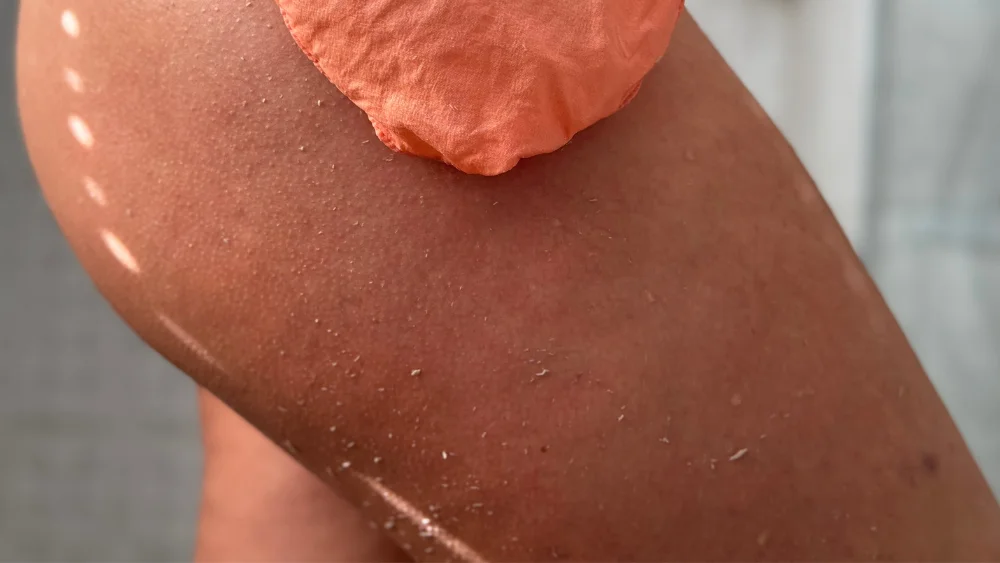
You know that feeling when your skin looks kinda dull, like no amount of moisturizer or glow drops can save it? Been there. The truth is — your skin might just need a little help shedding what’s already done its job. That’s where exfoliating comes in.
So, what does exfoliating actually do? And is it really as magical as everyone claims? Let’s talk about it — best-friend-style. 💬
So, What Exactly Is Exfoliating?
Exfoliating is basically helping your skin do what it already does naturally — remove dead skin cells.
Over time, these old cells pile up on the surface, making your skin look rough, dry, or uneven.
When you exfoliate (either physically with a glove or chemically with acids), you’re speeding up that renewal process. Think of it as hitting refresh on your skin — instantly smoother, brighter, and softer.
✨ In short: exfoliating helps remove dull, dead cells so new, fresh ones can shine through.
What Happens When You Don’t Exfoliate?
Let’s be real — most of us skip it. But when you do, you might notice:
-
Dry patches that no cream seems to fix
-
Breakouts or tiny bumps (hello, strawberry skin 👋)
-
Clogged pores and ingrown hairs
-
A general lack of glow
Your skincare products can even stop working properly because they can’t get past that layer of old skin. So if your expensive serums aren’t doing much lately… this might be why.
The Science Bit (Promise It’s Quick)
According to dermatologists, your skin naturally renews itself every 28–40 days depending on your age and lifestyle.¹
But things like pollution, makeup, and stress can slow that down. Regular exfoliation helps keep that process on track — encouraging cell turnover and collagen production.
And there’s research to back it up. A 2016 study in the Journal of Cosmetic Dermatology found that exfoliation improves hydration and smoothness by promoting faster cell regeneration.²
Types of Exfoliation (and What Works Best)
There are two main types:
1. Physical exfoliation
That’s your scrubs, brushes, or — my personal favorite — exfoliating glove.
It gently buffs away the dead layer using motion and texture. Perfect for body exfoliation, especially before shaving or self-tanning.
If your skin’s a bit tougher, try the raw silk exfoliating glove — it’s slightly more textured and amazing for areas like elbows, knees, or ingrown hairs.
2. Chemical exfoliation
These use acids (like AHAs or BHAs) to dissolve dead cells. They’re great for face care and acne-prone skin, but they need a little more caution — sunscreen is a must afterward.
What Exfoliating Does for Your Skin — The Real Benefits
Here’s where it gets exciting. With regular exfoliation, you’ll notice:
✨ Softer, smoother skin.
Your skin feels velvety — like it can actually breathe again.
🌿 A natural glow.
When dead skin’s gone, your healthy new cells reflect light better, giving that “I woke up like this” vibe.
🚿 Fewer ingrown hairs and smoother shaving.
Exfoliating before shaving lifts trapped hairs and prevents those little red bumps afterward.
💧 Better product absorption.
Serums, lotions, and oils can finally do their job when they’re not fighting through dead skin.
🌸 Helps fight body acne and clogged pores.
By clearing the surface, you’re keeping pores clean and reducing inflammation.
How Often Should You Exfoliate?
For your body — 1 to 2 times a week is perfect.
If you’re using an exfoliating glove, just step into a warm shower, wet your skin (no soap yet!), and gently scrub in circular motions. You’ll literally see the dead skin roll off — it’s oddly satisfying.
For sensitive skin or face, once a week is enough. The key is to listen to your skin. If it feels dry or irritated, ease up a bit.
My Honest Take — Why I’ll Never Skip It Again
I swear, the first time I tried an exfoliating glove, I was shocked (in a good way). My skin felt brand new, like I’d just had a spa treatment at home.
Even fake tan went on smoother, and my moisturizer actually sank in instead of sitting on top.
It’s one of those little habits that make a big difference — and once you start, you’ll never go back.
Quick Tips for the Best Results
-
Always exfoliate after a warm shower — soft skin = easier exfoliation.
-
Avoid using soap before exfoliating (it can reduce friction).
-
Moisturize right after to lock in hydration.
-
Keep your glove clean — rinse and hang it to dry after every use.
Final Thoughts
Exfoliating isn’t just about looking good — it’s about feeling good in your skin.
It’s self-care, but simple.
If you haven’t tried an exfoliating glove yet, start with the exfoliating glove for a soft, spa-like scrub or the raw silk exfoliating glove if you prefer something a little more intense.
Your future glowy self will thank you. 🌸
Sources:
-
American Academy of Dermatology. “How to exfoliate your skin.”
-
Journal of Cosmetic Dermatology (2016). “Effects of exfoliation on skin barrier and hydration.”