
Vacuum therapy vs cupping for cellulite: Which is right for you?
Understanding vacuum therapy vs cupping for cellulite reduction
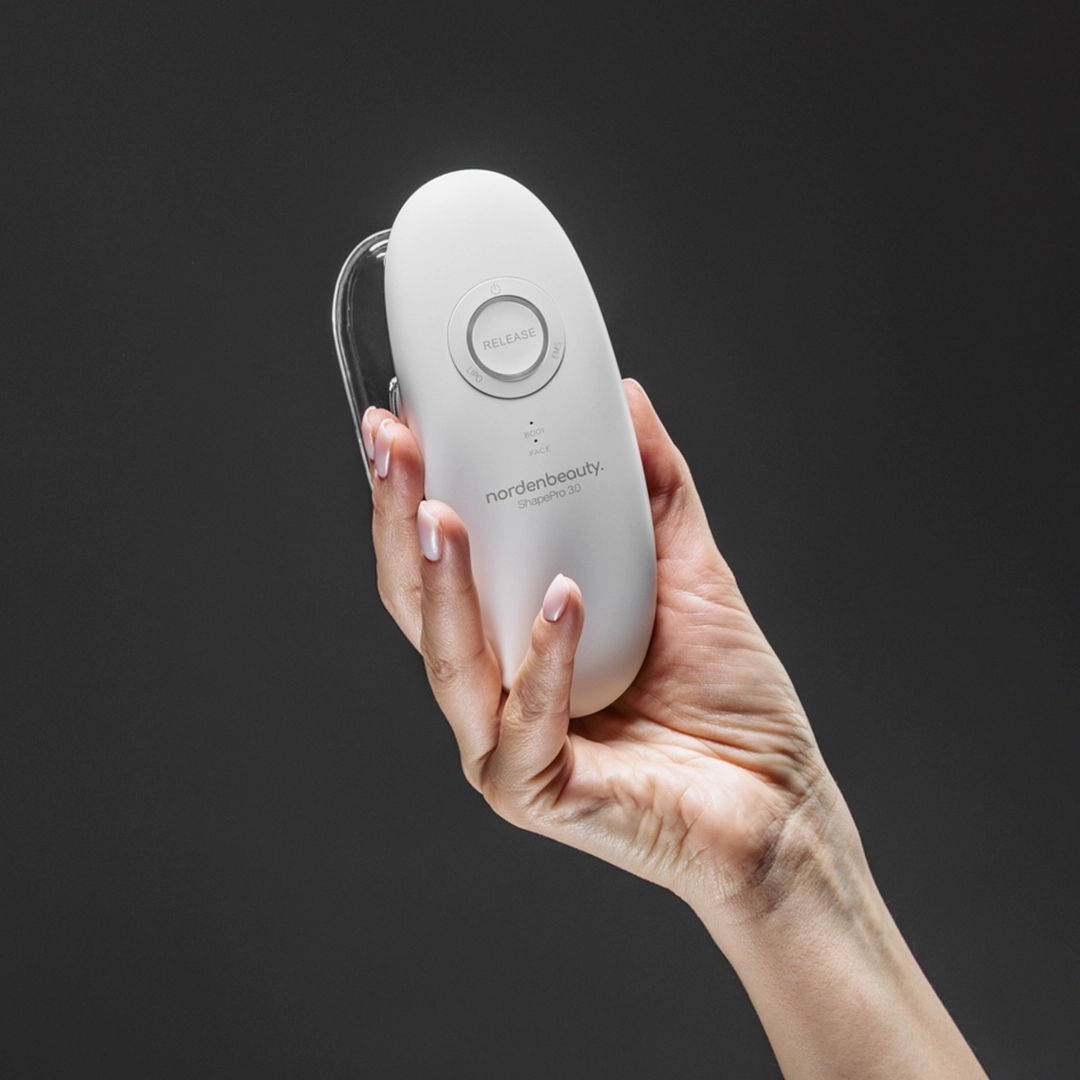
When it comes to smoothing skin texture, many individuals find themselves comparing vacuum therapy vs cupping for cellulite. Both methods utilize suction to stimulate the skin and underlying tissues, but they differ significantly in application and technology. While traditional cupping focuses on static or manual movement, modern vacuum therapy often integrates advanced features to enhance the experience. Products like the ShapePro 3.0 bridge these worlds by offering a sophisticated approach to body sculpting at home.
- Both methods aim to improve blood circulation and lymphatic drainage.
- Vacuum therapy often uses mechanical suction, while cupping can be manual.
- Consistency is more important than the intensity of the suction.
- Integrating red light or EMS can complement the effects of suction.
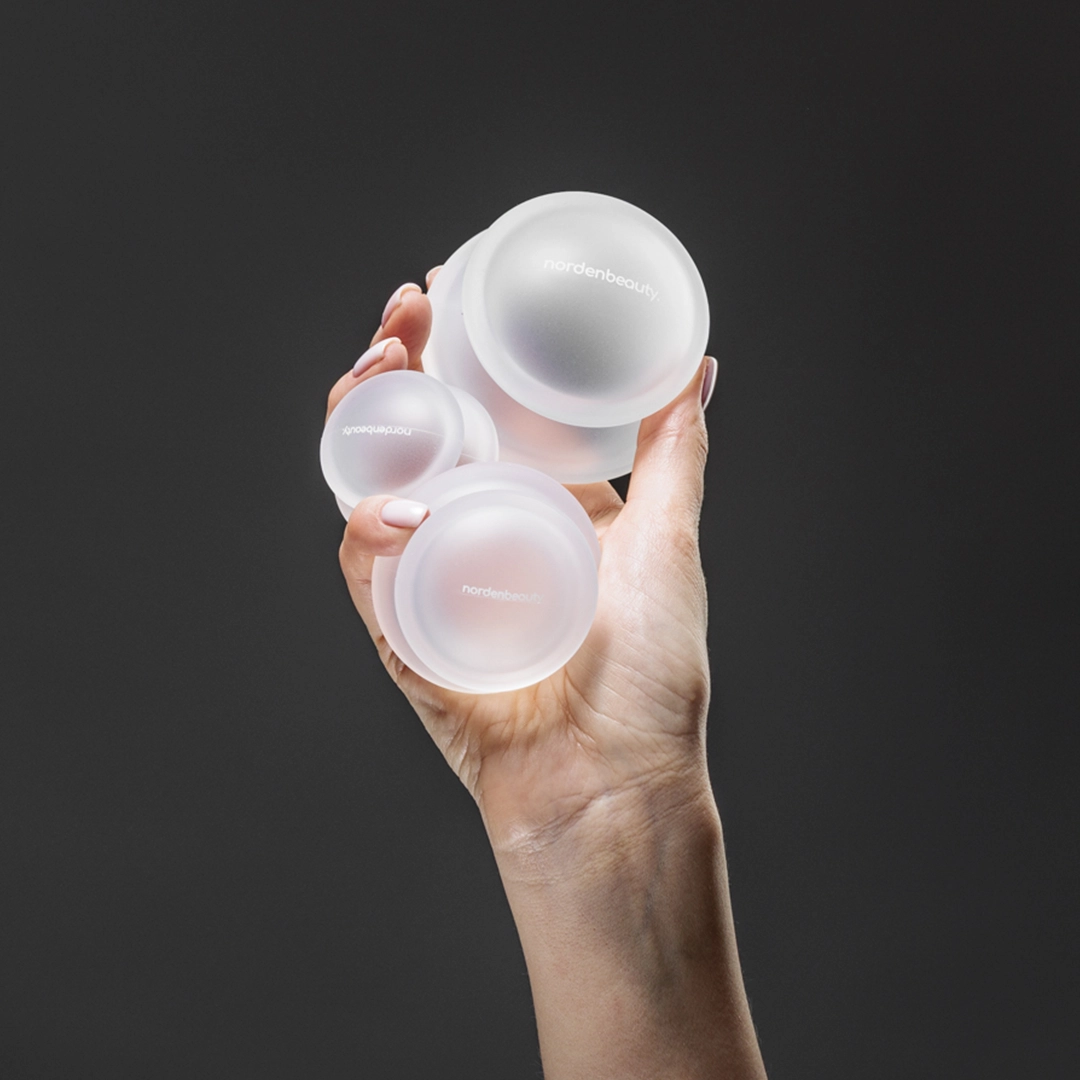
Choosing between these methods depends on your lifestyle and goals. Traditional techniques, such as using a Body Cupping Set, offer a tactile, manual way to address tension and skin smoothness. However, for those seeking a more automated and multi-faceted approach, the ShapePro 3.0 combines vacuum suction with red light therapy and EMS technology. This combination is designed to support collagen production and improve skin elasticity more efficiently than manual methods alone.
How it works
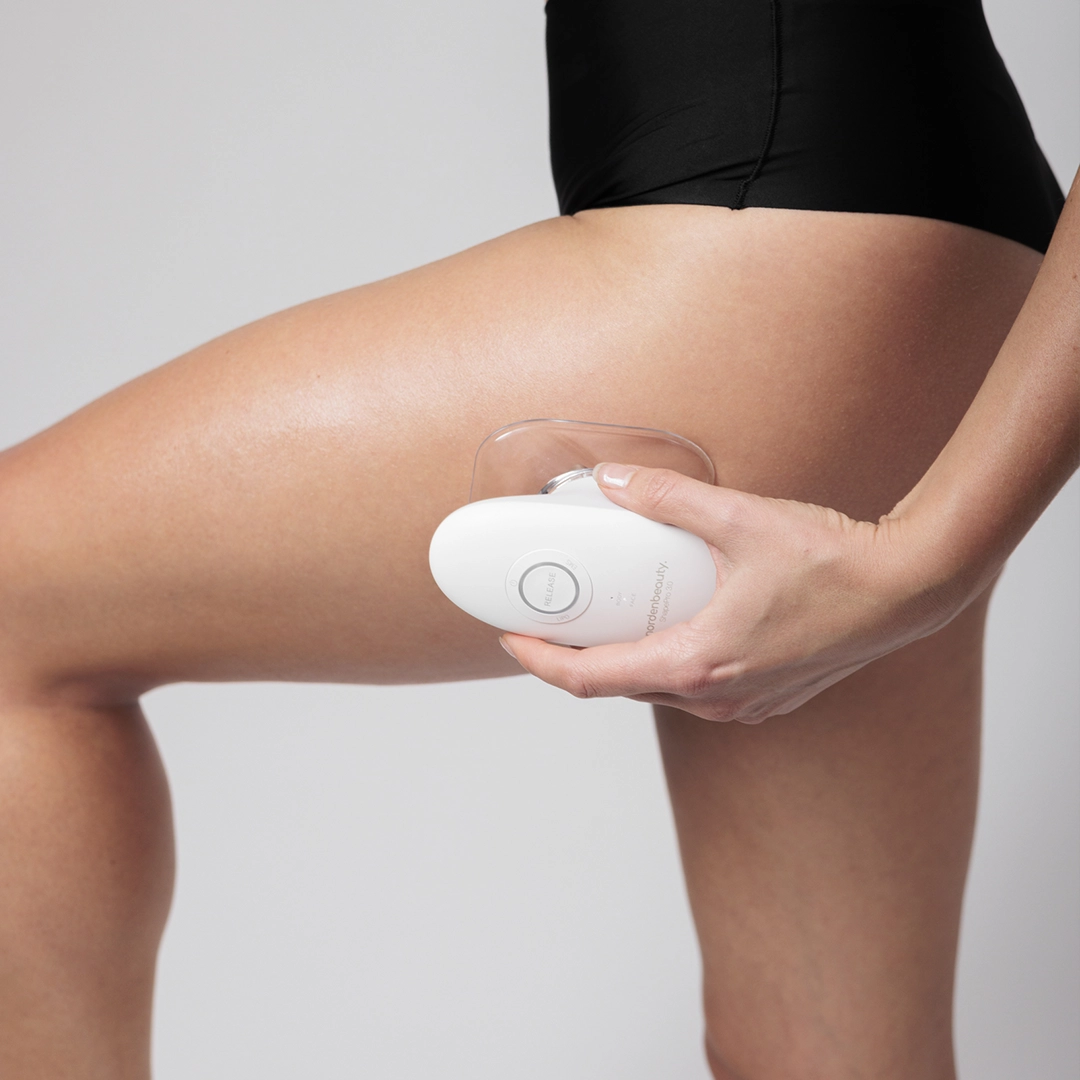
Suction therapy works by creating a localized vacuum on the skin’s surface. This action gently lifts the tissue, which may help to decompress the area and encourage better fluid flow. By stimulating the lymphatic system, these treatments can assist the body in flushing out metabolic waste. Vacuum therapy typically uses a motorized pump to maintain consistent pressure, whereas cupping relies on silicone or glass cups to create a seal.
Why compare vacuum therapy vs cupping for cellulite?
Evidence suggests that regular stimulation of the skin can lead to a temporary reduction in the appearance of dimpling. By increasing blood flow to the area, both vacuum therapy and cupping may help to soften the fibrous bands under the skin that contribute to the “orange peel” look. Furthermore, when these treatments are paired with heat—such as the gentle warmth from an Infrared Sauna Blanket 2.0 | PREMIUM—the overall relaxation of the tissue may be enhanced. Learn more about the benefits of infrared therapy.
Myths vs Facts
| Myth | Fact |
|---|---|
| Results are permanent after one session. | Consistency over several weeks is required for visible changes. |
| It must hurt to be effective. | Bruising or pain is not necessary; gentle suction is often safer. |
| Suction “melts” fat away. | Suction improves skin texture and drainage, but does not eliminate fat cells. |
Common Mistakes
One of the most frequent errors is using too much suction too quickly, which can lead to broken capillaries or skin irritation. Another mistake is failing to use a lubricant, such as a light body oil, which allows the device or cup to glide smoothly without dragging the skin. Finally, many users are inconsistent; these wellness practices are most effective when integrated into a regular weekly routine rather than used sporadically.
What to Expect
During a session with a device like the ShapePro 3.0, you will feel a tugging sensation as the vacuum engages. This should feel like a deep massage. Afterward, the area may appear slightly pink due to increased blood flow. This is normal and typically fades within an hour. Over time, users often report that their skin feels firmer and looks more toned, provided they maintain a healthy lifestyle and hydration.
When to Seek Medical Advice
While non-invasive body tools are generally safe for home use, you should consult a professional if you have a history of blood clots, severe varicose veins, or skin infections. If you are pregnant or have an active medical condition, a quick conversation with your doctor ensures that suction-based therapies are appropriate for your specific needs.
FAQ
Is vacuum therapy vs cupping for cellulite more effective for beginners?
Vacuum therapy is often easier for beginners because modern devices provide controlled pressure settings, reducing the guesswork associated with manual cupping.
How often should I use vacuum therapy?
Most experts suggest starting with 2-3 sessions per week, allowing at least 24 hours between treatments for the skin to recover.
Can I use these methods on my face?
Only if the device is specifically designed for it. Some tools include a dedicated EMS function for the face to support elasticity without the high suction used on the body.
Does suction therapy help with water retention?
Yes, by stimulating the lymphatic system, these methods can help move excess fluid, which may reduce temporary bloating and puffiness.
Products You Might Also Like

Disclaimer: The information provided is for educational purposes and is not intended as medical advice. These products are not intended to diagnose, treat, cure, or prevent any disease. Results may vary. Always consult with a healthcare professional before starting new wellness treatments.