
Understanding Cellulite on legs: Causes and Modern Care Strategies
Managing the Appearance of Cellulite on legs
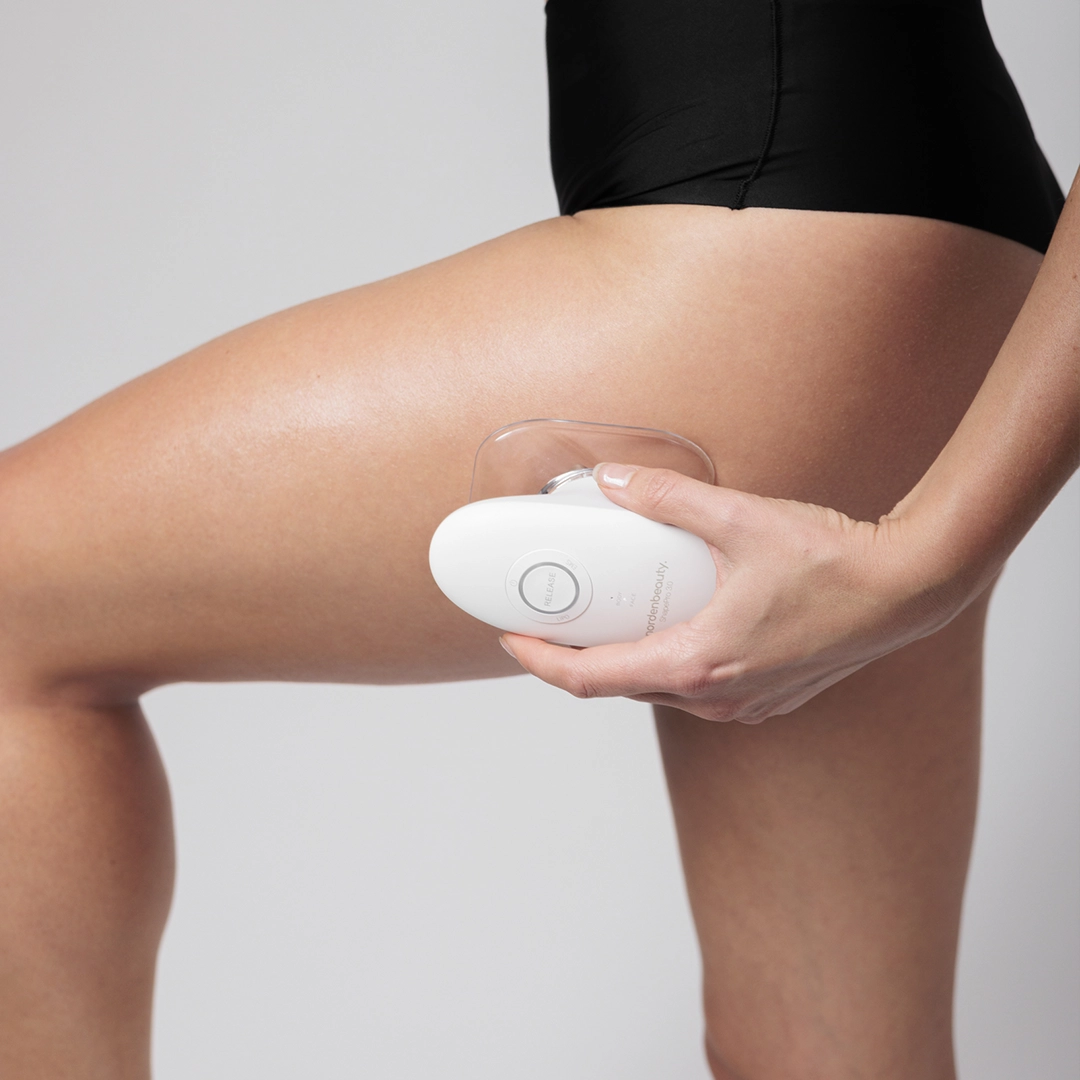
Finding the presence of cellulite on legs is a common experience for many, regardless of fitness level or body type. While it is a natural structural variation of the skin, many individuals seek ways to improve skin texture and tone for a smoother appearance. Understanding the underlying causes—ranging from collagen structure to local circulation—is the first step toward effective management. Modern solutions like the ShapePro 3.0 offer a non-invasive approach to body sculpting by combining multiple technologies designed to support the skin’s natural resilience.
- Cellulite is a normal skin variation caused by fat deposits pushing through connective tissue.
- Improving local circulation and collagen production can help soften the appearance of dimples.
- Non-invasive tools like vacuum therapy and EMS provide a practical at-home alternative to clinical visits.
- Hydration and lymphatic support are essential components of any leg care routine.
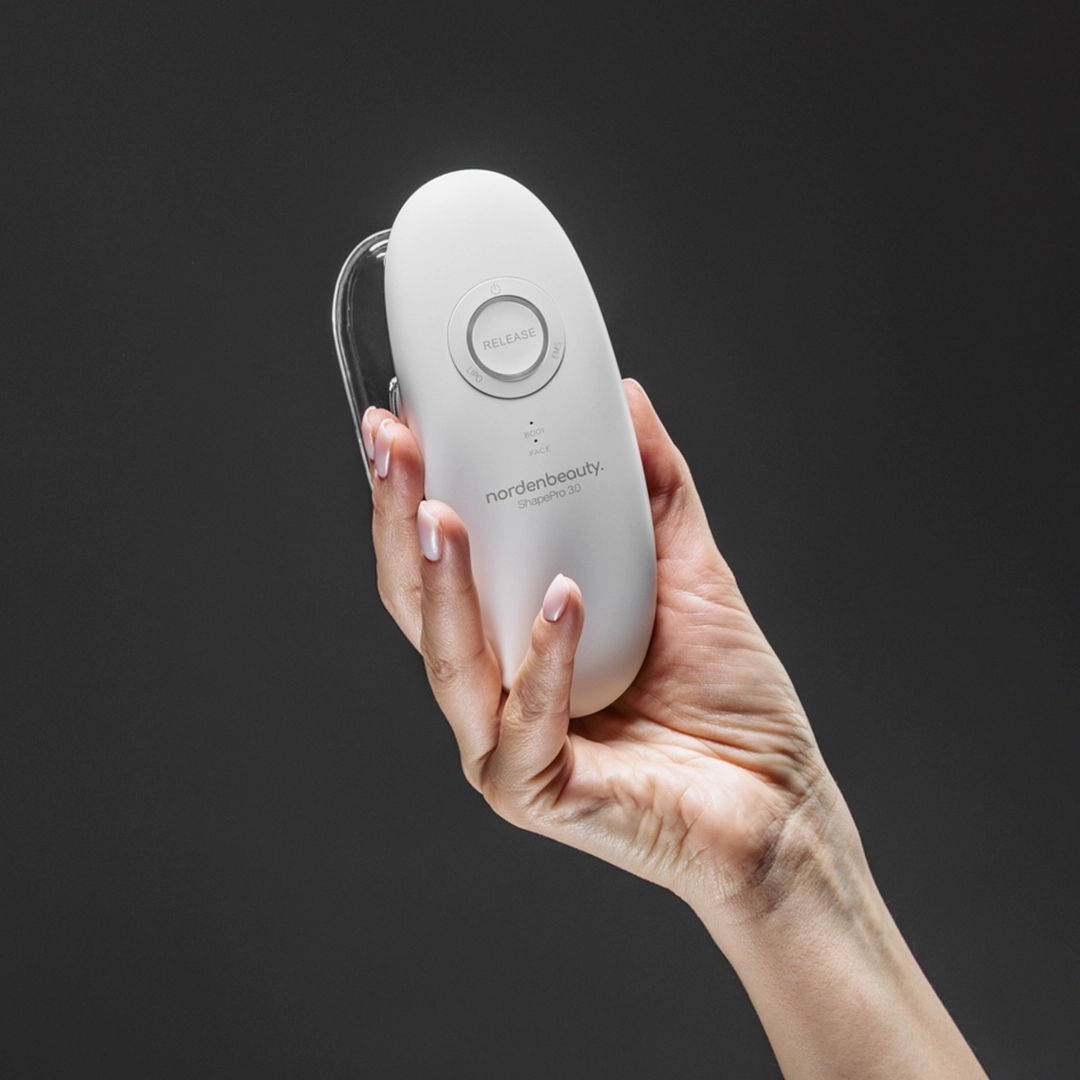
Consistency is the cornerstone of any wellness journey. When addressing the skin’s texture, incorporating a device like the ShapePro 3.0 into your weekly routine can help stimulate the layers beneath the surface. By utilizing vacuum therapy and red light, this device works to encourage better blood flow, which is often a contributing factor to the visibility of uneven skin. For those focusing on specific areas, the Infrared for Belly and Thighs Combo can also serve as a supportive tool for maintaining skin warmth and metabolic activity.
How Skin Texture Management Works
The appearance of “orange peel” skin occurs when the connective bands (septa) beneath the skin pull down while fat cells push upward. To address this, modern wellness devices focus on three pillars: mechanical stimulation, thermal energy, and electrical muscle stimulation (EMS). Mechanical stimulation, such as vacuum therapy, helps to physically manipulate the tissue, which may assist in smoothing the appearance of the skin surface. Thermal energy, often delivered via red light, supports the skin’s natural repair processes.
How Modern Technology May Help With Cellulite on legs
Addressing cellulite on legs requires a multi-faceted approach. Evidence suggests that increasing local circulation can help the body more efficiently manage fluid retention, which often exacerbates the look of dimpled skin. Devices that incorporate EMS technology can help tone the underlying muscle structure, providing a firmer “base” for the skin to rest upon. Furthermore, the LipoSculpt Pro Ultrasonic Cavitation Device + RF can be used alongside these methods to focus on skin elasticity through radiofrequency technology.
Learn more about the science of light-based wellness at News Medical.
Myths vs. Facts
| Myth | Fact |
|---|---|
| Only “out of shape” people get cellulite. | Cellulite affects up to 90% of women, including athletes and those with low body fat. |
| Drinking water cures cellulite. | Hydration improves skin elasticity but cannot fully eliminate the structural cause. |
| Creams can permanently remove dimples. | Creams only offer temporary surface hydration; deep tissue stimulation is more effective. |
Common Mistakes in Leg Care
Many people approach the care of their legs with overly aggressive methods. Using excessive pressure during dry brushing or massage can cause bruising rather than results. Another common mistake is expecting instant changes; skin cell turnover and collagen remodeling take time. Finally, neglecting the lymphatic system—the body’s natural drainage network—can lead to fluid buildup that makes skin irregularities more prominent.
What to Expect
When using tools like the ShapePro 3.0, users typically notice an immediate “glow” due to increased blood flow. Over a period of 4 to 8 weeks of consistent use, the skin may appear tighter and more toned. It is important to remember that these results are cumulative. Maintaining a balanced diet and regular movement will complement the effects of any technological intervention.
When to Seek Medical Advice
While cellulite is a cosmetic concern, sudden changes in skin texture, pain in the legs, or extreme swelling should be evaluated by a healthcare professional. These could be signs of underlying circulatory or lymphatic issues that require medical diagnosis rather than cosmetic care.
Frequently Asked Questions
Does infrared therapy help with cellulite on legs?
Infrared and red light therapy may help by supporting collagen production and improving local circulation, which can lead to a smoother skin appearance over time.
How often should I use the ShapePro 3.0?
For best results, we recommend using the device 3–4 times per week on the targeted areas, ensuring you stay hydrated before and after sessions.
Is vacuum therapy painful?
When used correctly at a comfortable setting, vacuum therapy should feel like a deep massage. It is always best to start with the lowest intensity.
Can I use these devices if I have varicose veins?
If you have visible varicose veins or other vascular conditions, it is essential to consult with your doctor before using massage or vacuum-based devices.
Products You Might Also Like
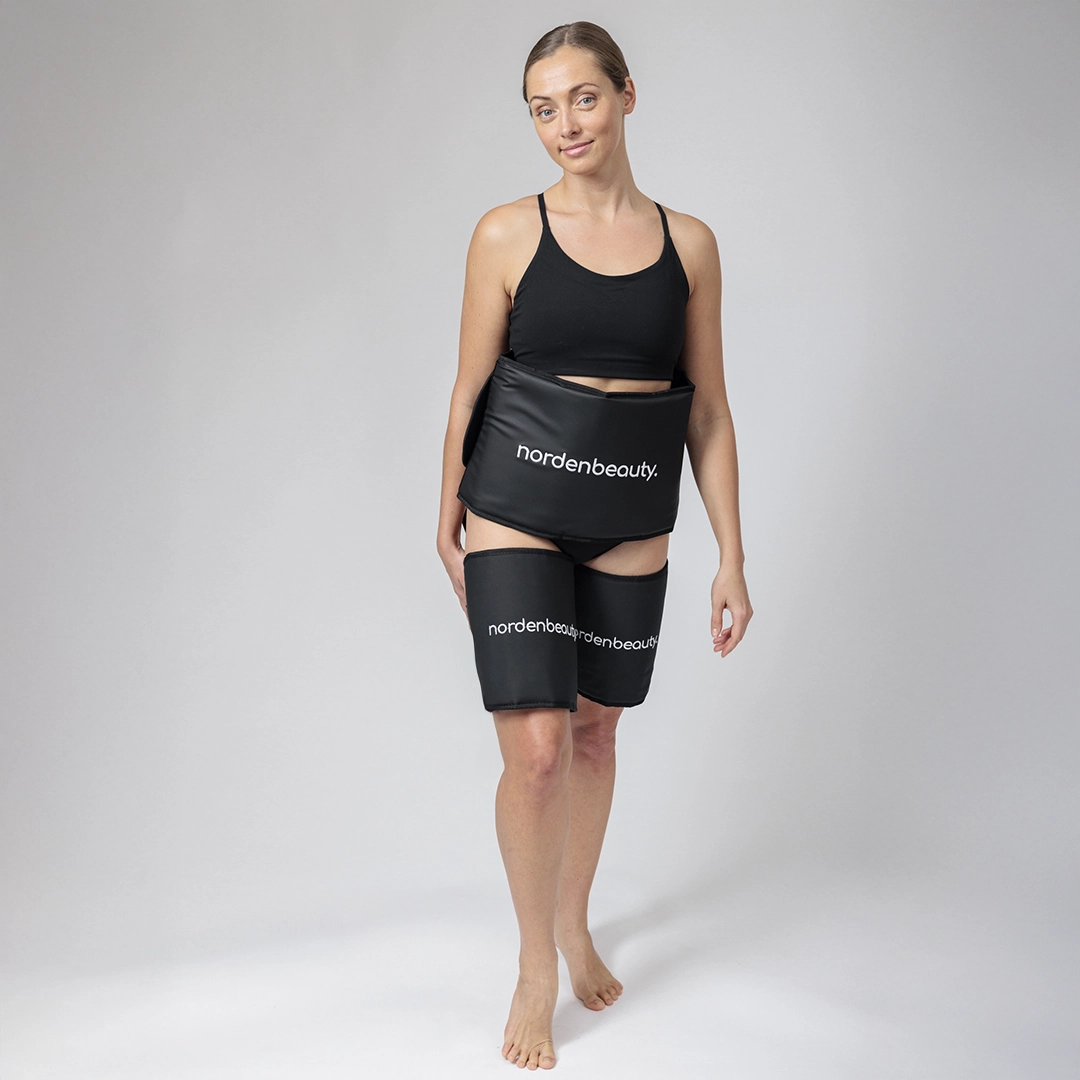

LipoSculpt Pro Ultrasonic Cavitation Device + RF
Disclaimer: The information provided is for educational purposes only and does not constitute medical advice. These products are not intended to diagnose, treat, or cure any medical condition. Always consult with a qualified healthcare professional before starting any new wellness device or treatment.