
Lipoedema vs Cellulite: What Is the Difference? Essential Facts
In this article
- Lipoedema vs Cellulite: What Is the Difference?
- Signs You Might Be Dealing With Lipoedema or Cellulite
- How Infrared Sauna Blankets Work for Body Contouring
- Myths vs Facts
- Common Mistakes to Avoid
- Who Should (and Shouldn’t) Use an Infrared Sauna Blanket
- Step-by-Step: How to Use Infrared Sauna Blanket 2.0 | PREMIUM
- When to Seek Professional Advice
- Frequently Asked Questions
Key takeaways
- Lipoedema is a chronic fat distribution disorder, while cellulite is a cosmetic skin texture concern.
- Infrared sauna blankets may support lymphatic drainage and improve circulation for both conditions.
- Consistent at-home body contouring routines can help reduce the appearance of cellulite over time.
- Understanding the difference between lipoedema and cellulite helps you choose the right approach.
- Always consult a healthcare professional if you suspect lipoedema, as early intervention matters.
Lipoedema vs Cellulite: What Is the Difference?
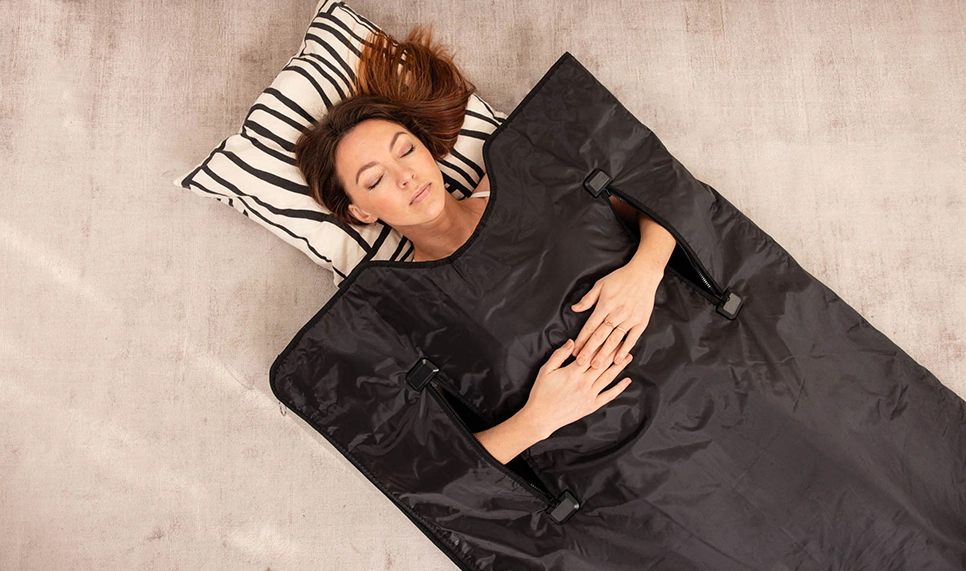
If you have ever wondered about lipoedema vs cellulite what is the difference, you are not alone. Many women notice uneven skin texture or stubborn areas of fat and assume it is all the same thing. But lipoedema and cellulite are distinct conditions with different causes, symptoms, and care paths. Understanding the difference can save you time, money, and frustration. Individual results vary; this is for informational purposes only. For supportive at-home care, many women explore tools like the Infrared Sauna Blanket 2.0 | PREMIUM as part of their body sculpting routine.
Lipoedema is a chronic condition involving abnormal fat distribution, typically in the legs, thighs, and sometimes arms. It often runs in families and tends to worsen over time. The affected areas may feel heavy, tender, or painful to the touch. Importantly, lipoedema fat does not respond well to diet or exercise alone.
Cellulite, on the other hand, is a cosmetic concern caused by subcutaneous fat pushing against connective tissue beneath the skin. This creates the familiar dimpled or “orange peel” texture. Cellulite is extremely common — up to 90% of women experience it at some point. It is not a medical condition and does not typically cause pain.
The key distinction? Lipoedema involves a disproportionate buildup of painful fat tissue, often with easy bruising. Cellulite is surface-level skin dimpling that can appear on the thighs, buttocks, and abdomen regardless of body weight. Knowing which one you are dealing with shapes your entire approach to care.
Signs You Might Be Dealing With Lipoedema or Cellulite
Recognising the signs early helps you take informed action. Here is what to look for:
Signs of lipoedema:
- Symmetrical swelling in both legs or arms, sparing the feet and hands
- Pain or tenderness in the affected areas
- Easy bruising, even from light pressure
- A column-like shape to the legs, with hips and thighs disproportionately larger
- No improvement despite healthy eating and regular exercise
- A feeling of heaviness that worsens throughout the day
Signs of cellulite:
- Dimpled or bumpy skin texture on thighs, buttocks, or abdomen
- Appearance that worsens when you pinch the skin
- No pain or tenderness in most cases
- Can occur at any body weight or fitness level
- Often more visible in certain lighting or positions
If your symptoms lean toward lipoedema, consider speaking with your GP. A proper diagnosis makes a real difference. For cellulite, at-home body contouring tools may help improve skin texture as part of a consistent routine.
How Infrared Sauna Blankets Work for Body Contouring
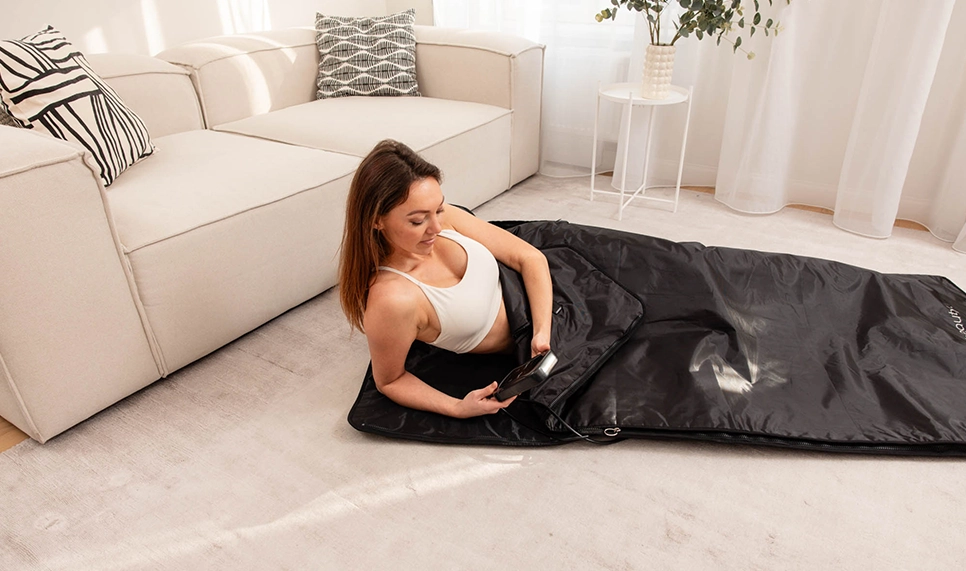
Infrared sauna blankets use deep-penetrating heat to warm your body from the inside out. Unlike traditional saunas that heat the air around you, infrared energy reaches deeper into muscle and tissue. This process may help increase circulation, support lymphatic drainage, and promote collagen stimulation over time.
For women dealing with cellulite, improved blood flow and lymphatic drainage can help reduce fluid retention and support smoother-looking skin. The gentle heat also encourages your body’s natural detoxification processes through sweat, which many users find both relaxing and rejuvenating.
When it comes to lipoedema, infrared therapy may help ease discomfort by reducing inflammation and improving circulation in affected areas. While it will not remove lipoedema fat, it can be a comforting addition to your self-care routine. Research on cellulite causes and treatments continues to evolve, and heat-based therapies are gaining attention as complementary approaches.
Many women notice changes within a few weeks of consistent use. However, lasting results typically require patience and regular sessions as part of a broader body sculpting routine.
Featured Device
Infrared Sauna Blanket 2.0 | PREMIUM
This at-home infrared sauna blanket may help support circulation and lymphatic drainage, two factors linked to smoother-looking skin. With consistent use, it can become a relaxing part of your reduce cellulite routine.
Myths vs Facts
There is a lot of confusion around both conditions. Let us set the record straight:
Myth
“Cellulite only affects people who are overweight.”
Fact
Cellulite can appear at any size or fitness level. It is influenced by genetics, hormones, and skin structure — not just body weight.
Myth
“Lipoedema is just stubborn fat that diet can fix.”
Fact
When exploring lipoedema vs cellulite what is the difference, this is a critical point. Lipoedema fat does not respond to calorie restriction. It is a medical condition that may require clinical intervention.
Myth
“Lipoedema is the same as water retention.”
Fact
Lipoedema involves abnormal fat tissue, not excess fluid. While lymphatic drainage techniques may help manage symptoms, the underlying issue is fat distribution.
Myth
“Infrared sauna blankets melt fat instantly.”
Fact
No at-home device can instantly melt fat. Infrared blankets may support circulation and the body’s natural processes, but visible changes take time and consistency.
Common Mistakes to Avoid
Whether you are dealing with cellulite, lipoedema, or both, these missteps can slow your progress:
- Overusing devices — more sessions do not mean faster results. Stick to the recommended frequency for your skin tightening device.
- Skipping hydration — infrared therapy promotes sweating. Drink water before and after each session to support your body.
- Expecting overnight changes — at-home body contouring is a gradual process. Give yourself at least four to six weeks before assessing progress.
- Ignoring professional advice — if you suspect lipoedema, self-treatment alone is not enough. A medical diagnosis guides your care plan.
- Using the wrong temperature — starting too high can cause discomfort. Begin at a lower setting and increase gradually as your body adjusts.
Who Should (and Shouldn’t) Use an Infrared Sauna Blanket
Infrared sauna blankets are generally safe for most healthy adults. They may be a good fit if you:
- Want to support your skin’s appearance through improved circulation
- Are looking for a relaxing addition to your body sculpting routine
- Experience mild cellulite and want a non-invasive at-home option
- Have early-stage lipoedema and want to complement medical care with comfort-focused therapy
However, you should avoid using an infrared sauna blanket if you:
- Are pregnant or breastfeeding
- Have a cardiovascular condition without medical clearance
- Have open wounds or active skin infections
- Are heat-sensitive or have a condition that impairs sweating
- Have recently had surgery (wait until fully cleared by your doctor)
When in doubt, check with your healthcare provider before starting any new at-home treatment.
Step-by-Step: How to Use Infrared Sauna Blanket 2.0 | PREMIUM
Getting the most from your infrared sauna blanket is simple. Follow this protocol for a comfortable, effective session:
Step 1: Hydrate and prepare
Drink a full glass of water 20–30 minutes before your session. Lay the blanket flat on a comfortable surface — your bed or a yoga mat works well. Set your desired temperature (start at level 1 if you are new).
Step 2: Position yourself
Wear lightweight, breathable clothing or wrap yourself in a thin towel. Slide into the blanket and zip it closed. Make sure your arms are comfortable inside the blanket.
Step 3: Start at a lower temperature
Begin at a moderate setting, around 45–55°C. Let your body adjust to the warmth for the first 10 minutes. You can gradually increase the temperature as you become more comfortable.
Step 4: Relax for 30–45 minutes
Close your eyes, breathe deeply, and let the infrared heat work. This is your time. Many women use this window for meditation, podcasts, or simply resting. Avoid using your phone — the heat may damage electronics.
Step 5: Cool down and rehydrate
After your session, turn off the blanket and allow your body to cool naturally for 5–10 minutes. Drink another glass of water. A lukewarm shower can help rinse away sweat and leave your skin feeling refreshed.
Step 6: Clean your blanket
Wipe the interior with a gentle antibacterial cloth after each session. This keeps your device fresh and hygienic for the next use.
When to Seek Professional Advice
At-home devices like the Infrared Sauna Blanket 2.0 | PREMIUM can be a wonderful complement to a healthy lifestyle, but they have limits. If you notice rapid swelling, increasing pain, or significant changes in the size or texture of your legs or arms, book an appointment with your GP.
Lipoedema, in particular, benefits from early clinical assessment. Treatments like manual lymphatic drainage, compression therapy, or in some cases surgical consultation may be recommended alongside your at-home routine.
For cellulite, a dermatologist can help you understand your options if at-home approaches are not delivering the results you hoped for. There is no single solution — but combining professional guidance with consistent self-care gives you the strongest foundation.
Understanding lipoedema vs cellulite what is the difference empowers you to make informed choices about your body. Whether you are managing one condition or both, the right knowledge — paired with supportive tools — can make a meaningful difference in how you feel in your skin.
With consistent use over several weeks, many women notice gradual improvements in skin texture and overall comfort. The Infrared Sauna Blanket 2.0 | PREMIUM is designed to fit seamlessly into your evening routine, giving you a moment of warmth and wellness whenever you need it.
Explore the Infrared Sauna Blanket 2.0 | PREMIUM →
You Might Also Like
Infrared Sauna Blanket 2.0 | PREMIUM
LipoSculpt Pro Ultrasonic Cavitation Device + RF
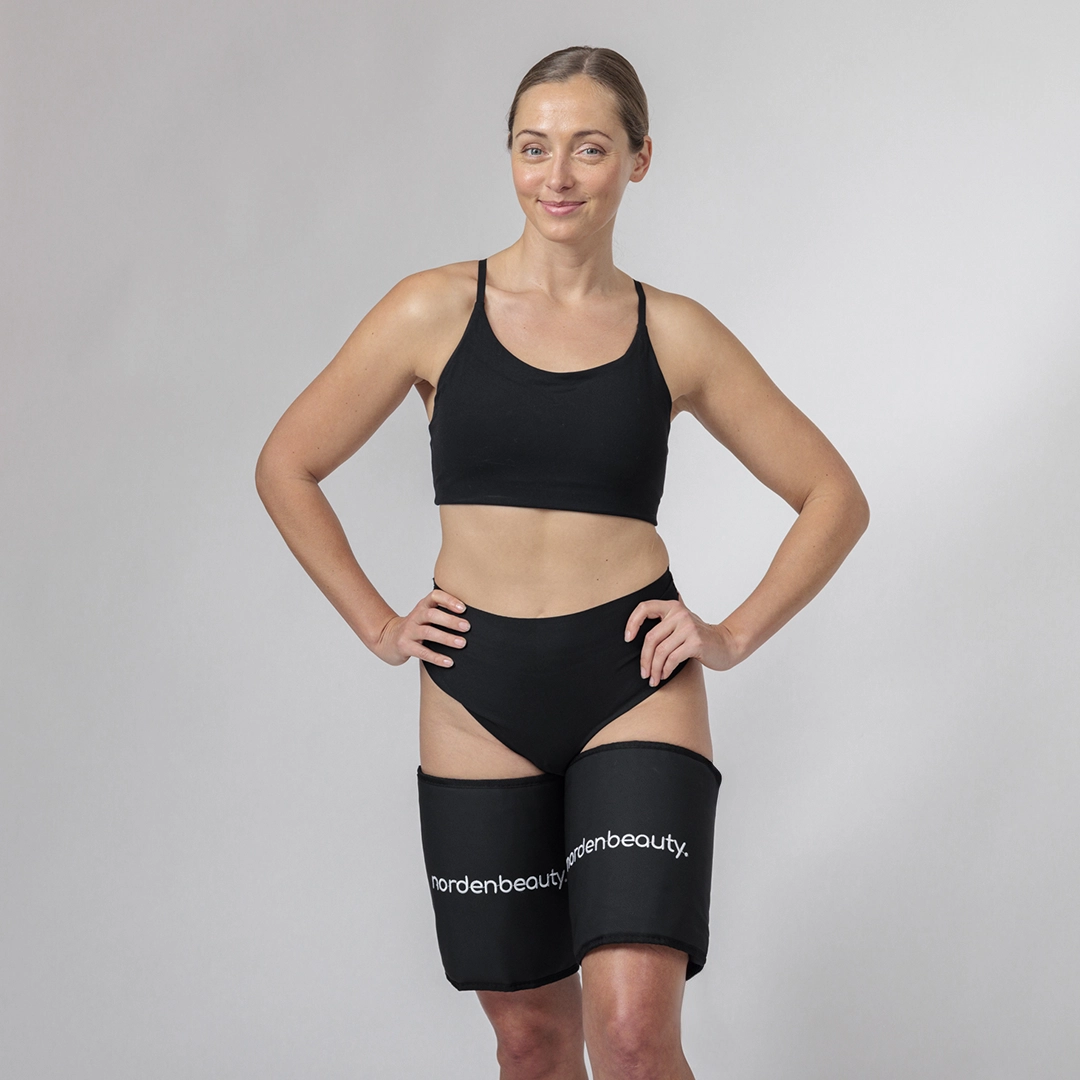
Infrared Belt for Thighs
Results may vary. This article is for informational purposes only.
Frequently Asked Questions
Does an infrared sauna blanket really help with cellulite and lipoedema?
Many people ask about lipoedema vs cellulite what is the difference before choosing a treatment. Infrared sauna blankets may help improve circulation and support lymphatic drainage, which can benefit both conditions. However, they are not a cure. Consistent use as part of a healthy routine is key, and results vary from person to person. Always consult a professional for a proper diagnosis.
How long does it take to see results from an infrared sauna blanket?
Most users notice subtle changes — such as smoother skin and reduced puffiness — within three to six weeks of regular use. For more visible improvements in cellulite appearance, consistent sessions two to four times per week over two to three months are typically recommended. Patience and routine matter more than intensity.
How often should I use my infrared sauna blanket?
Three to five sessions per week is a common recommendation for most adults. Beginners should start with two to three sessions weekly at a lower temperature, then gradually increase frequency and heat. Always allow rest days between sessions and stay well hydrated throughout.
Who is an infrared sauna blanket suitable for?
Infrared sauna blankets suit most healthy adults looking to support circulation, relaxation, and skin appearance. They may benefit those with mild cellulite or early-stage lipoedema as a complement to professional care. Avoid use if you are pregnant, have cardiovascular conditions, or have open skin wounds. Consult your doctor if unsure.
This article is for informational purposes only and does not replace professional medical advice. Individual results vary. Always consult a healthcare provider before beginning any new body-care routine.