
Lipedema vs Lymphedema – How to Tell the Difference
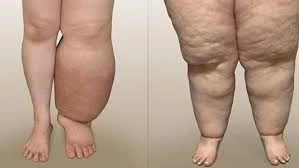
Lipedema and lymphedema are two conditions that are often mistaken for each other — and it’s easy to see why. Both cause swelling, changes in body shape, and discomfort in the legs. But while they might look similar at first, they are very different in how they develop, feel, and respond to treatment.
Understanding which one you’re dealing with is the first step toward finding relief and creating an effective care routine.
What Is Lipedema?
Lipedema is a chronic condition where fat cells accumulate abnormally, most often in the legs, thighs, hips, and sometimes the arms. The cause is not completely understood, but it’s believed to be related to hormonal and genetic factors.
The key thing to remember: lipedema fat is resistant to diet and exercise. Even if you lose weight elsewhere, the lower body often stays disproportionately larger. It can also cause tenderness, heaviness, and easy bruising.
Symptoms typically include:
-
Symmetrical fat buildup on both legs (and sometimes arms)
-
Soft, nodular fat tissue
-
Normal-looking feet with a distinct “cuff” at the ankles
-
Pain or sensitivity when touched
-
No significant response to dieting
What Is Lymphedema?
Lymphedema, on the other hand, is caused by a blockage or damage in the lymphatic system — the network that drains fluid from tissues. When lymph fluid can’t circulate properly, it builds up, leading to swelling, stiffness, and sometimes skin thickening.
Unlike lipedema, lymphedema often affects only one leg or arm (though it can be both in some cases). It’s usually triggered by surgery, infection, or trauma that disrupts lymphatic drainage.
Typical signs include:
-
Swelling that may start in the foot and spread upward
-
Heaviness or tightness in the limb
-
Skin that feels firm or fibrotic
-
Reduced mobility or flexibility in the affected area
-
Indentations (“pitting”) when pressing the skin
The Key Differences Between Lipedema and Lymphedema
| Feature | Lipedema | Lymphedema |
|---|---|---|
| Cause | Hormonal/genetic fat accumulation | Lymphatic drainage dysfunction |
| Onset | Usually gradual, often during puberty or hormonal changes | Can appear suddenly after injury, infection, or surgery |
| Distribution | Symmetrical on both sides (legs or arms) | Often asymmetrical, affecting one limb |
| Feet | Typically not swollen | Usually swollen, including the feet |
| Pain/Tenderness | Common, especially when pressed | May feel heavy or tight, not typically painful to touch |
| Skin Texture | Soft, uneven, dimply | Thickened, firm, may show skin folds |
| Response to Diet | Little or no change | May improve slightly with reduced inflammation |
| Bruising | Very common | Less common |
Understanding these differences helps you and your healthcare provider find the right approach for your symptoms.
Can You Have Both Lipedema and Lymphedema?
Yes — and this is more common than people think. When lipedema progresses, it can lead to secondary lymphedema, called lipo-lymphedema. This happens when the excess fat tissue and inflammation begin to overwhelm the lymphatic system, causing fluid buildup.
If you notice swelling in your feet or ankles — something that wasn’t there before — it may be a sign that lipedema has advanced into lipo-lymphedema. Early management can help prevent this progression.
Caring for Your Legs: Supportive Practices That Help Both
While lipedema and lymphedema are different, both benefit from improved circulation, gentle movement, and consistent self-care.
1. Promote Lymphatic Flow
Gentle, rhythmic massage or cupping can stimulate lymph drainage and help relieve the feeling of heaviness. Try using the Body Cupping Set a few times a week to help release tension and support fluid movement.
Pair it with light activity such as walking or swimming — low-impact exercises that encourage lymphatic flow without overstraining the legs.
2. Use Infrared Heat for Circulation
Infrared heat therapy improves microcirculation, relaxes tissue, and supports lymphatic drainage.
-
The Infrared Belt for Thighs and Legs is ideal for targeting heavy or swollen areas.
-
For full-body therapy, the Infrared Sauna Blanket 2.0 Premium enhances detoxification, supports relaxation, and helps the lymphatic system function more efficiently.
3. Maintain Healthy Skin and Circulation
Skin elasticity and texture can change with both conditions. Regular exfoliation keeps the skin smooth, supports blood flow, and prepares it for moisturizers or compression wear.
-
For deeper exfoliation, use the Exfoliating Glove once a week.
-
For sensitive skin, choose the Raw Silk Exfoliating Glove for a gentler experience.
After exfoliating, apply a nourishing cream or oil and massage in upward motions to help with circulation and lymph flow.
When to Seek Professional Help
If you’re unsure whether you have lipedema, lymphedema, or both, it’s best to see a vascular or lymphatic specialist. Diagnosis may involve physical examination, ultrasound, or lymphoscintigraphy to assess tissue and fluid buildup.
Early diagnosis can make treatment far more effective and prevent further progression.
Final Thoughts
Lipedema and lymphedema may look similar, but understanding their differences can completely change how you care for your body.
While lipedema focuses on managing fat distribution and pain, lymphedema requires supporting lymphatic drainage and reducing fluid buildup. Yet, both share a common goal: improving comfort, mobility, and confidence.
By combining consistent self-care — cupping, infrared therapy, exfoliation, and gentle movement — you can help your legs feel lighter, softer, and more balanced every day.