
Lipedema Skinny? How You Can Be Slim and Still Have Lipedema
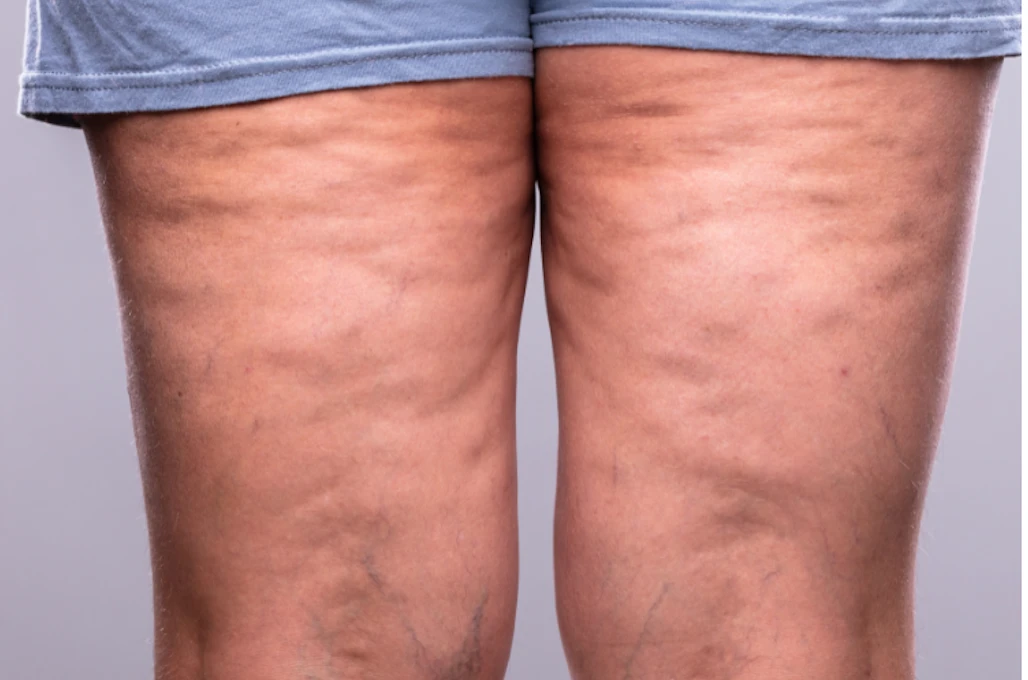
At first glance, lipedema and being “skinny” don’t seem to fit in the same sentence. Many people imagine lipedema as something that only affects those who are overweight. But in reality, it’s entirely possible to have a slim upper body and still struggle with lipedema in your legs or hips.
If you’ve noticed that your legs feel heavier, more tender, or simply out of proportion with the rest of your body despite staying fit and healthy, this article is for you.
What Lipedema Really Is
Lipedema is a chronic condition involving an abnormal accumulation of fat cells, most commonly in the lower body — thighs, hips, and sometimes arms. According to the Cleveland Clinic, lipedema “causes fat buildup that does not respond to diet or exercise.”
It’s not just a cosmetic issue; it’s a structural one, involving changes in connective tissue, microcirculation, and lymphatic flow.
Unlike typical fat storage, lipedema fat is resistant to calorie restriction and workouts, and is often accompanied by pain, easy bruising, or a feeling of heaviness.
Can You Be Skinny and Have Lipedema?
Yes — absolutely. Lipedema does not depend on your overall body weight. It can appear in individuals with a healthy BMI or even those who are considered underweight.
In people with “skinny lipedema,” the disproportion is usually more subtle. The upper body remains slim, while the lower body — especially thighs, knees, and calves — looks and feels fuller. This can make diagnosis difficult, since doctors may overlook lipedema when there’s no obesity present.
Research shows that lipedema can affect people of all body types, and that early recognition is crucial for preventing progression and discomfort.
Signs of Lipedema in Slim Individuals
If you’re slim but suspect something feels “off” in your legs, here are a few signs that could point to lipedema rather than normal fat distribution:
-
Legs are symmetrically enlarged compared to your upper body.
-
The fat feels soft, doughy, or nodular when touched.
-
Your feet remain slim, creating a visible “cuff” around the ankles.
-
You bruise easily or experience tenderness even from light pressure.
-
Exercise and diet reduce fat from your upper body but not your legs.
-
Legs feel heavy or tired at the end of the day.
These symptoms don’t automatically mean you have lipedema, but they’re strong indicators that a consultation with a vascular or lymphatic specialist is worth considering.
Why It’s Often Missed
Many slim women with lipedema go undiagnosed for years. Because their overall weight appears normal, their concerns are often dismissed as aesthetic or hormonal.
Unfortunately, untreated lipedema can worsen over time, leading to discomfort and swelling as the lymphatic system becomes overloaded. Early awareness allows for proactive self-care and treatment options that can slow progression and improve comfort.
How to Support Your Body if You Suspect Lipedema
While there’s no cure for lipedema, the right habits can help you feel lighter, improve lymphatic flow, and support healthy skin and tissue.
1. Encourage Circulation and Lymph Flow
Low-impact movement is key. Activities like swimming, walking, and cycling help without stressing the joints. Complement your movement with gentle self-massage or lymphatic cupping using our Body Cupping Set.
Cupping can help stimulate lymphatic drainage and relieve that feeling of heaviness in your legs.
2. Use Infrared Heat Therapy
Infrared heat increases blood flow and supports lymphatic function. A short daily or weekly session can noticeably reduce tension and swelling.
-
For targeted use, try the Infrared Belt for Thighs and Legs.
-
For full-body therapy, the Infrared Sauna Blanket provides deep relaxation and helps detoxify through gentle sweating.
These methods don’t “melt fat,” but they do help your body feel lighter and more balanced.
3. Maintain Healthy Skin and Tissue
Gentle exfoliation helps boost microcirculation and skin renewal. Use the Exfoliating Glove or Raw Silk Exfoliating Glove once or twice a week to remove dead skin and improve blood flow.
Follow with a nourishing cream or oil, massaging it upward toward the heart to support lymphatic return.
4. Focus on a Supportive Lifestyle
A balanced, anti-inflammatory diet — rich in vegetables, lean protein, and healthy fats — supports tissue health and minimizes inflammation.
Sleep, hydration, and stress management all play a role in how your body stores and processes fat, including in lipedema-prone areas.
When to See a Specialist
If your legs remain disproportionate despite healthy habits, or if you experience pain, swelling, or tenderness, consider seeing a vascular or lymphatic specialist. Diagnosis usually involves a clinical exam and sometimes ultrasound imaging to assess tissue and fluid patterns.
Getting clarity is empowering — it lets you understand your body better and manage it on your terms.
Final Thoughts
Being slim doesn’t exempt anyone from lipedema. The condition can affect anyone, regardless of fitness level or body size. What matters most is awareness and care.
By supporting your lymphatic system, improving circulation, and taking time for gentle, mindful self-care, you can help your body feel lighter, stronger, and more comfortable.
Simple rituals like cupping, infrared heat, and exfoliation may not cure lipedema, but they can transform how you feel in your skin — and that makes all the difference.