
How to Get Rid of Butt Acne: A Gentle, Effective Guide
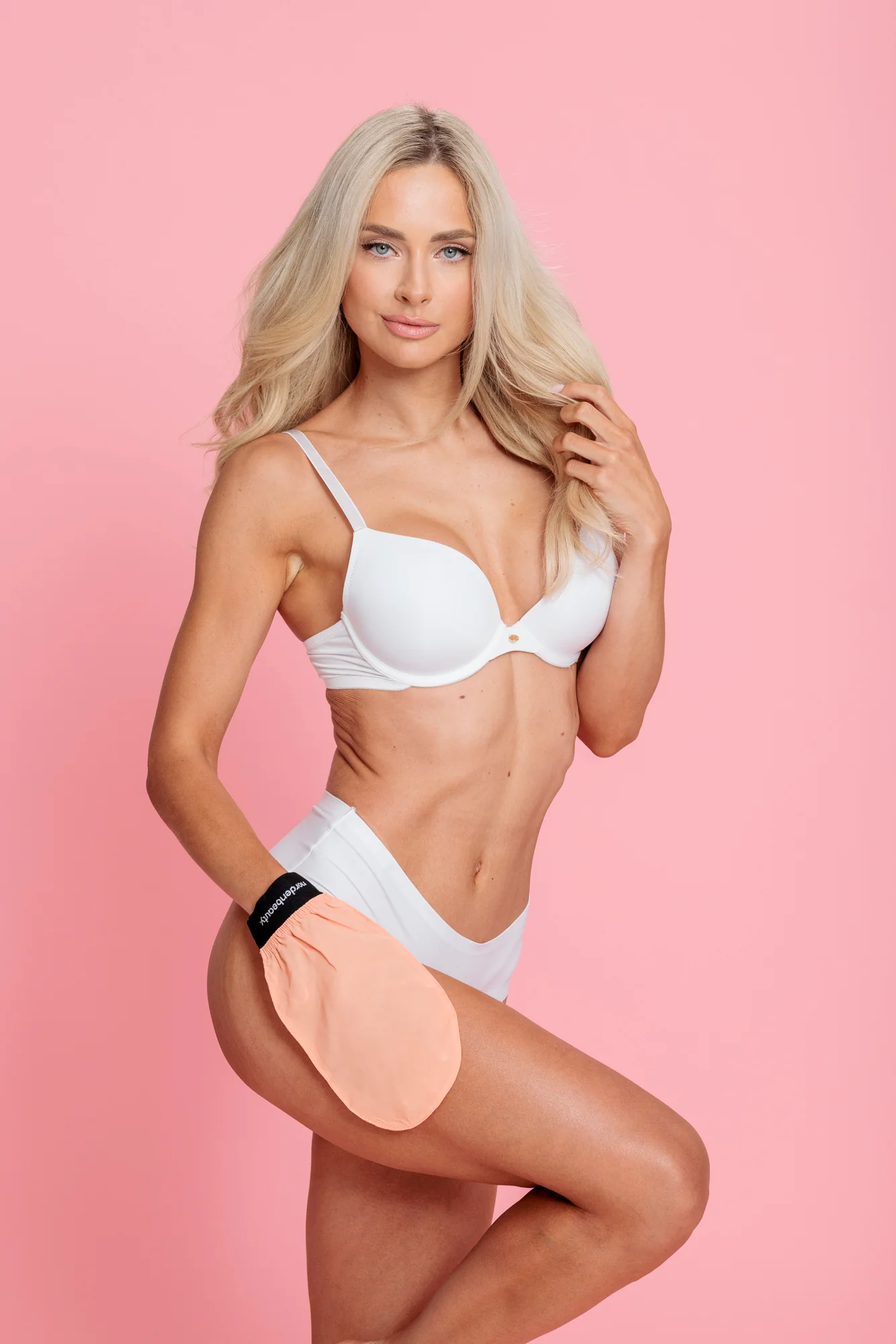
How to Get Rid of Butt Acne Without the Drama
If you’ve been quietly googling how to get rid of butt acne, you’re far from alone. Those small bumps on the cheeks and upper thighs are one of the most common — and rarely discussed — body skin concerns women navigate. The good news: most of the time, this isn’t classic acne at all. It’s usually folliculitis, ingrown hairs, or trapped dead skin reacting to friction and sweat. With a calm, consistent routine — not aggressive scrubbing — clearer, smoother skin is well within reach.
Why Those Bumps Keep Coming Back
Butt breakouts thrive on three things: trapped sweat, friction from tight clothing, and a buildup of dead skin around hair follicles. Sitting in damp leggings after a workout, harsh body washes that strip the skin barrier, and skipping gentle exfoliation can all keep the cycle going. The fix is rarely about doing more — it’s usually about doing the right things consistently, and using the right exfoliating tool to support, not stress, your skin.
Key Takeaways
- Most “butt acne” is actually folliculitis or keratosis pilaris — not true acne.
- Sweat, friction, and tight clothing are the most common triggers.
- Gentle exfoliation 2–3 times a week often makes the biggest visible difference.
- Loose, breathable cotton helps prevent recurrence between sessions.
- If bumps are painful, deep, or unchanged after 4–6 weeks, see a dermatologist.
What’s in this guide
What Butt Acne Actually Is
Despite the name, true acne on the buttocks is uncommon. The skin there has different oil glands than the face, so most “butt acne” is something else entirely. The three most common culprits are:
- Folliculitis — inflammation of the hair follicle, usually triggered by sweat, shaving, or bacteria.
- Keratosis pilaris — small, rough bumps caused by a buildup of keratin around follicles.
- Friction-related irritation — bumps that flare with tight clothing or repetitive movement.
Signs you might be dealing with butt acne or folliculitis
- Small clusters of red bumps on the cheeks or upper thighs
- Whiteheads that appear after workouts or hot, humid days
- Itchy or slightly tender patches
- Dark marks left behind after bumps fade
- Flare-ups linked to tight leggings, jeans, or sitting for long periods
Why Butt Acne Happens: Common Causes
Understanding the cause makes the fix simple. The most frequent triggers are:
- Sweat trapped against skin — the single most common driver.
- Friction from tight leggings, jeans, and gym wear that rubs irritation into follicles.
- Long sitting hours, especially in synthetic fabrics.
- Harsh body washes that disrupt the skin barrier and leave it reactive.
- Skipping gentle exfoliation, allowing dead skin to clog hair follicles.
- Shaving or waxing without proper aftercare.
- Hormonal shifts linked to your cycle, stress, or perimenopause.
How to Get Rid of Butt Acne at Home
A simple, four-step routine handles most cases. Consistency matters far more than intensity — gentler is almost always better here.
Step 1: Shower soon after sweating
Don’t sit in damp workout clothes. A quick rinse after the gym, a hot day, or a long commute prevents sweat and bacteria from settling around hair follicles. If a full shower isn’t possible, change into clean, breathable clothes as soon as you can.
Step 2: Exfoliate gently — not aggressively
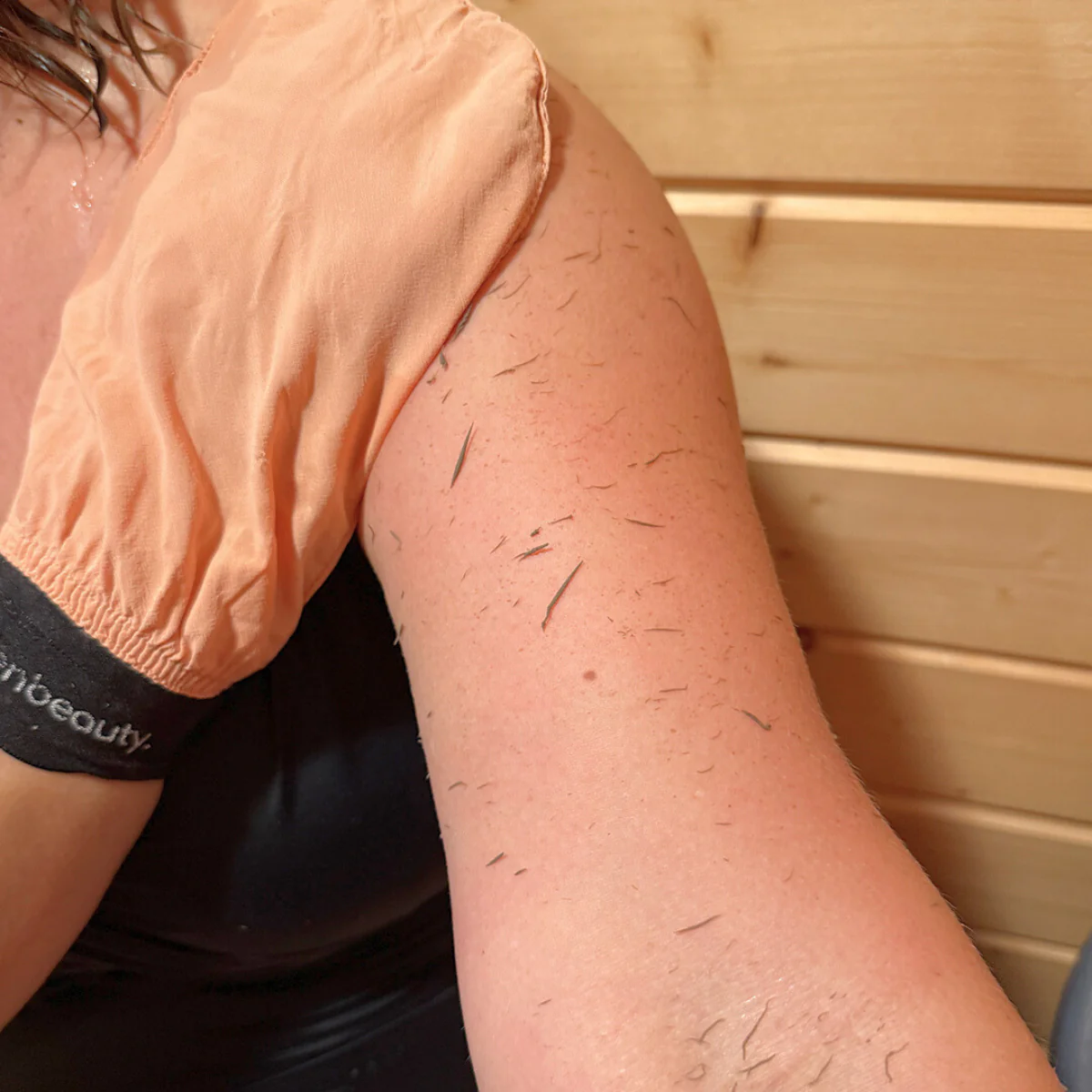
This is where most people overdo it. Harsh scrubs and strong acids can inflame the very skin you’re trying to clear. Two to three times a week, use a gentle silk exfoliating glove in the shower to lift dead skin and free trapped follicles. For a credible reference on technique, the American Academy of Dermatology’s safe at-home exfoliation guidance is a good baseline: work in light, circular motions, keep sessions short, and stop immediately if skin starts to sting or look raw.
Step 3: Moisturize after every shower
A lightweight, fragrance-free body lotion or cream supports the skin barrier so it can defend itself against future flare-ups. Look for “non-comedogenic” on the label, and apply while skin is still slightly damp to lock in hydration.
Step 4: Rethink what you wear
Cotton and other breathable fabrics let skin breathe between activities. Save tight synthetic leggings for the workout itself, then change as soon as you can. At night, loose cotton is your skin’s best friend.
Common Mistakes to Avoid
- Scrubbing harder, more often, or with rough physical brushes
- Layering strong actives (salicylic acid, glycolic acid, retinol) without recovery time
- Using face acne products on body skin without checking the ingredient list
- Picking, squeezing, or popping bumps — this drives bacteria deeper and can cause scarring
- Wearing tight, sweaty clothes for hours after a workout
- Quitting too early — most routines need 4–6 weeks before results are obvious
Myths vs Facts About Butt Acne
Myth: Butt acne means you’re not clean enough.
Fact: Hygiene helps, but butt acne is mostly about sweat and friction — not cleanliness.
Myth: Scrubbing harder gets you results faster.
Fact: Aggressive scrubbing inflames skin and often makes the bumps worse.
Myth: A bit of sun will dry it out and clear it up.
Fact: UV exposure can worsen post-bump dark spots and damage the skin barrier.
Myth: You’ll just have to live with it.
Fact: Most people see real improvement within weeks of a calm, consistent routine.
When to See a Professional
Most cases respond well to home care. Book an appointment with a dermatologist if you experience:
- Painful, deep, or cystic bumps
- Bumps that don’t improve after 4–6 weeks of consistent care
- A spreading rash, fever, or visible pus
- Recurring infections in the same area
- Heavy scarring or persistent dark marks
A short visit can rule out conditions that look similar — like hidradenitis suppurativa or a fungal infection — that need targeted medical treatment.
What to Expect from a Gentle Routine
Real results come from steadiness, not intensity. A realistic timeline looks like this:
- Weeks 1–2: Skin feels less rough; some bumps may flatten.
- Weeks 3–6: Fewer new breakouts; tone starts to even out.
- Two months and beyond: Dark marks fade; overall texture improves.
Stick with one approach for at least 4–6 weeks before deciding it isn’t working. Over-tweaking — switching products every week — is the most common reason routines stall.
How to Get Rid of Butt Acne: FAQ
How do I get rid of butt acne fast?
There’s no overnight fix, but the fastest visible improvement usually comes from three things at once: showering right after sweating, gentle exfoliation 2–3 times a week, and switching to breathable cotton underwear. Most people notice less roughness within the first two weeks.
Is butt acne actually acne?
Usually not. Most cases are folliculitis (inflamed hair follicles) or keratosis pilaris (keratin buildup), not the same condition as facial acne. That’s why face acne products often don’t work — and can even make body skin worse.
Can I use my face exfoliator on my butt?
You can, but it’s not always the best fit. Body skin is thicker and the area is larger. A dedicated body exfoliating glove covers more skin in less time and is designed for the friction body skin can handle. Browse the full glove collection if you want to compare options.
How often should I exfoliate to clear butt acne?
Two to three times a week is enough for most skin. Daily exfoliation is almost always too much and can trigger more bumps, not fewer. If your skin is sensitive, start once a week and build up.
Will an exfoliating glove make a real difference?
For most people, yes. By lifting dead skin and freeing clogged hair follicles, a soft silk glove tackles two of the main drivers of butt bumps. It’s not a medical treatment, but as part of a calm routine, it may help reduce recurrence and improve overall texture.
Does shaving cause butt acne?
Shaving can trigger folliculitis, especially without proper aftercare. If you shave the area, use a sharp blade, shave in the direction of hair growth, and follow with a fragrance-free moisturizer. Gentle exfoliation between shaves also helps prevent ingrowns.
Ready for a calmer body skin routine?
The right exfoliating tool can help break the friction-and-buildup cycle behind most butt acne — without harsh scrubbing or strong actives. Soft enough for sensitive skin, effective enough to feel the difference.
This article is for general information only and isn’t a substitute for personalized medical advice. If your skin concern is severe, painful, or persistent, please speak with a qualified healthcare provider.