
How to Choose a Cavitation and RF Device: Your Essential Guide
In this article
- How to Choose a Cavitation and RF Device: What Really Matters
- Signs You Might Be Dealing with Cellulite
- How Ultrasonic Cavitation and RF Work Together
- Myths vs Facts About Cavitation and RF Devices
- Common Mistakes to Avoid
- Who Should (and Shouldn’t) Use a Cavitation Device
- Step-by-Step: How to Use LipoSculpt Pro
- When to Seek Professional Advice
- Frequently Asked Questions
Key takeaways
- Cavitation and RF devices combine two technologies—ultrasonic waves to target fat cells and radiofrequency to firm skin.
- Consistent use over several weeks is key; this is not an overnight fix.
- At-home body contouring works best alongside healthy habits like hydration and movement.
- Always use conductive gel and follow the manufacturer’s protocol for safe, effective sessions.
- Not everyone is a candidate—check contraindications before starting any skin tightening device routine.
How to Choose a Cavitation and RF Device: What Really Matters
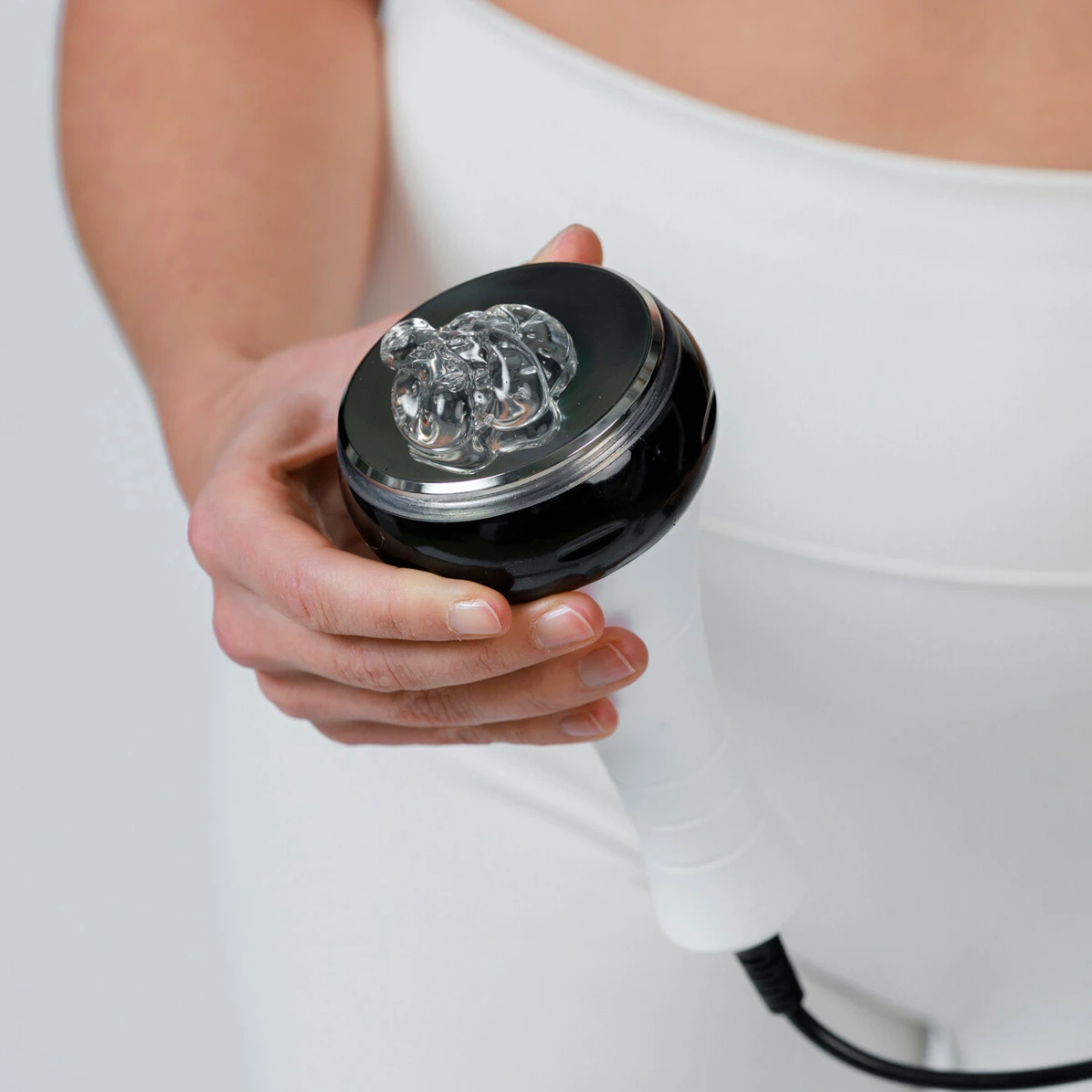
If you’ve been researching ways to reduce cellulite and smooth your skin from home, you’ve likely come across ultrasonic cavitation and radiofrequency (RF) devices. But with so many options on the market, knowing how to choose a cavitation and RF device that actually suits your needs can feel overwhelming. Individual results vary; this guide is for informational purposes only. A device like the LipoSculpt Pro Ultrasonic Cavitation Device + RF combines both technologies in one handheld tool, making at-home body contouring more accessible than ever.
Cellulite is incredibly common—up to 90% of women experience it at some point. It’s not a flaw; it’s simply how subcutaneous fat interacts with connective tissue beneath your skin. The right device won’t promise a cure, but it may help improve skin texture and support your body sculpting routine over time.
In this guide, you’ll learn what features to prioritise, how these technologies actually work, and which mistakes to avoid. Whether you’re new to at-home treatments or upgrading your current setup, understanding the basics will help you make a confident, informed choice.
Signs You Might Be Dealing with Cellulite
Cellulite shows up differently for everyone. Recognising the signs can help you decide whether a cavitation and RF device is worth exploring. Here are the most common indicators:
- Dimpled or uneven skin texture on thighs, buttocks, or abdomen—often described as “orange peel” skin.
- Areas that feel firm but look bumpy, especially when you pinch the skin.
- Changes that worsen with age or hormonal shifts, such as perimenopause or post-pregnancy.
- Persistent spots that don’t respond to diet and exercise alone.
- Skin that appears less firm or toned in specific zones, even at a healthy weight.
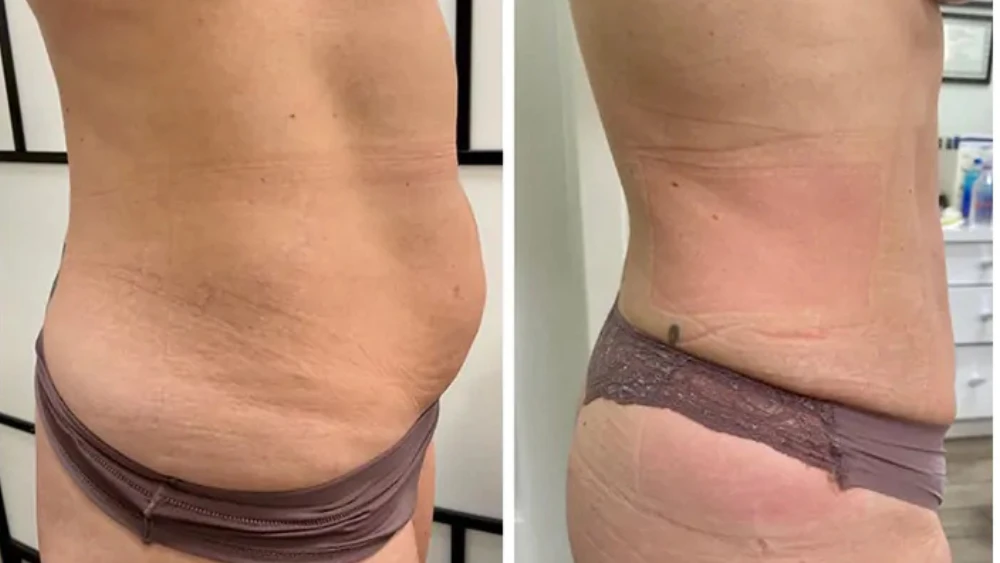
Cellulite is graded on a scale from mild to severe. Grade 1 shows no visible symptoms while standing, but dimples appear when you sit or pinch the skin. Grade 2 is visible while standing. Grade 3 involves deeper, more pronounced dimples. Understanding your grade can help set realistic expectations for any treatment approach.
How Ultrasonic Cavitation and RF Work Together
Understanding the technology behind these devices is essential when learning how to choose a cavitation and RF device. Each technology targets a different concern, and together they offer a more complete approach to body contouring.
Ultrasonic Cavitation
Ultrasonic cavitation uses low-frequency sound waves to create microscopic bubbles in the fluid surrounding subcutaneous fat cells. These bubbles expand and collapse, a process that may help break down fat cell membranes over time. The disrupted cells are then processed by your body’s lymphatic drainage system and eliminated naturally.
This process is non-invasive and painless for most people. It targets localised fat deposits that can contribute to the dimpled appearance of cellulite. Studies suggest that consistent sessions may lead to measurable changes in treated areas, though results vary from person to person.
Radiofrequency (RF) Skin Firming
While cavitation addresses fat, radiofrequency skin firming focuses on the skin itself. RF energy heats the deeper layers of your skin, triggering a natural healing response that stimulates collagen stimulation and elastin production. Over time, this may help tighten and firm skin that has lost elasticity.
For anyone looking for a skin tightening device that complements fat reduction, RF is a key feature. It works on the surface and deeper layers, supporting smoother, more toned-looking skin. The warming sensation during treatment is typically gentle and well-tolerated.
Why the Combination Matters
Using ultrasonic cavitation alongside RF creates a dual-action approach. Cavitation may help reduce the volume of fat cells beneath the skin, while RF supports the overlying skin structure. This combination is what makes devices like the LipoSculpt Pro appealing for at-home body contouring—they address both concerns in a single session.
Additionally, the heat from RF can promote lymphatic drainage, helping your body process the byproducts of cavitation more efficiently. When used as part of a regular body sculpting routine, this two-in-one approach may help you see gradual improvements in both skin texture and firmness.
Featured Device
LipoSculpt Pro Ultrasonic Cavitation Device + RF
This dual-action device combines ultrasonic cavitation with radiofrequency skin firming in one ergonomic tool. It may help support smoother-looking skin and a more contoured appearance with regular use.
Myths vs Facts About Cavitation and RF Devices
There’s a lot of misinformation floating around about at-home body contouring. Before you decide how to choose a cavitation and RF device, let’s separate myth from reality.
Myth
“Cavitation and RF devices give instant, dramatic results.”
Fact
Results build gradually over weeks of consistent use. Most people notice changes in skin texture after 4–8 sessions. Patience and realistic expectations are essential.
Myth
“You don’t need to exercise or eat well if you use a device.”
Fact
These devices work best as a complement to a healthy lifestyle. Hydration, movement, and balanced nutrition all support your body’s natural processes during treatment.
Myth
“Cellulite means you’re unhealthy or overweight.”
Fact
Cellulite is completely normal and affects people of all body types. It’s related to connective tissue structure, hormones, and genetics—not just weight.
Myth
“At-home devices are just as effective as professional treatments.”
Fact
At-home devices use lower energy levels for safety. They can be effective for maintenance and gradual improvement, but results differ from clinical-grade equipment.
Common Mistakes to Avoid
Even the best device won’t deliver results if you’re using it incorrectly. Here are the most common mistakes people make—and how to avoid them.
- Skipping the conductive gel. Gel is essential for smooth gliding and proper wave transmission. Without it, you risk friction, uneven results, and discomfort.
- Expecting overnight results. Cavitation and RF work gradually. Giving up after two sessions means you’ll never see the cumulative benefits of consistent use.
- Overusing the device. More isn’t better. Stick to the recommended frequency—typically 2–3 sessions per week—to give your body time to respond.
- Treating the wrong areas. These devices are designed for the abdomen, thighs, buttocks, and upper arms. Avoid bony areas, the face (unless specified), and areas with broken skin.
- Ignoring hydration. Drinking plenty of water before and after sessions supports lymphatic drainage and helps your body process disrupted fat cells.
- Not reading the manual. Each device has specific settings, time limits, and safety guidelines. Taking 10 minutes to understand your device prevents misuse.
Who Should (and Shouldn’t) Use a Cavitation Device
At-home cavitation and RF devices are generally considered safe for healthy adults, but they’re not suitable for everyone. Understanding who should and shouldn’t use them is a critical part of learning how to choose a cavitation and RF device responsibly.
Good Candidates
You may be a good candidate if you’re a healthy adult looking to improve the appearance of mild to moderate cellulite, support skin firming, or complement your existing body sculpting routine. These devices work best for people who are already close to their target weight and want to address specific areas of concern.
Who Should Avoid These Devices
- Pregnant or breastfeeding women
- People with pacemakers or implanted medical devices
- Those with metal implants in the treatment area
- Individuals with active skin conditions, open wounds, or infections
- Anyone undergoing cancer treatment or with a history of cancer
- People with serious cardiovascular conditions
When in doubt, consult your healthcare provider before starting any new treatment. This is especially important if you have underlying health conditions or take medications that affect your skin or circulation.
Step-by-Step: How to Use LipoSculpt Pro Ultrasonic Cavitation Device + RF
Using a device like the LipoSculpt Pro Ultrasonic Cavitation Device + RF is straightforward once you understand the protocol. Here’s a step-by-step guide to help you get the most from your sessions.
Step 1: Prepare Your Skin
Start with clean, dry skin. Shower before your session and make sure the treatment area is free of lotions, oils, or residue. Apply a generous layer of the included conductive gel—this is non-negotiable. The gel ensures proper wave transmission and prevents friction.
Step 2: Select Your Settings
Turn on the device and choose the appropriate intensity level. If you’re new to cavitation, start with the lowest setting and gradually increase as your skin adjusts. The LipoSculpt Pro offers separate modes for cavitation and RF—you can use them individually or combine them in one session.
Step 3: Glide the Device
Move the device slowly over the treatment area using gentle, circular motions. Spend about 10–15 minutes per zone. Keep the device head flat against your skin—lifting it or pressing too hard can reduce effectiveness. Focus on one area at a time for even coverage.
Step 4: Post-Treatment Care
After your session, wipe away excess gel with a damp cloth. Apply a soothing moisturiser to keep your skin hydrated. Drink a full glass of water to support lymphatic drainage and help your body process the disrupted fat cells.
Step 5: Maintain Your Routine
Consistency is everything. Aim for 2–3 sessions per week, allowing at least 48 hours between treatments. Most users report noticing changes in skin texture and firmness after 6–8 weeks of regular use. Track your progress with photos to stay motivated.
When to Seek Professional Advice
While at-home cavitation and RF devices are designed for safe, unsupervised use, there are times when professional guidance is the smarter choice.
Consult a dermatologist or licensed aesthetician if you have a pre-existing skin condition, are unsure about your cellulite grade, or want a personalised treatment plan. A professional can assess your skin and recommend whether an at-home device, clinical treatments, or a combination approach would work best for you.
Stop using the device immediately if you experience persistent redness, swelling, pain, or any unusual skin reaction. These could indicate sensitivity to the technology or an underlying issue that needs medical attention.
Remember, at-home devices are tools—not replacements for professional care. They can be a valuable part of your wellness routine, but they work best when combined with healthy habits and realistic expectations. When in doubt, a quick conversation with your healthcare provider can give you peace of mind.
Frequently Asked Questions
Does a cavitation and RF device really work for cellulite?
Yes, cavitation and RF devices can help improve skin texture and reduce the appearance of cellulite when used consistently over time. Ultrasonic cavitation targets fat cells beneath the skin, while RF stimulates collagen for firmer skin. Results vary by individual, and these devices work best as part of a healthy lifestyle—not as a standalone solution.
Yes, cavitation and RF devices can help improve skin texture and reduce the appearance of cellulite when used consistently over time. Ultrasonic cavitation targets fat cells beneath the skin, while RF stimulates collagen for firmer skin. Results vary by individual, and these devices work best as part of a healthy lifestyle—not as a standalone solution.
How long does it take to see results from a cavitation device?
Most people notice subtle changes in skin texture after 4–8 sessions, typically within 3–4 weeks of consistent use. More visible improvements in firmness and cellulite appearance may take 6–12 weeks. Factors like your skin type, treatment area, hydration, and overall health all influence how quickly you’ll see results.
Most people notice subtle changes in skin texture after 4–8 sessions, typically within 3–4 weeks of consistent use. More visible improvements in firmness and cellulite appearance may take 6–12 weeks. Factors like your skin type, treatment area, hydration, and overall health all influence how quickly you’ll see results.
How often should I use a cavitation and RF device?
Use your device 2–3 times per week, with at least 48 hours between sessions. This gives your body time to process disrupted fat cells and respond to the collagen stimulation from RF. Overusing the device won’t speed up results and may irritate your skin. Follow the manufacturer’s guidelines for best outcomes.
Use your device 2–3 times per week, with at least 48 hours between sessions. This gives your body time to process disrupted fat cells and respond to the collagen stimulation from RF. Overusing the device won’t speed up results and may irritate your skin. Follow the manufacturer’s guidelines for best outcomes.
Who is suitable for using an at-home cavitation device?
Healthy adults looking to reduce cellulite or improve skin firmness are generally good candidates. However, pregnant women, people with pacemakers, metal implants, or serious medical conditions should avoid these devices. If you’re unsure, consult your doctor before starting. Choosing the right device matters—when learning how to choose a cavitation and RF device, always check the contraindications list.
Healthy adults looking to reduce cellulite or improve skin firmness are generally good candidates. However, pregnant women, people with pacemakers, metal implants, or serious medical conditions should avoid these devices. If you’re unsure, consult your doctor before starting. Choosing the right device matters—when learning how to choose a cavitation and RF device, always check the contraindications list.
Taking control of your body sculpting routine starts with understanding your options. Ultrasonic cavitation and radiofrequency skin firming offer a science-backed, non-invasive approach that may help you feel more confident in your skin. The key is choosing a device that combines both technologies, using it consistently, and pairing it with healthy daily habits.
With regular use over several weeks, you may notice gradual improvements in skin texture, firmness, and overall tone. Results aren’t instant, but patience and consistency can pay off. Explore the LipoSculpt Pro Ultrasonic Cavitation Device + RF to see if it’s the right fit for your goals.
Recommended
LipoSculpt Pro Ultrasonic Cavitation Device + RF
Combining ultrasonic cavitation with radiofrequency technology, this device is designed for convenient at-home use. It may help support smoother-looking skin and a more sculpted appearance with consistent sessions.
You Might Also Like
LipoSculpt Pro Ultrasonic Cavitation Device + RF
ShapePro 3.0
ProKit
Results may vary. This article is for informational purposes only.
This article is for informational purposes only and does not replace professional medical advice. Individual results vary. Always consult a healthcare provider before beginning any new body-care routine.