
Facial Exfoliating: Your Skin’s Reset Button
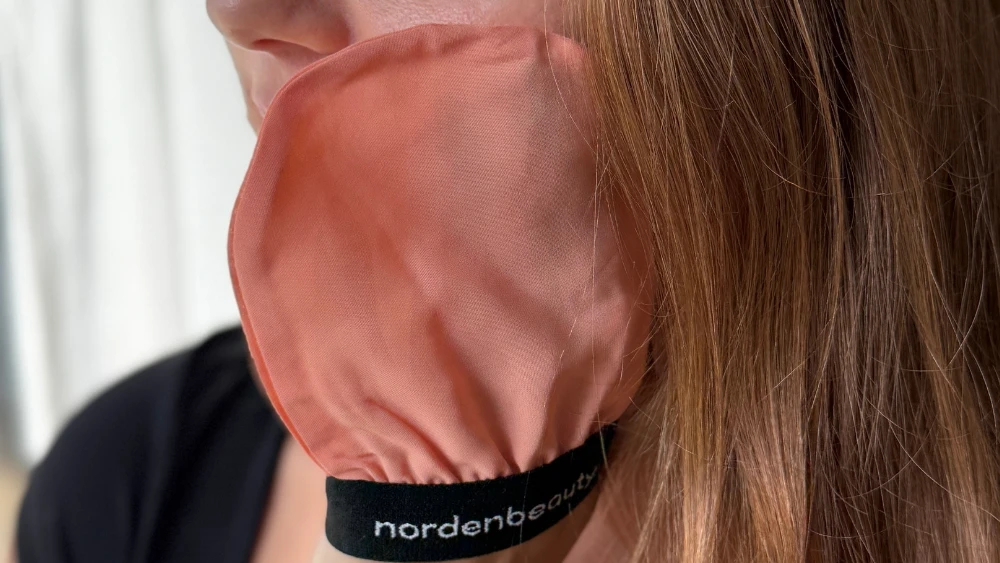
Let’s talk about facial exfoliating — what it really means, why it matters, how to do it gently, and how to pick a tool that doesn’t feel like you’re scrubbing your skin raw. If you’ve ever looked in the mirror and thought “Why does my face look dull? Why won’t my serums work?” — this might be the missing piece.
What Is Facial Exfoliating and Why It Works
Exfoliating is basically about removing dead skin cells from your face so that fresh skin underneath can shine through. According to American Academy of Dermatology and other skin-care experts, when you remove that top layer of dead cells:
-
Your skin looks brighter and feels smoother. healthline.com+2bayhillsmd.com+2
-
Your pores are less likely to be clogged, so you get fewer breakouts. healthline.com+1
-
Your other skincare products can actually penetrate and work better, instead of just sitting on top. Eccotique
In short: exfoliating can be the skin-care game-changer you didn’t realise you needed.
How to Exfoliate Your Face the Right Way
Here’s your friendly walkthrough. No heavy jargon — just practical steps.
1. Choose a gentle tool
If your skin is sensitive (hello redness, rosacea, etc.), you’ll want something gentle. That’s where a silk or fine-textured glove comes in:
-
Try the Turkish Raw Silk Facial Exfoliating Glove — it’s made from cocoon silk, inspired by traditional hammam rituals, and designed for more delicate areas like the face.
-
Use it with just water or a very mild cleanser. Avoid aggressive scrubs on your face (those belong more on the body).
2. Set your frequency
How often should you exfoliate? According to experts:
-
Most skin types: 1–2 times per week. theguardian.com+1
-
Sensitive or dry skin: once a week or even less.
Over-doing it can irritate your skin barrier, cause redness, and sometimes make things worse. theguardian.com+1
3. Step-by-step process
Here’s a simple routine:
-
Begin with clean, damp skin.
-
Use your glove or tool in gentle circular motions — no heavy scrubbing.
-
Focus lightly — cheeks, forehead, nose, chin — avoid around eyes unless the tool is specifically designed for that.
-
Rinse thoroughly with lukewarm water.
-
Follow with a soothing serum or moisturizer (think: hyaluronic acid, ceramides) and always use SPF during the day (because freshly exfoliated skin is more sun-sensitive).
-
Give your skin a rest: no strong acids, retinols or harsh treatments for the next 24 hours.
What You’ll Notice (And When)
The benefits are real — but you might not see them overnight. Here’s what you can expect:
-
Immediately: smoother, softer skin feel.
-
After a few weeks: better texture, fewer rough patches, maybe smaller-looking pores.
-
Over a couple of months: improved radiance, better absorption of your active products, possibly fewer breakouts.
As one skin-care article puts it: “Regular exfoliation can improve appearance, unclog pores, increase collagen production.” healthline.com
Common Mistakes & What to Avoid
Because we care about your skin staying happy.
-
Too frequent or too aggressive: Over-exfoliating can damage your skin barrier, leading to irritation, sensitivity or even increased breakouts. theguardian.com+1
-
Using harsh tools or big abrasive beads: These might feel satisfying, but your face doesn’t need pumice-level scrub.
-
Skipping sun protection afterwards: Fresh skin is more vulnerable.
-
Not adjusting based on your skin’s response: If your skin says “ouch” after exfoliating, back off. Less is more.
Why Your Skincare Products Work Better After Exfoliating
Think of exfoliating like clearing out the pantry before you cook: when the surface layer of dead cells is removed, your serums, creams, and actives can get in and do their job. That’s why many dermatologists say exfoliation boosts absorption of products. Eccotique+1
So if you’re investing in a great serum or night treatment, pairing it with gentle exfoliation is smart.
Final Thoughts
Facial exfoliating isn’t about harsh scrubbing or aggressive routines. It’s about giving your skin a chance to renew, glow, and absorb better. When you approach it gently—and consistently—you’re setting your skin up to feel smoother, brighter, and healthier.
If you haven’t tried upgrading to a gentle exfoliating tool yet, maybe this week is your moment. Start with your glove, pick one spot of your face, and notice the little difference it makes. Your skin will thank you.