
Exfoliating Exfoliant: What It Means & How to Use It
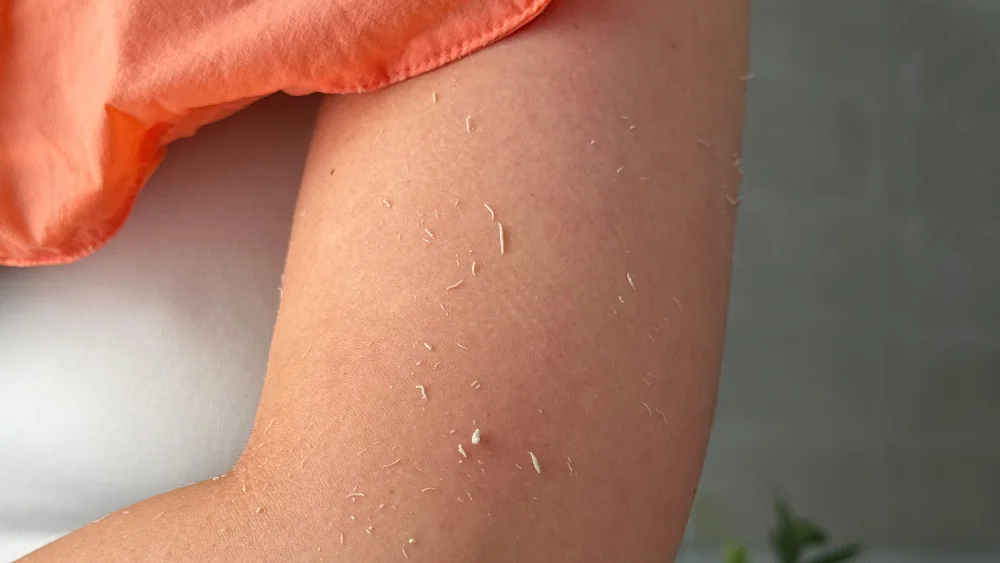
The phrase “exfoliating exfoliant” might sound like skincare jargon, but it’s simply about one thing: removing dead skin cells to reveal fresh, glowing skin underneath. Whether you use a gentle glove, a body mitt, or a mild chemical peel, exfoliation is one of the most effective ways to keep your skin smooth, healthy, and radiant.
In this guide, we’ll cover what exfoliating actually does, how to pick the right method, and how to use exfoliating gloves safely for your face and body.
What Is an Exfoliating Exfoliant?
An exfoliant is any product or tool that helps remove the layer of dead skin cells from the surface of your skin. Over time, these cells build up — leading to dullness, rough texture, and clogged pores.
Regular exfoliation helps to:
-
Smooth and soften your skin’s surface
-
Improve radiance and even tone
-
Unclog pores and reduce ingrown hairs
-
Boost absorption of serums, creams, and oils
Exfoliating doesn’t have to be harsh. In fact, the most effective results often come from consistent, gentle exfoliation done one or two times a week.
Types of Exfoliating Exfoliants
There are two main types of exfoliation — and often, the best skincare routines combine both.
1. Physical (Mechanical) Exfoliants
These include tools and materials that physically lift away dead skin — like brushes, scrubs, or exfoliating gloves.
If you prefer a natural, tool-based approach, here are three options to suit different areas and skin types:
-
Exfoliating Glove: Ideal for regular body exfoliation, this classic mitt helps unclog pores, remove dry skin, and leave the skin feeling smooth and renewed after each shower.
-
Raw Exfoliating Glove for Body: Made for deeper exfoliation, it’s perfect for rougher skin areas like arms, legs, and back. It helps stimulate circulation and reveal brighter skin.
-
Turkish Silk Exfoliating Glove for Face: Designed for delicate areas like the face and neck, this ultra-soft glove provides gentle exfoliation that removes impurities without irritation.
These physical exfoliants don’t require extra products — just warm water or a mild cleanser.
2. Chemical Exfoliants
These use acids (like AHAs, BHAs, or enzymes) to dissolve dead skin cells. They’re great for acne-prone or uneven skin but should be used sparingly to avoid irritation. Many people alternate between a mild chemical exfoliant once a week and a physical glove exfoliation once or twice weekly.
How to Use an Exfoliating Exfoliant Safely
Whether you’re exfoliating your face or body, technique matters. Here’s how to do it effectively:
Step 1: Prepare Your Skin
Start with clean, damp skin. A warm shower or facial steam helps soften the outer layer of skin and makes exfoliation more effective.
Step 2: Exfoliate Gently
-
For the body, use your Exfoliating Glove or Raw Exfoliating Glove for Body in light, circular motions.
-
For the face, use the Turkish Silk Exfoliating Glove for Face with delicate strokes — no harsh scrubbing needed.
-
Focus on dry or textured areas, like elbows, knees, and around the nose or chin.
Step 3: Rinse and Nourish
Rinse thoroughly with lukewarm water. Apply a hydrating lotion or serum right after exfoliating — your skin will absorb it better.
Step 4: Don’t Overdo It
Exfoliate 1–2 times per week for most skin types, and once per week if your skin is sensitive. Over-exfoliation can lead to redness or dryness, which slows down your progress instead of helping it.
Common Mistakes to Avoid
Even simple routines can go wrong without the right care. Avoid these common exfoliation pitfalls:
-
Exfoliating too often: Your skin needs time to recover between sessions.
-
Using harsh scrubs: Coarse particles or rough sponges can damage your skin barrier.
-
Skipping moisturizer: After exfoliation, your skin needs hydration to stay balanced.
-
Ignoring sun protection: Freshly exfoliated skin is more sensitive to sunlight — always wear SPF.
Why Exfoliation Makes Every Product Work Better
When dead skin cells are removed, your skincare products can finally do their job. Moisturizers absorb deeper, serums perform better, and makeup applies more smoothly. That’s why exfoliation is often called the foundation of great skincare — it clears the way for everything else.
Final Thoughts
“Exfoliating exfoliant” might sound repetitive, but it’s really about balance — choosing the right method, applying it gently, and staying consistent.
For a simple start:
-
Use the Turkish Silk Exfoliating Glove for Face once a week for a fresh, glowing complexion.
-
Add the Exfoliating Glove or Raw Exfoliating Glove for Body to your shower routine for smoother skin all over.
Exfoliation isn’t about doing more — it’s about doing it right. Treat your skin kindly, stay consistent, and enjoy that natural, healthy glow.