
Do LED Face Masks Work at Home? What Science Really Reveals
In this article
- Do LED Face Masks Work at Home for Smoother Skin?
- The Science Behind LED Light Therapy
- Signs You Might Be Dealing with Cellulite
- What to Expect: Realistic Results
- Do LED Face Masks Work at Home? Myths vs Facts
- Common Mistakes to Avoid
- Who Should and Shouldn’t Use an LED Face Mask
- Step-by-Step: How to Use Your LED Face Mask
- When to Seek Professional Advice
- Frequently Asked Questions
Key takeaways
- LED light therapy may help stimulate collagen production, which can improve skin firmness and texture over time.
- Cellulite is a structural skin concern affecting 80–90% of women — it is not a sign of poor health.
- At-home LED devices can complement a body sculpting routine but are not a standalone fix for cellulite.
- Consistent use over several weeks is key — visible changes rarely happen overnight.
- Combining LED therapy with lymphatic drainage massage and healthy habits may enhance overall results.
Do LED Face Masks Work at Home for Smoother Skin?
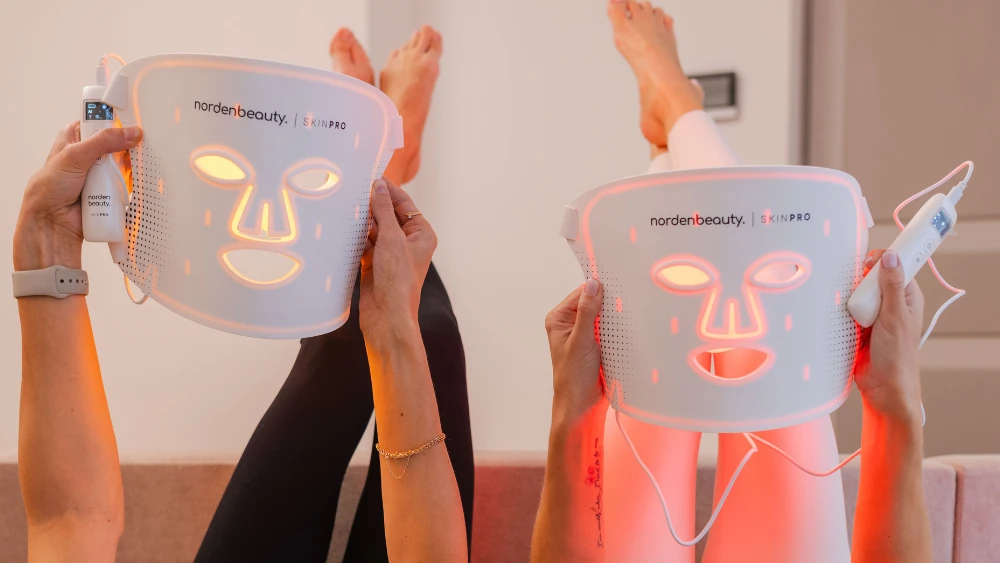
If you have ever wondered, “do LED face masks work at home,” you are not alone. Millions of women are searching for effective, non-invasive ways to improve their skin — from fine lines to uneven texture and yes, cellulite. LED light therapy uses specific wavelengths, primarily red and near-infrared light, that may penetrate the skin to stimulate collagen production and support cellular repair. While cellulite is incredibly common — affecting roughly 80–90% of women at some point — many people feel self-conscious about it. The good news is that at-home devices like the LED Face Mask can be part of a broader approach to supporting your skin’s appearance. Individual results vary; this is for informational purposes only.
The Science Behind LED Light Therapy
LED light therapy works by delivering specific wavelengths of light to your skin. Red light (around 630–660 nm) and near-infrared light (around 850 nm) are the most studied for skin benefits. These wavelengths can penetrate different depths of the skin, energising your cells’ mitochondria — the tiny powerhouses responsible for repair and regeneration.
This process, known as collagen stimulation, may help your skin produce more of the structural proteins that keep it firm and elastic. Over time, improved collagen density can make skin appear smoother and more toned. When it comes to cellulite, the theory is that stronger, thicker skin may reduce the dimpled appearance caused by subcutaneous fat pushing through connective tissue.
It is worth noting that LED therapy works best as part of a holistic approach. Pairing it with techniques like lymphatic drainage massage, radiofrequency skin firming treatments, or a consistent body sculpting routine can create a synergistic effect. Think of LED as one tool in a larger toolkit for supporting your skin health from multiple angles.
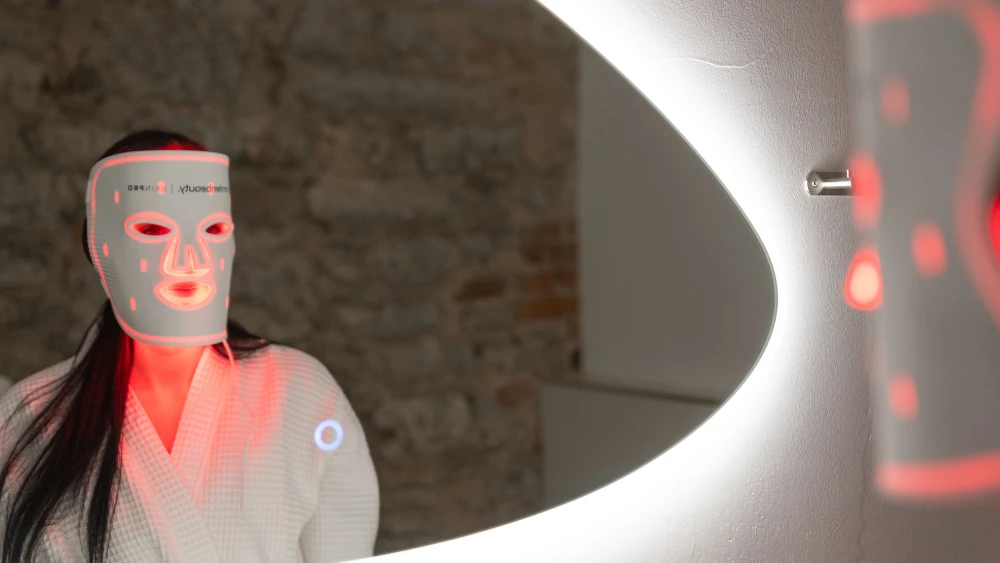
The Nordenbeauty LED Face Mask is designed for convenient at-home use, making it easier to stay consistent. While it is not a medical treatment for cellulite, it can complement your existing skincare and body-care efforts. Results vary from person to person.
Signs You Might Be Dealing with Cellulite
Cellulite shows up differently for everyone, but there are common signs to watch for. Recognising them early can help you take a proactive approach to skin care.
- Dimpled or “orange-peel” texture on thighs, buttocks, or abdomen
- Skin that appears uneven or has a cottage-cheese-like surface
- Areas that feel firm or lumpy when you press gently
- Visible changes when pinching the skin in affected areas
- Worsening appearance during hormonal fluctuations or periods of stress
- Textural changes that do not improve with topical creams alone
Cellulite is not exclusive to any body type or fitness level. Even very active, lean women can experience it due to the way connective tissue and subcutaneous fat interact beneath the skin. Understanding this can help you set realistic expectations and avoid chasing quick fixes that do not deliver.
What to Expect: Realistic Results
Let us be honest: no at-home device will completely erase cellulite. That is because cellulite is a normal structural feature of the skin, not a flaw. It results from fat cells pushing against the connective tissue beneath your skin, creating that characteristic dimpled look. Factors like hormones, genetics, and circulation all play a role.
What at-home body contouring tools like LED masks can do is support your skin’s overall health. Studies suggest that consistent red light therapy may improve skin texture, firmness, and elasticity over time. This can make cellulite less noticeable — not because the underlying structure changes, but because the skin above it becomes stronger and more resilient.
For best results, combine LED therapy with other supportive practices. Ultrasonic cavitation and radiofrequency skin firming are clinical options some people explore, while simpler habits like dry brushing, staying hydrated, and regular exercise can also help. As Healthline notes in their overview of cellulite, a multi-pronged approach tends to yield the most satisfying outcomes.
Expect to use your device consistently for several weeks before noticing changes. Patience and routine matter more than intensity.
Featured Device
LED Face Mask
This at-home LED device may help support collagen stimulation and improve skin texture with regular use. It can complement your existing body sculpting routine without adding extra time to your day.
Do LED Face Masks Work at Home? Myths vs Facts
There is a lot of noise out there about cellulite treatments. Let us separate what is true from what is not.
Myth
“Only people with excess weight get cellulite.”
Cellulite affects 80–90% of women regardless of size or fitness level. It is largely determined by genetics, hormones, and the structure of your connective tissue — not just body fat percentage.
Fact
“At-home LED devices can support skin health.”
Research suggests red light therapy may promote collagen production and improve skin texture. While results vary, consistent use of an LED mask can be a helpful part of your skincare routine.
Myth
“You need expensive clinical treatments to see any improvement.”
While professional treatments like radiofrequency skin firming can be effective, at-home devices offer a more accessible entry point. They may help maintain results between professional sessions.
Fact
“Do LED face masks work at home for cellulite?”
They can help improve the appearance of skin over time. LED therapy supports collagen stimulation and circulation, which may reduce the visibility of cellulite — but it works best alongside healthy habits.
Common Mistakes to Avoid
Getting the most from your LED face mask means avoiding these frequent missteps:
- Expecting overnight results. Skin renewal takes time. Commit to at least 8–12 weeks of consistent use before evaluating progress.
- Skipping moisturiser afterwards. LED therapy can leave skin slightly more receptive to products. Follow up with a hydrating serum or cream to lock in benefits.
- Ignoring sunscreen. While LED light is not UV, your skin may be more sensitive after treatment. Apply SPF daily to protect your progress.
- Using the device too often. More is not always better. Follow the recommended schedule — typically 3–5 sessions per week — to avoid irritation.
- Relying on one method alone. LED therapy works best when combined with movement, nutrition, and other skin-supporting habits. A well-rounded body sculpting routine amplifies results.
Who Should and Shouldn’t Use an LED Face Mask
LED face masks are generally considered safe for most healthy adults. They are non-invasive, painless, and do not require downtime. If you are looking for a gentle way to support your skin at home, they can be a great option.
That said, certain groups should exercise caution:
- Pregnant or breastfeeding women should consult a doctor before use
- People with photosensitivity or light-triggered conditions
- Those with active skin cancer or suspicious lesions in the treatment area
- Anyone taking photosensitising medications
If you have a medical condition or are unsure whether LED therapy is right for you, speak with a dermatologist first. They can help you weigh the benefits and risks based on your individual situation.
Step-by-Step: How to Use Your LED Face Mask
Ready to get started? Here is a simple protocol for incorporating your LED face mask into your routine:
Step 1: Cleanse Your Skin
Start with a clean face. Remove all makeup, sunscreen, and impurities so the light can penetrate effectively. Pat dry with a soft towel.
Step 2: Position the Mask
Place the LED mask comfortably over your face. Adjust the straps so it sits snugly without pressing too hard. Make sure the light panels sit close to your skin.
Step 3: Select Your Light Mode
Choose the wavelength that matches your goals. Red light is ideal for collagen stimulation and skin firming. Blue light targets acne-causing bacteria. Some masks offer combination modes for broader benefits.
Step 4: Relax for the Session
Most sessions last 10–20 minutes. Use this time to relax — listen to a podcast, meditate, or simply rest. The device will typically auto-shutoff when the session ends.
Step 5: Follow Up with Skincare
After removing the mask, apply your favourite serum and moisturiser. Your skin may absorb products more effectively post-treatment. Finish with SPF if you are heading outdoors.
Step 6: Stay Consistent
Aim for 3–5 sessions per week. Consistency is far more important than frequency. Track your progress with photos every few weeks to stay motivated.
When to Seek Professional Advice
While at-home LED therapy is a low-risk option, there are times when professional guidance is essential. If your cellulite has worsened rapidly, is accompanied by pain or swelling, or if you notice unusual skin changes, schedule an appointment with a dermatologist.
A professional can help rule out underlying conditions and recommend treatments that may complement your at-home routine. Options like ultrasonic cavitation, clinical radiofrequency, or targeted massage therapies can be discussed based on your specific needs.
Remember, LED therapy is a supportive tool — not a replacement for medical advice. Combining professional insight with your at-home body contouring efforts gives you the most realistic path forward.
Frequently Asked Questions
Does an LED face mask really work for cellulite?
An LED face mask may help improve the overall appearance of your skin by supporting collagen production and circulation. While it is not a cure for cellulite, consistent use can make skin look firmer and smoother over time. Results vary, and it works best alongside a healthy lifestyle.
Most people notice subtle improvements in skin texture and tone after 8–12 weeks of consistent use. Significant changes in firmness or cellulite appearance may take longer. Patience and regular sessions are essential — this is not an overnight solution.
How often should I use an LED face mask at home?
For best results, use your LED face mask 3–5 times per week, following the manufacturer’s session length guidelines. Overusing the device will not speed up results and may irritate your skin. Consistency over several weeks matters more than daily use.
Is an LED face mask suitable for all skin types?
LED face masks are generally safe for all skin types and tones. They are non-invasive and do not use UV light. However, people with photosensitivity, active skin conditions, or those on certain medications should consult a healthcare professional before use.
Can I use an LED face mask with other cellulite treatments?
Yes, many people combine LED therapy with other approaches like radiofrequency skin firming, lymphatic drainage massage, or a body sculpting routine. This multi-pronged strategy may enhance overall results. Always introduce one new treatment at a time so you can track what works for your skin.
So, do LED face masks work at home for cellulite? The honest answer is: they can help support your skin’s appearance as part of a well-rounded routine. LED therapy may boost collagen stimulation, improve texture, and give your skin a firmer look over time — but it is not a magic fix.
The most effective approach combines consistent device use with healthy habits, patience, and realistic expectations. With regular use over several weeks, you may notice your skin looking smoother and more toned. That is a win worth celebrating.
This article is for informational purposes only and does not replace professional medical advice. Individual results vary. Always consult a healthcare provider before beginning any new body-care routine.
You Might Also Like
Results may vary. This article is for informational purposes only.