
Do LED Face Masks Work at Home? What Science Really Reveals
In this article
- Do LED Face Masks Work at Home for Skin Health?
- Understanding Cellulite: Why It Happens
- Signs You Might Be Dealing With Cellulite
- Practical Approaches to Reducing Cellulite
- Myths vs Facts About LED Masks and Cellulite
- Common Mistakes to Avoid
- Who Should (and Shouldn’t) Use an LED Device
- Step-by-Step: How to Use the LED Face Mask
- When to Seek Professional Advice
- Frequently Asked Questions
Key takeaways
- LED light therapy uses specific wavelengths that may help stimulate collagen and improve overall skin appearance.
- Cellulite is a completely normal structural condition — up to 90% of women experience it at some point.
- At-home body contouring tools can complement a healthy lifestyle but are not standalone solutions.
- Consistency matters more than intensity — most people see gradual changes over 8–12 weeks of regular use.
- Always consult a dermatologist before combining LED therapy with other treatments.
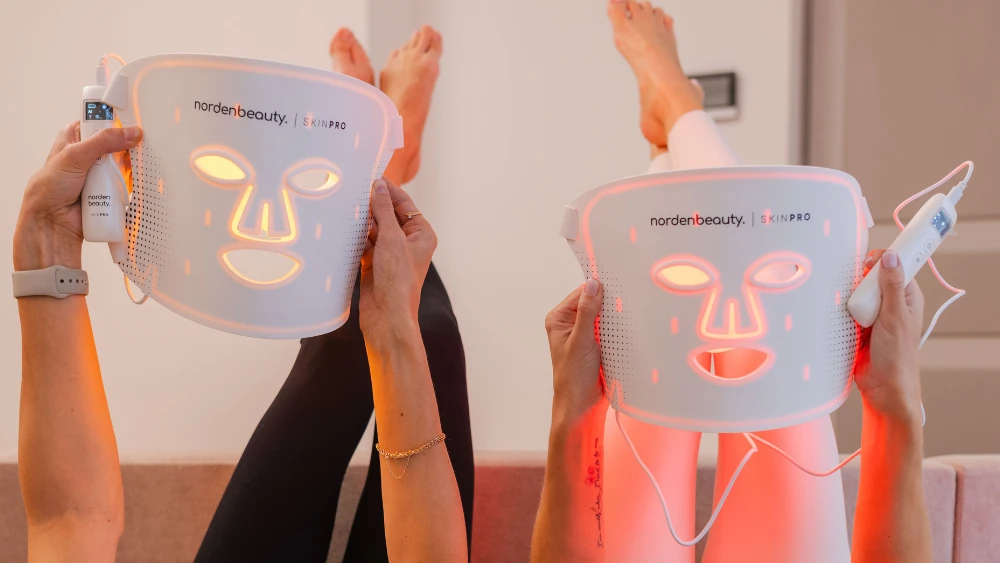
Do LED Face Masks Work at Home for Skin Health?
If you’ve been wondering do LED face masks work at home, you’re not alone. Thousands of women are asking the same question before investing in a skin tightening device. LED light therapy has moved from dermatologist offices into living rooms — and the science behind it is genuinely promising. These devices use specific wavelengths of light that may help stimulate collagen production, support skin firmness, and improve overall texture. That said, individual results vary; this is for informational purposes only. Think of an LED Face Mask as one tool in a broader body sculpting routine — not a standalone fix. The real advantage of at-home use is consistency. You control the schedule, the environment, and the pace. When used correctly and regularly, LED therapy can support your skin’s natural renewal process over time.
Understanding Cellulite: Why It Happens
Cellulite isn’t a flaw — it’s a structural reality. It occurs when subcutaneous fat pushes through the connective tissue beneath your skin, creating that familiar dimpled texture. Hormones, genetics, circulation, and lifestyle all play a role. According to Healthline’s overview of cellulite, up to 90% of women will experience it at some point in their lives. That number alone should tell you something: this is normal. The connective bands in women’s skin are arranged vertically, which makes fat more likely to push through. Men’s bands are crisscrossed, which is why cellulite is far less common in men. Understanding this helps you set realistic expectations. No device — no matter how advanced — can fully restructure your connective tissue. But tools that support skin quality from the outside may help improve how your skin looks and feels over time.
Signs You Might Be Dealing With Cellulite
Not sure if what you’re seeing is cellulite? Here are the most common indicators:
- Dimpled or uneven skin texture — often described as “orange peel” or “cottage cheese” skin.
- Visible dimples when you pinch the skin — this is one of the simplest at-home checks.
- Rough or bumpy feel when running your hands over thighs, hips, or buttocks.
- Changes that worsen with age — collagen production naturally declines, making skin thinner and cellulite more visible.
- Persistent appearance regardless of weight — cellulite can show up on lean and larger bodies alike.
Recognizing these signs early gives you a head start. The sooner you begin supporting your skin with tools like a skin tightening device and healthy habits, the better your chances of improving its overall appearance.
Practical Approaches to Reducing Cellulite
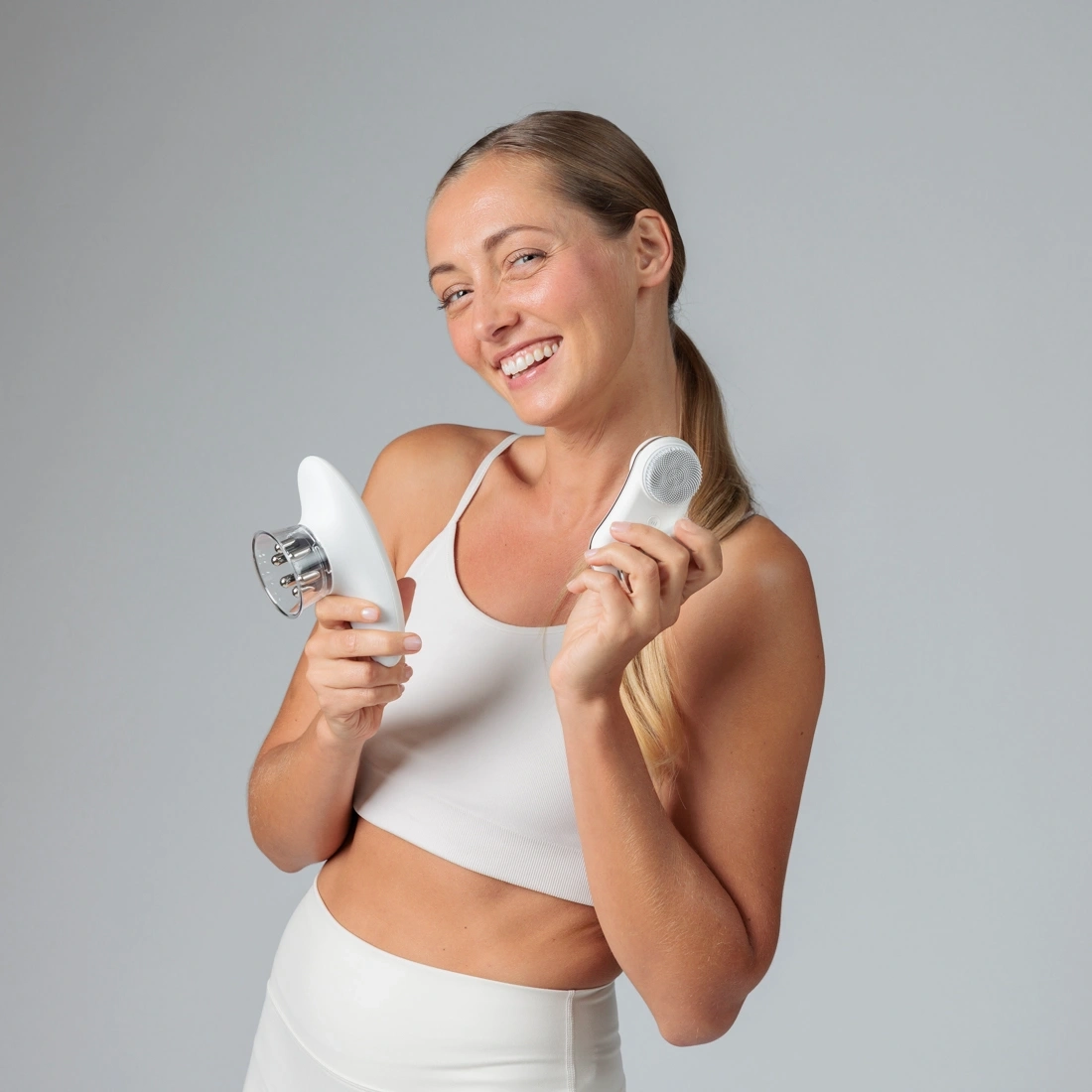
There’s no single magic solution for cellulite, but several approaches can work together. At-home body contouring has become increasingly popular because it puts you in control of your routine. Here’s what the landscape looks like:
LED Light Therapy
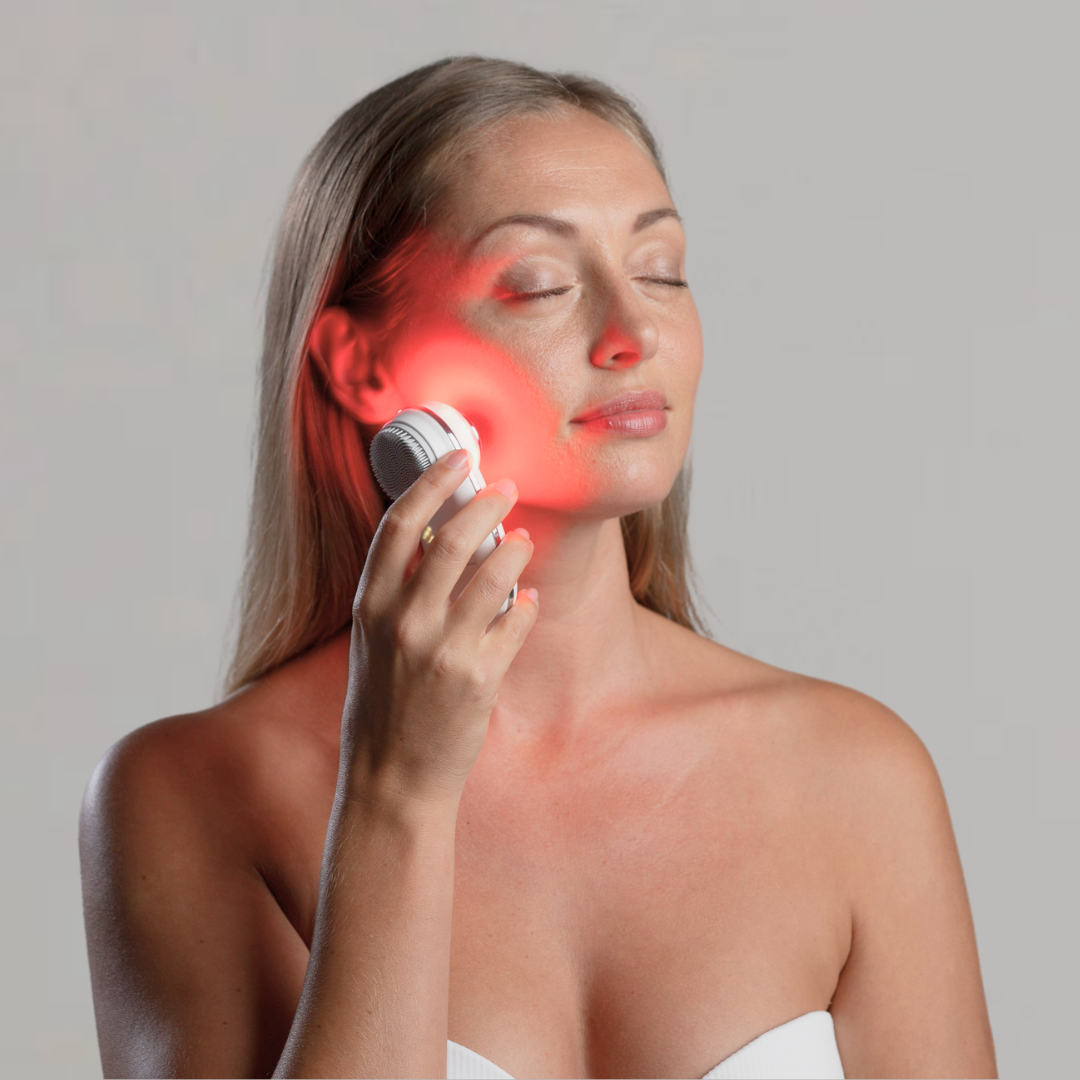
LED light therapy works by delivering specific wavelengths into the skin’s layers. Red light, in particular, may help stimulate collagen and boost circulation — two factors that directly affect how firm and smooth your skin appears. While most research focuses on facial skin, the underlying mechanisms of collagen stimulation apply to other areas too. A quality LED device can be part of a broader approach to reduce cellulite by improving skin density and elasticity.
Other Complementary Methods
- Radiofrequency skin firming — heats deeper tissue to encourage collagen remodeling.
- Ultrasonic cavitation — uses sound waves to target fat deposits beneath the skin.
- Lymphatic drainage massage — supports fluid movement and may temporarily reduce puffiness.
- Regular exercise and a balanced diet — still the foundation of any body care plan.
The key is consistency. Rather than chasing a quick fix, build a body sculpting routine you can actually maintain. Small, regular efforts tend to outperform occasional intense treatments.
Featured Device
LED Face Mask
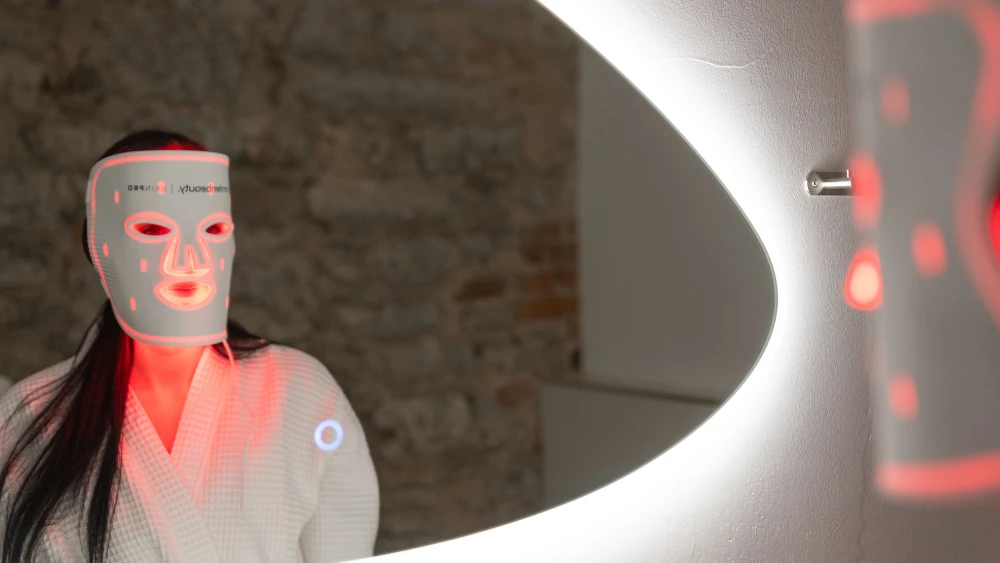
The Nordenbeauty LED Face Mask uses red, blue, yellow, and infrared light to support collagen production and improve skin texture. With regular use, it may help your skin look firmer, smoother, and more even-toned over time.
Myths vs Facts About LED Masks and Cellulite
Common Myths
❌ LED masks can eliminate cellulite completely.
❌ At-home devices are just expensive gimmicks.
❌ You’ll see results after one or two sessions.
❌ Cellulite only affects people who are overweight.
Evidence-Based Facts
✅ No device can fully reverse cellulite — but LED therapy may improve skin appearance.
✅ Research supports LED light therapy for collagen stimulation and skin quality.
✅ Meaningful changes typically take 8–12 weeks of consistent use.
✅ Cellulite affects people of all body types due to structural and hormonal factors.
So, do LED face masks work at home for cellulite? They can be a helpful part of your routine, but they work best when paired with realistic expectations and healthy lifestyle habits. No single tool replaces a comprehensive approach.
Common Mistakes to Avoid
Getting the most from any at-home treatment means avoiding these frequent pitfalls:
- Expecting overnight results. Skin renewal takes time. Commit to at least 8 weeks before evaluating progress.
- Using the device inconsistently. Skipping sessions slows collagen stimulation. Build a schedule you can stick to.
- Applying on dirty or makeup-covered skin. Always cleanse first so light wavelengths can penetrate properly.
- Combining too many treatments at once. Introducing ultrasonic cavitation, radiofrequency, and LED simultaneously makes it impossible to know what’s working.
- Ignoring hydration and nutrition. Your skin needs building blocks from the inside — water, healthy fats, and vitamins support every external treatment.
Who Should (and Shouldn’t) Use an LED Device
LED light therapy is generally considered safe for most adults. It’s non-invasive, painless, and doesn’t use UV light. That said, certain groups should exercise caution:
Good Candidates
- Women looking to support skin firmness and overall texture.
- Anyone building a gentle, sustainable body sculpting routine.
- People who want a non-invasive complement to exercise and nutrition.
Consult a Dermatologist First If You
- Have photosensitive skin or take medications that increase light sensitivity.
- Are pregnant or breastfeeding.
- Have active skin infections, open wounds, or certain skin conditions.
- Are undergoing treatment for skin cancer or have a history of melanoma.
When in doubt, a quick conversation with your dermatologist can help you decide whether LED therapy fits your situation.
Step-by-Step: How to Use the LED Face Mask
Step 1 — Cleanse and Dry Your Skin
Start with a clean canvas. Remove all makeup, sunscreen, and impurities so the light can reach your skin without obstruction. Pat dry thoroughly.
Step 2 — Select Your Light Mode
The LED Face Mask offers multiple wavelengths. Red light targets collagen stimulation. Blue light focuses on clarity. Yellow may support calming. Choose based on your primary skin concern that day.
Step 3 — Position the Mask Comfortably
Place the mask over your face, adjusting the straps for a snug but comfortable fit. The device should sit flush against your skin for even light distribution.
Step 4 — Relax for the Session Duration
Most sessions run 10–20 minutes. Use this time to unwind — listen to a podcast, practice breathing exercises, or simply rest. Consistency here matters more than intensity.
Step 5 — Follow With Your Skincare Routine
After your session, apply a hydrating serum or moisturizer. Post-LED skin may absorb products more effectively, making this the ideal time to nourish.
Step 6 — Repeat Regularly
Aim for 3–5 sessions per week. Most users report noticing gradual improvements in skin texture and firmness after 8–12 weeks of consistent use. Remember: LED therapy is one piece of the puzzle. Pair it with movement, hydration, and balanced nutrition for the best overall results.
When to Seek Professional Advice
While at-home tools like the LED Face Mask are designed for safe, everyday use, there are times when professional guidance is the smarter move:
- Sudden changes in your skin — new dimpling, discoloration, or texture shifts deserve a dermatologist’s eye.
- Cellulite accompanied by pain or swelling — this could signal something beyond cosmetic concern.
- No improvement after 12+ weeks — a professional can help you explore other options like radiofrequency skin firming or clinical-grade treatments.
- You’re considering combining multiple treatments — a dermatologist can help you build a safe, effective plan.
Think of professional advice as your safety net. It doesn’t replace your at-home routine — it enhances it.
Reducing cellulite is a journey, not a destination. LED light therapy, when used consistently, may help improve skin texture and support collagen production over time. But it works best as part of a bigger picture — one that includes movement, nutrition, hydration, and patience.
With consistent use over several weeks, you may notice your skin feeling firmer and looking smoother. The key is showing up for your routine, even on days when motivation is low. Small steps add up.
This article is for informational purposes only and does not replace professional medical advice. Individual results vary. Always consult a healthcare provider before beginning any new body-care routine.
You Might Also Like
Results may vary. This article is for informational purposes only.
Frequently Asked Questions
Do LED face masks really work at home?
Yes, LED face masks can work at home when used consistently. Research shows that red and near-infrared light therapy may help stimulate collagen production and improve skin texture over time. While results vary from person to person, most users report noticeable improvements in skin firmness and tone after 8–12 weeks of regular sessions.
How long does it take to see results from an LED face mask?
Most people begin noticing subtle changes in skin texture and tone after 4–6 weeks of consistent use. More significant improvements in firmness and overall appearance typically emerge around the 8–12 week mark. Patience and regular use are key — LED therapy works gradually by supporting your skin’s natural renewal cycle.
How often should I use my LED face mask?
For best results, use your LED face mask 3–5 times per week, with each session lasting 10–20 minutes. Daily use is generally safe, but giving your skin occasional rest days can be beneficial. Follow the manufacturer’s guidelines for your specific device, and build a routine you can maintain long-term.
Who is an LED face mask suitable for?
LED face masks are suitable for most adults looking to support their skin’s health and appearance. They’re especially popular among women 30+ who want to address early signs of aging, uneven tone, or loss of firmness. However, people with photosensitive conditions, those on certain medications, or anyone who is pregnant should consult a dermatologist first.