ENDS MARCH 6TH

Cupping and Cellulite: Does It Work and Which Tool is Best?
Ancient medicine meets modern beauty in the debate over cupping and cellulite. Originally used in Traditional Chinese Medicine to relieve pain and improve flow, cupping therapy has gained massive popularity as a method to smooth “orange peel” skin.
But does suction really reduce dimples? The short answer is yes. By using negative pressure to lift the fascia (connective tissue) rather than compressing it, cupping helps release the tension that creates the dimpled appearance. The real question is: should you use a manual silicone set or an electric device?
Key Takeaways
- Cupping works by lifting skin to separate it from tight connective bands.
- Manual cups are affordable but require technique and hand strength.
- Electric devices (like ShapePro) offer consistent suction plus rollers for drainage.
Why Cupping and Cellulite Go Hand-in-Hand
Most massage techniques push down. Cupping is unique because it pulls up. When addressing cupping and cellulite, this lifting action is crucial because it creates space between the skin and the muscle.
This space allows fresh, oxygenated blood to flood the area, which helps repair tissues and boost collagen. According to the National Center for Complementary and Integrative Health, cupping significantly increases local blood circulation, which is essential for flushing out the stagnant fluids that make cellulite look worse.
Option A: The Body Cupping Set
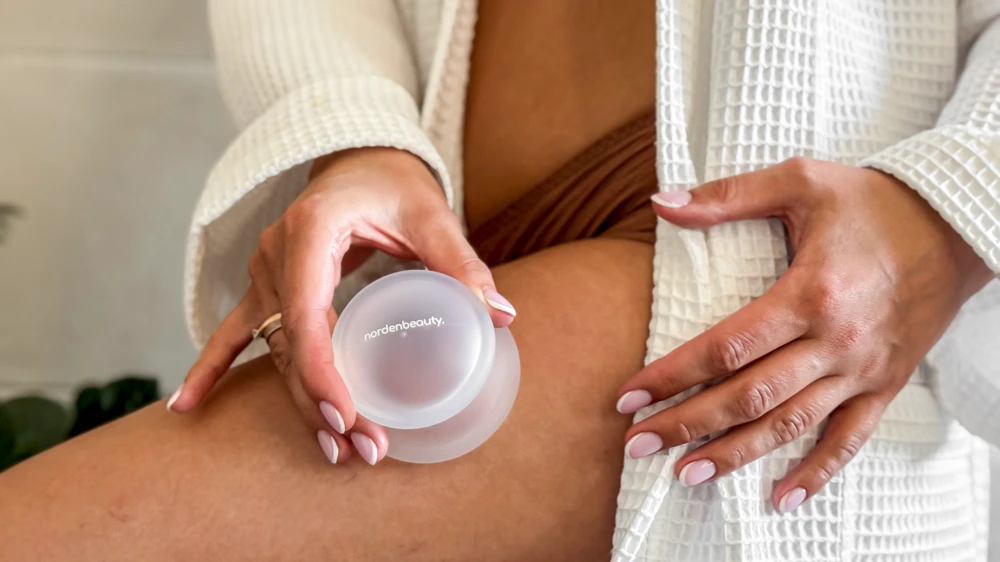
The traditional approach involves using silicone cups. You squeeze the cup, place it on oiled skin, and release to create a vacuum seal. Then, you glide it over the legs.
Pros: The Body Cupping Set is incredibly affordable, silent, and gives you total control over the pressure based on how hard you squeeze.
Cons: It can be tiring for your hands. Maintaining a consistent “glide” takes practice, and if you stop moving, you risk a “hickey” mark.
Option B: The Electric Upgrade
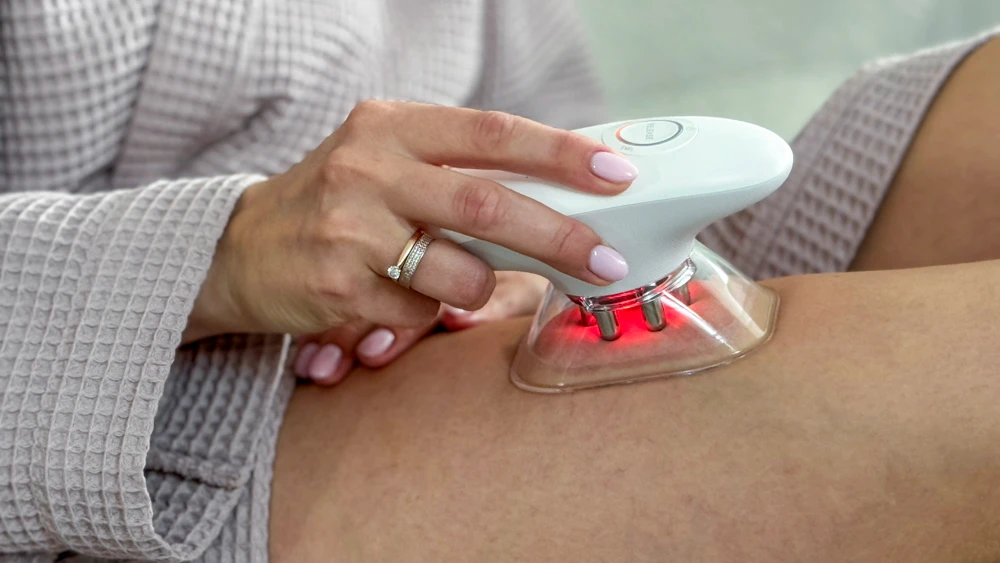
If you want the benefits of cupping and cellulite reduction without the workout, the ShapePro 3.0 is the evolution of the technique.
It uses an electric motor to generate constant suction, combined with mechanical rollers. This means you don’t just lift the skin; you actively knead it to encourage lymphatic drainage. It also includes heat, which manual cups cannot offer.
Comparison: Which Tool is For You?
| Feature | Body Cupping Set | ShapePro 3.0 |
|---|---|---|
| Mechanism | Manual Squeeze | Electric Motor |
| Effort Level | High (Hand workout) | Low (Glides automatically) |
| Additional Features | None | Heat + Rollers + Red Light |
| Best For | Budget-conscious beginners | Serious texture smoothing |
Myths vs. Facts
Myth: “Cupping must leave purple bruises to work.”
Fact: No! Bruising (ecchymosis) indicates broken capillaries or stagnation. For cellulite, we want a moving massage (gliding cupping) that turns the skin pink, not purple.
Frequently Asked Questions
Does cupping and cellulite massage hurt?
It feels like a deep pinch. It should be intense but bearable. With the ShapePro, you can lower the setting; with manual cups, you squeeze less gently.
Do I need oil?
Yes, 100%. Whether using the manual set or the ShapePro, you must use a body oil to allow the cups to glide. Without it, the suction will lock onto one spot and bruise.
How often should I cup?
For visible smoothing, aim for 2–3 sessions per week, lasting about 5–10 minutes per area.
Disclaimer: Avoid cupping over varicose veins, open wounds, or if you are on blood thinners. Consult your doctor first.