
Cellulite or lipedema – what’s the difference? A Complete Guide
Cellulite or lipedema – what’s the difference?
Understanding the nuances of skin texture and fat distribution is essential for effective self-care. Many individuals find themselves asking: cellulite or lipedema – what’s the difference? While both can affect the appearance of the legs and arms, they are distinct conditions with different underlying causes. Cellulite is primarily a cosmetic concern involving the structure of skin and fat, whereas lipedema is a chronic medical condition characterized by a symmetrical accumulation of fat. Recognizing these differences allows for better-informed choices regarding wellness routines and supportive technologies like the Nordenbeauty ShapePro 3.0.
Key Takeaways
- Cellulite is a structural skin issue; lipedema is a fat distribution disorder.
- Lipedema often involves localized pain and easy bruising, which cellulite does not.
- Wellness tools like vacuum therapy may help improve skin appearance.
- Lifestyle adjustments and targeted devices can support lymphatic drainage.
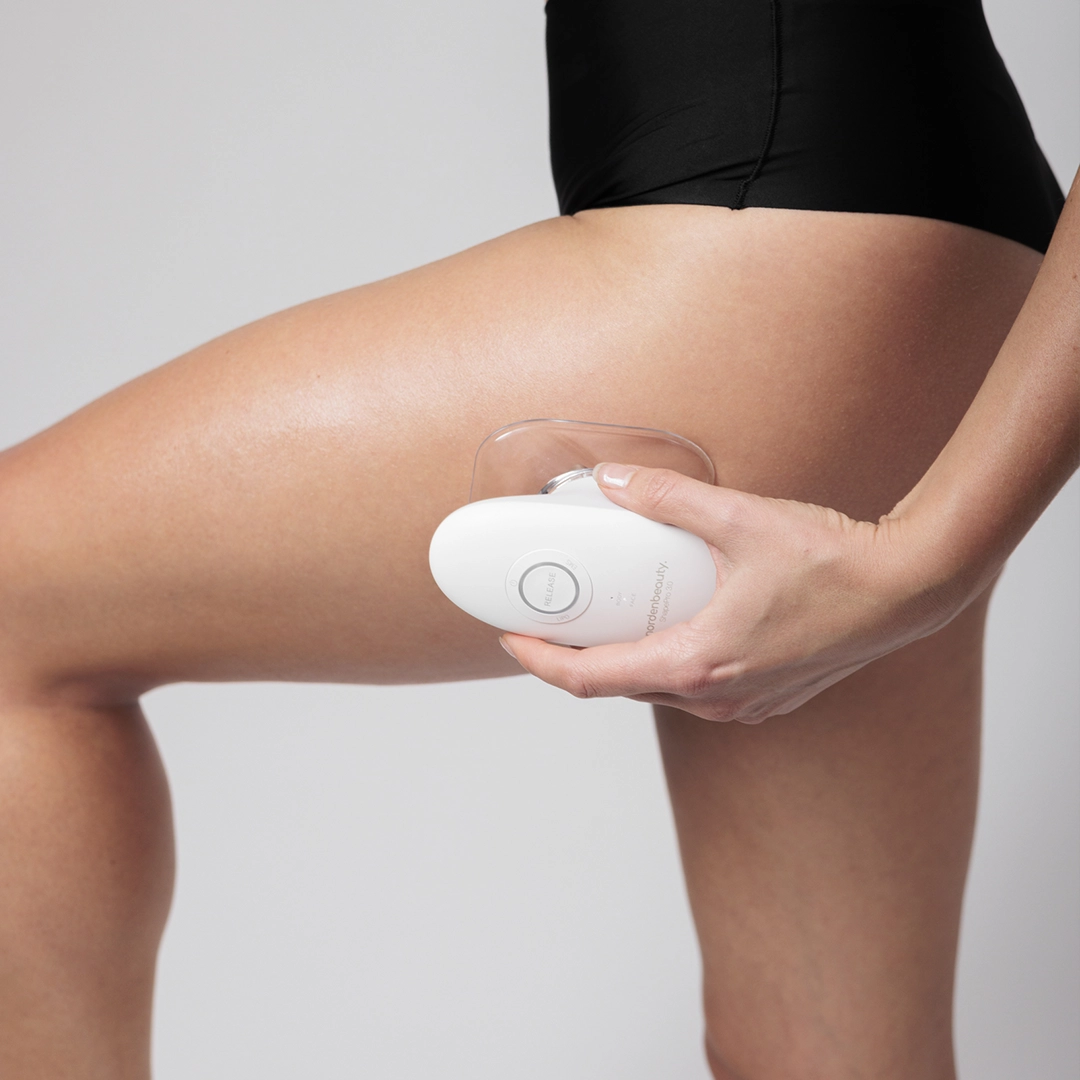
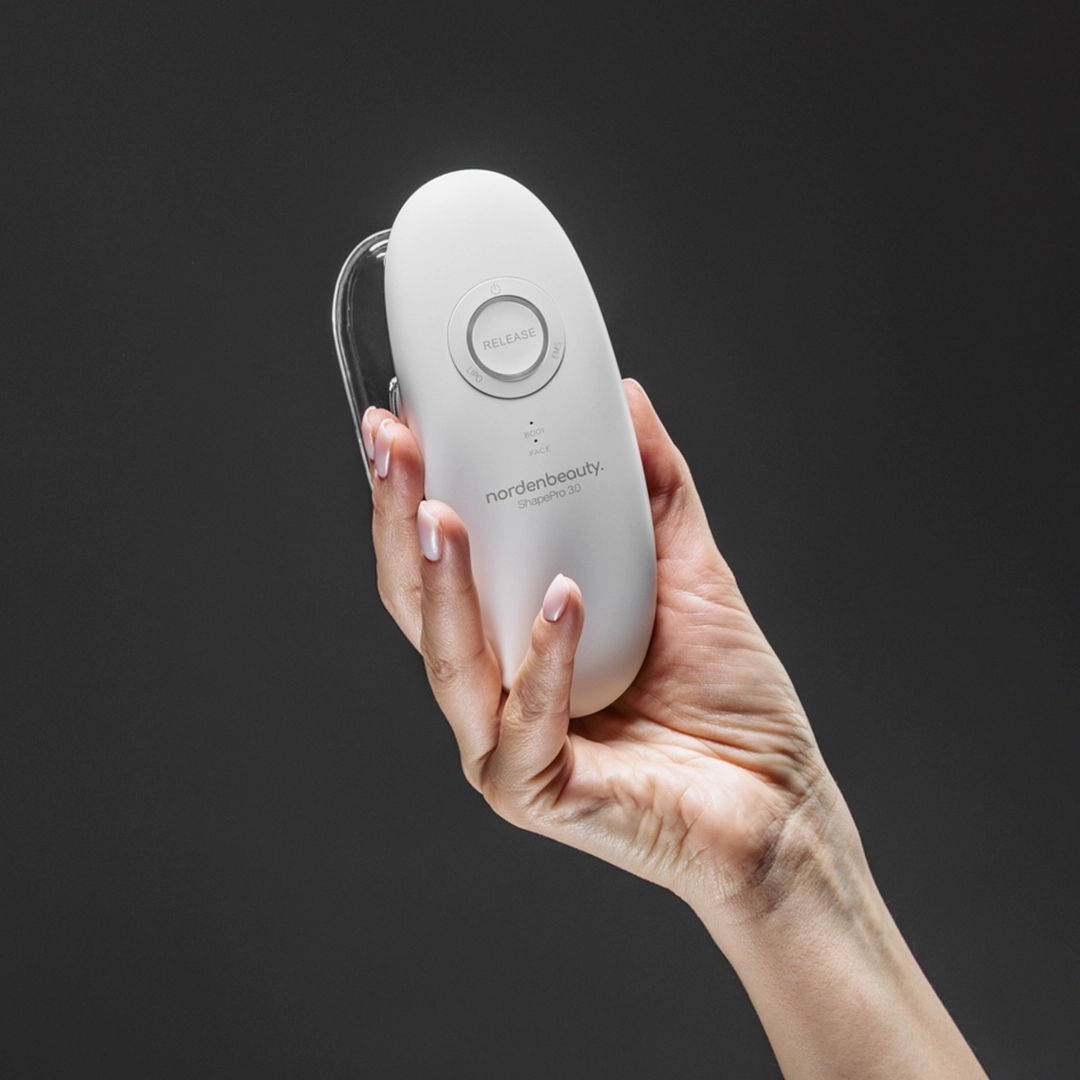
When addressing skin irregularities, the Nordenbeauty ShapePro 3.0 offers a versatile approach by combining vacuum therapy with red light technology. This can be particularly helpful for those managing the aesthetic aspects of cellulite, as it may help smooth the skin’s surface and improve overall elasticity. For those exploring more intensive options, the LipoSculpt Pro Ultrasonic Cavitation Device + RF is another choice for supporting body sculpting goals through non-invasive means.
How it works
The appearance of “dimpled” skin is often a result of how fat cells interact with connective tissue. In the case of cellulite, fat deposits push through the connective fibers (septae) beneath the skin, creating an uneven surface. In contrast, lipedema involves the proliferation of fat cells that are resistant to traditional diet and exercise. Devices like the ShapePro 3.0 work by using gentle suction and EMS to stimulate the area, which can help improve blood circulation and encourage collagen production, potentially leading to a firmer skin appearance.
How Wellness Tools Address Cellulite or lipedema – what’s the difference?
Identifying whether you are dealing with cellulite or lipedema – what’s the difference? is the first step toward a beneficial routine. For cellulite, the focus is often on skin tightening and improving the health of the dermis. Red light therapy has been studied for its potential to support cellular health and skin vitality. Learn more about the health benefits and risks of infrared therapy here. For those with lipedema, the goal is often managing symptoms and supporting lymphatic flow, where gentle warmth from an Infrared Sauna Blanket 2.0 | PREMIUM may provide a sense of relief and relaxation.
Myths vs Facts
| Myth | Fact |
|---|---|
| Only overweight people get cellulite. | Cellulite affects people of all body types and weights. |
| Lipedema can be cured by dieting. | Lipedema fat is usually resistant to standard weight loss methods. |
| Creams can permanently remove cellulite. | Topical treatments may temporarily smooth skin but don’t address the structure. |
Common Mistakes
A frequent error is attempting to “scrub away” skin texture with aggressive physical exfoliation, which can irritate the skin barrier. Another mistake is assuming that high-intensity exercise will automatically eliminate lipedema fat; while movement is vital for lymphatic health, it may not change the distribution of lipedema-affected areas. Consistent, gentle stimulation using the ShapePro 3.0 is often more effective for long-term skin maintenance than sporadic, aggressive treatments.
What to Expect
When using wellness devices, consistency is key. You may notice a gradual improvement in skin smoothness and a more toned appearance over several weeks of regular use. It is important to have realistic expectations; these tools are designed to complement a healthy lifestyle and support the skin’s natural resilience, rather than providing an overnight transformation.
When to Seek Medical Advice
If you experience significant pain, swelling that does not subside, or if the texture of your skin is accompanied by heavy bruising or a “heavy” feeling in the limbs, consult a healthcare professional. A specialist can provide a formal diagnosis to help you determine if you are managing cellulite or lipedema – what’s the difference? and suggest a clinical path if necessary.
FAQ
Does infrared therapy help with cellulite?
Evidence suggests that infrared and red light therapy may help improve skin elasticity and stimulate collagen, which can reduce the visibility of cellulite over time.
Regarding cellulite or lipedema – what’s the difference in how they feel?
Cellulite is typically painless, whereas lipedema can cause the affected areas to feel tender, sensitive to pressure, or prone to easy bruising.
Can I use the ShapePro 3.0 every day?
Most users find that using the device 3–5 times a week provides the best balance for skin recovery and visible results.
Products You Might Also Like

LipoSculpt Pro Ultrasonic Cavitation Device + RF

Disclaimer: This content is for informational purposes only and does not constitute medical advice. These products are not intended to diagnose, treat, cure, or prevent any disease. Always consult with a qualified healthcare professional before starting any new wellness routine.