ENDS MARCH 6TH

Cellulite or Lipedema? How to Spot the Difference
For many women, the struggle with lower body weight feels like an uphill battle. You diet, you exercise, and yet the legs remain heavy and textured. This often leads to a confusing diagnosis: Is it regular cellulite or lipedema?
While they may look similar at a glance, lipedema is a medical condition involving painful fat accumulation, whereas cellulite is a cosmetic structural issue. Understanding the difference is critical because the treatment path for each is very different.
Key Takeaways
- Pain Factor: Lipedema is often painful to the touch; cellulite is not.
- Symmetry: Lipedema affects both legs equally; cellulite can be random.
- Diet Resistance: Lipedema fat is notoriously resistant to calorie restriction.
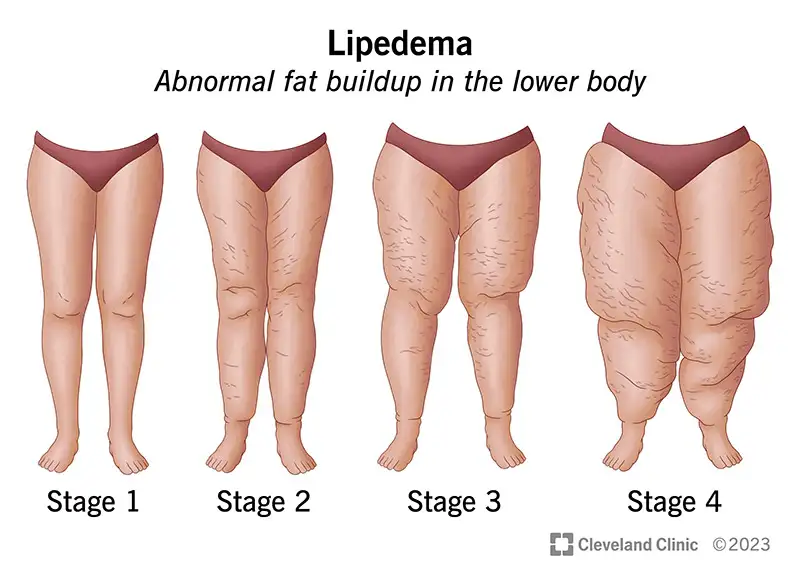
Cellulite or Lipedema: The Visual Guide
When trying to distinguish between cellulite or lipedema, look at the feet. In lipedema, the fat typically stops abruptly at the ankles, creating a “cuff” effect, while the feet remain unaffected. Cellulite, on the other hand, is simply dimpled skin that can appear anywhere fat is stored.
Lipedema legs are often described as “column-like” or heavy. The skin may feel soft and cool, but the tissue beneath feels nodular—like beans in a bag. Regular cellulite feels more like standard doughy tissue.
The “Touch Test”: Symptoms to Watch
The biggest differentiator is sensation. If your pets jump on your lap or if you bump into a table and feel disproportionate pain, this is a hallmark of lipedema. You may also bruise very easily.
While there is no “cure” for lipedema, managing the inflammation and lymphatic flow is key. Tools like the Infrared Sauna Blanket can be incredibly soothing. The deep heat helps reduce the pain signals and encourages the movement of stagnant lymph fluid without the pressure of a heavy massage.

Myths vs. Facts
Myth: “You just need to lose more weight.”
Fact: Lipedema fat is metabolically distinct. You can lose weight in your upper body while your legs remain the same size. It is not your fault.
Myth: “Massage makes it worse.”
Fact: Aggressive massage can hurt, but gentle lymphatic drainage is essential. Using a device like the ShapePro 3.0 on a low suction setting can help move fluid without causing bruising.
Signs You Might Have Lipedema
- Disproportion: You wear a significantly smaller size on top than on bottom.
- Texture: Under the skin feels like small peas or marbles (nodules).
- Bruising: You find bruises on your legs and don’t remember how you got them.
Management Strategies
If you suspect you are dealing with lipedema or stubborn cellulite, a multi-pronged approach is best:
- Compression: Wear compression garments to support the tissues.
- Anti-Inflammatory Heat: Use infrared therapy to lower systemic inflammation.
- Lymphatic Stimulation: Gentle vacuum therapy helps drain the fluid that causes the heavy, painful feeling.
Frequently Asked Questions
Can you have both cellulite and lipedema?
Yes, it is very common to have secondary cellulite on top of lipedema. The lipedema causes fluid retention, which pushes against the skin, worsening the appearance of cellulite.
Is lipedema dangerous?
If left untreated, it can progress to Lymphedema (fluid buildup). Management is crucial. Always consult a specialist for a formal diagnosis.
Does keto help lipedema?
According to research, anti-inflammatory diets like Keto may help reduce the pain and swelling associated with lipedema, though they may not remove the fat entirely.
Disclaimer: This content is for educational purposes only and does not substitute professional medical advice. For diagnosis, please visit a specialist. For more information, visit the Lipedema Foundation.