
Cavitation with Ultrasound: A Guide to Smoother Body Contours at Home
Key Takeaways
- Cavitation with ultrasound is a non-surgical method to target fat deposits.
- It works by using sound waves to liquify fat cells, which the body then flushes out naturally.
- Consistency and hydration are critical for visible smoothing and contouring.
Table of Contents
We all have those areas on our bodies that seem resistant to change, regardless of how many salads we eat or how often we walk. This is where cavitation with ultrasound has become a game-changer for women over 30. It offers a way to address body contouring concerns—like cellulite or uneven texture—without the invasiveness of surgery. But how does this technology actually translate from a clinic setting to your home?
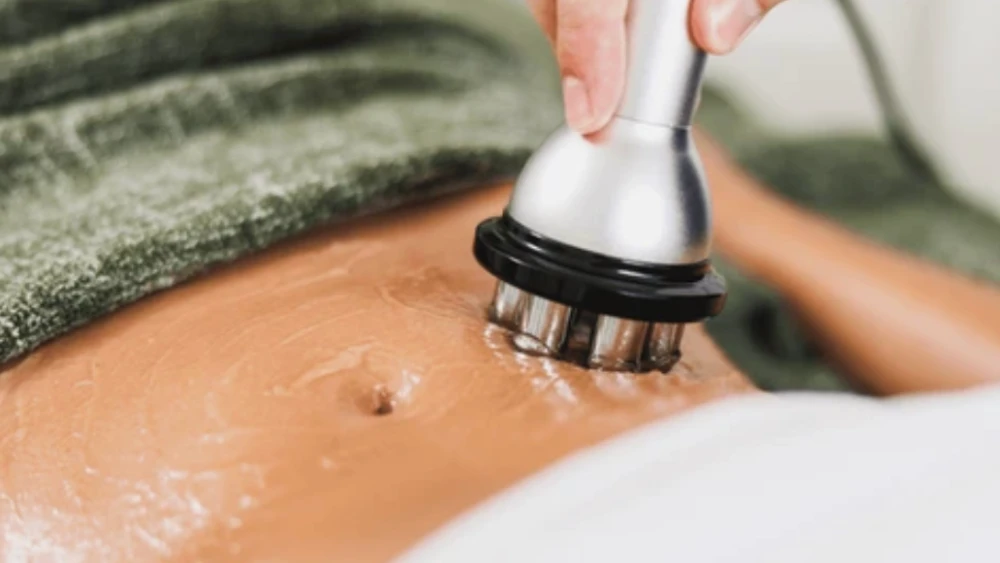
The Science: Cavitation with Ultrasound
The term might sound complex, but the concept is straightforward. Cavitation with ultrasound utilizes low-frequency sound waves to create pressure changes around fat cells. This pressure creates micro-bubbles that eventually cause the fat cell membrane to break down.
According to experts at WebMD, once these cells are disrupted, the contents are released into the body and filtered out through the lymphatic system. It is a biological process that relies on your body’s natural waste removal abilities.
Realistic Expectations
It is important to approach cavitation with ultrasound with a healthy mindset. This is not a weight-loss miracle for obesity; it is a sculpting tool. You may notice clothes fitting better around the waist or a reduction in the “orange peel” look on thighs.
The LipoSculpt Pro combines this ultrasound technology with Radio Frequency (RF), which adds heat to stimulate collagen, helping to tighten the skin as the volume decreases.
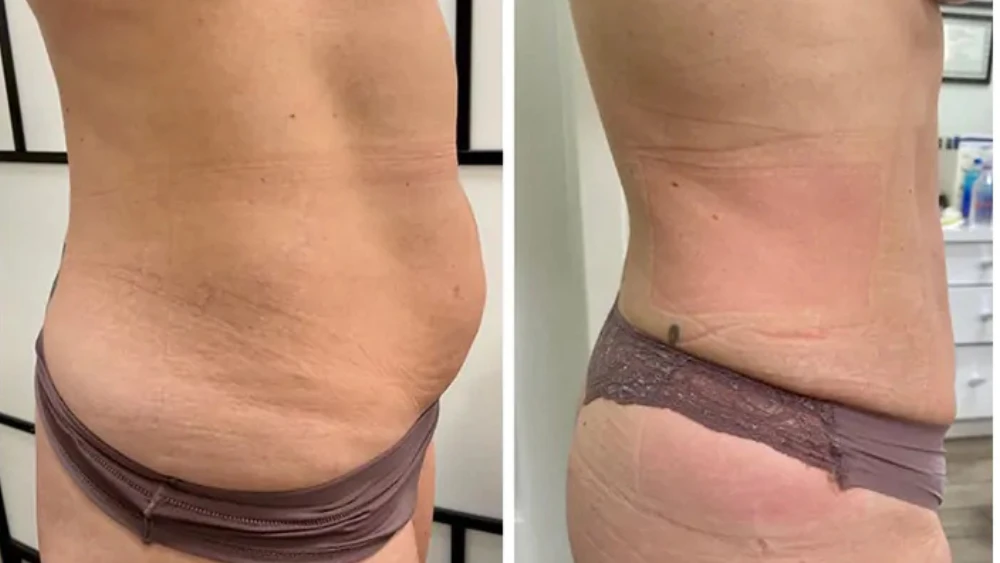
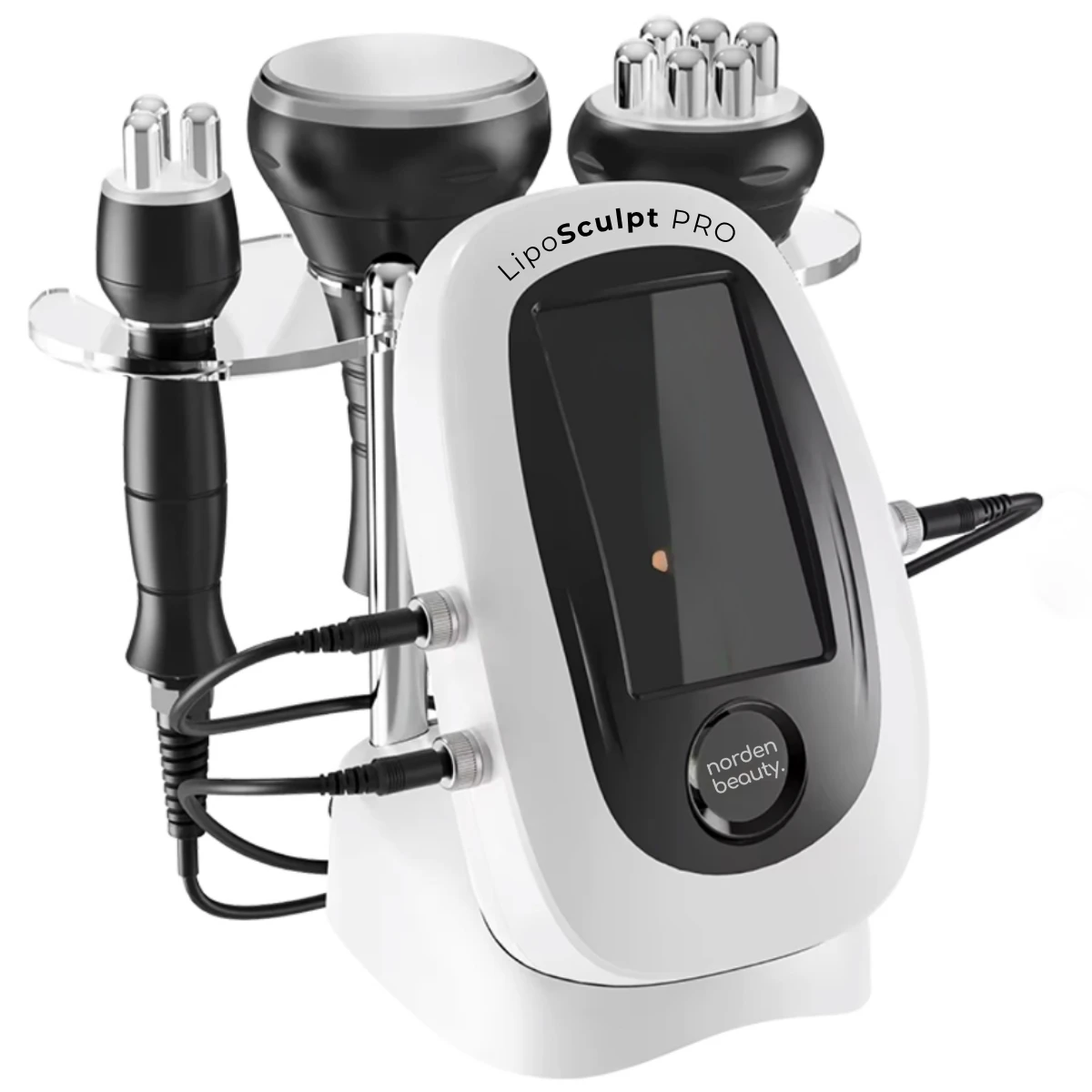
What Does a Home Device Look Like?
Modern devices are sleek, user-friendly, and safe. The device shown here is the LipoSculpt Pro. It features a specific head designed to emit the correct frequency for cavitation with ultrasound.
When choosing a machine, look for one that is ergonomic and easy to hold for 20-30 minutes. You also want a device that offers adjustable intensity levels, so you can start gently and increase power as your body adapts to the treatment.
Myths About Cavitation with Ultrasound
Cavitation with ultrasound hurts or burns the skin.
The treatment is painless. You might feel warmth or hear a ringing sound, but it should not hurt. If it burns, you likely aren’t using enough gel.
Signs this treatment is for you:
- You have stubborn pockets of fat on the abdomen, flanks, or thighs.
- You are healthy and can commit to drinking 2 liters of water daily.
- You are looking for a non-invasive solution to refine your shape.
Common Mistakes:
- Poor Hydration: Water is the vehicle that moves the fat out of your body. No water = no results.
- Impatience: Body sculpting is a marathon, not a sprint. Expect to commit to a 6-week regimen.
Frequently Asked Questions
How often can I do cavitation with ultrasound?
It is generally recommended to use the device 2 to 3 times a week on a specific area. You need to give your body at least 48 hours between sessions to process the released toxins.
Do I need special gel?
Yes, absolutely. Ultrasound waves cannot travel through air. You must use a conductive ultrasound gel to ensure the waves penetrate the skin effectively.
Is it safe for older women?
Yes, as long as you do not have specific contraindications like pacemakers, liver disease, or active cancer. It is a popular choice for women 30+, 40+, and beyond looking to maintain skin elasticity.
Ready to contour at home?
Take control of your body confidence with our professional-grade device.